Auteur/autrice : kathyneba

  • HIV, TB and Malaria: Results of Global Fund Projects Showcased at Inaugural Open Door Day

    HIV, TB and Malaria: Results of Global Fund Projects Showcased at Inaugural Open Door Day

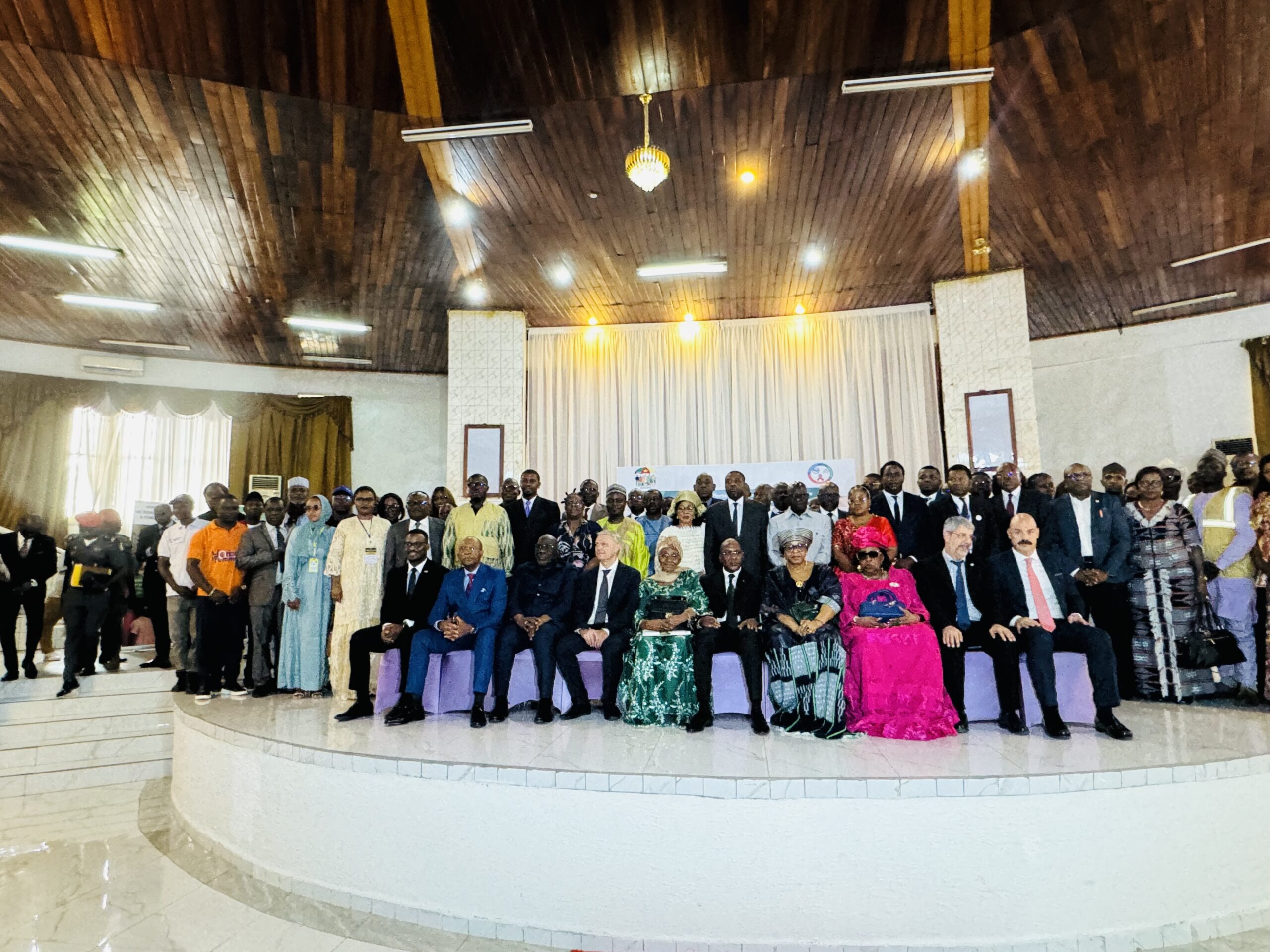
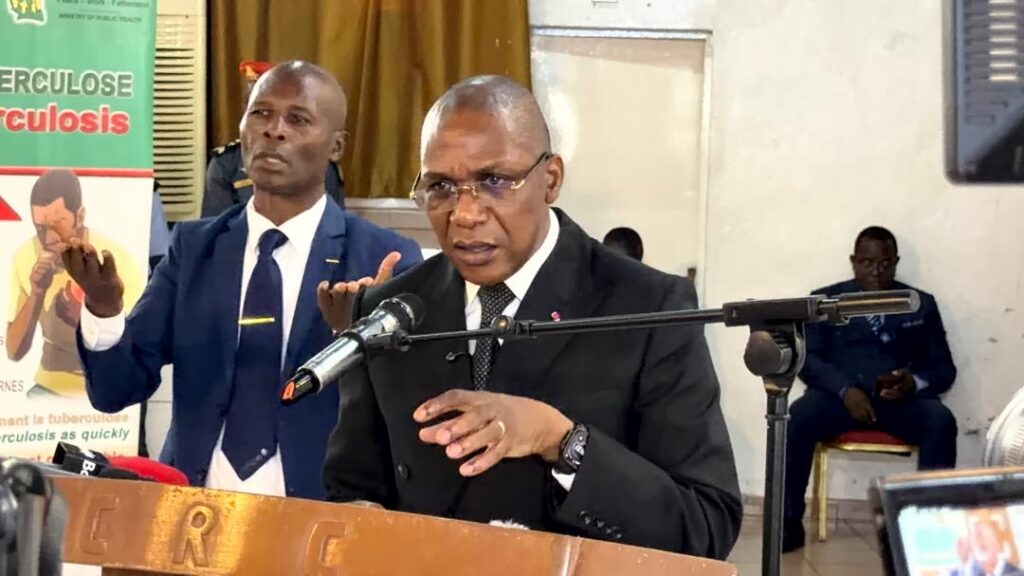
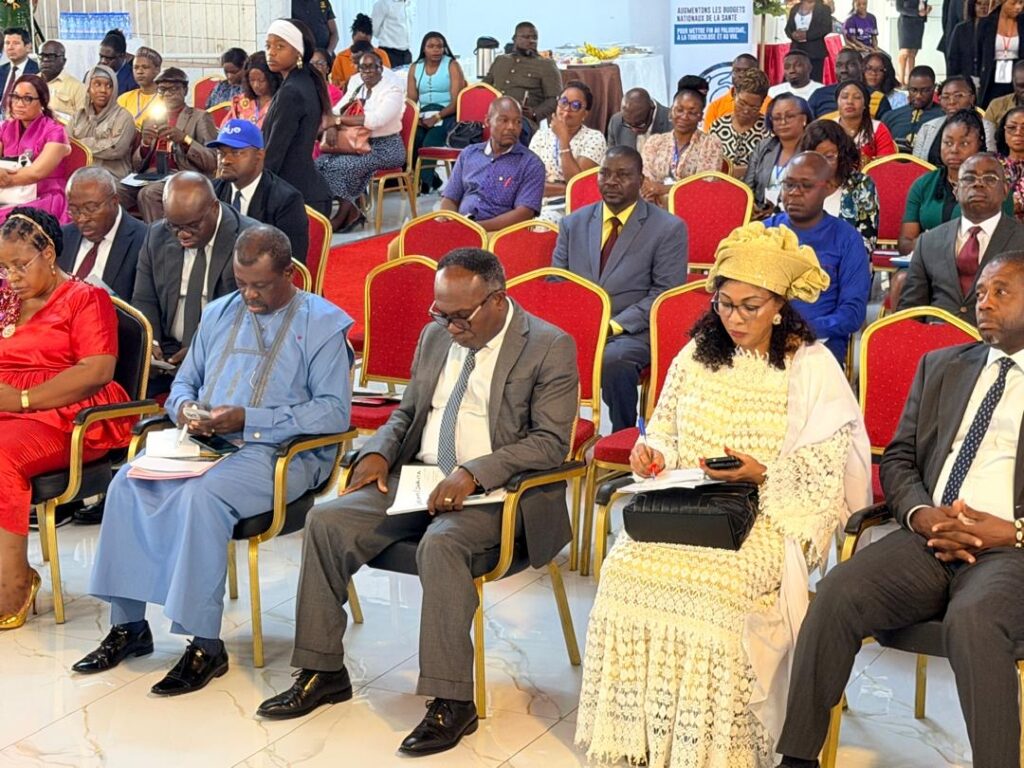
    Cameroon organized its maiden HIV, TB and malaria Open-Door Day in the capital, Yaoundé, on June 18, to showcase Global Fund-sponsored health projects in the country.

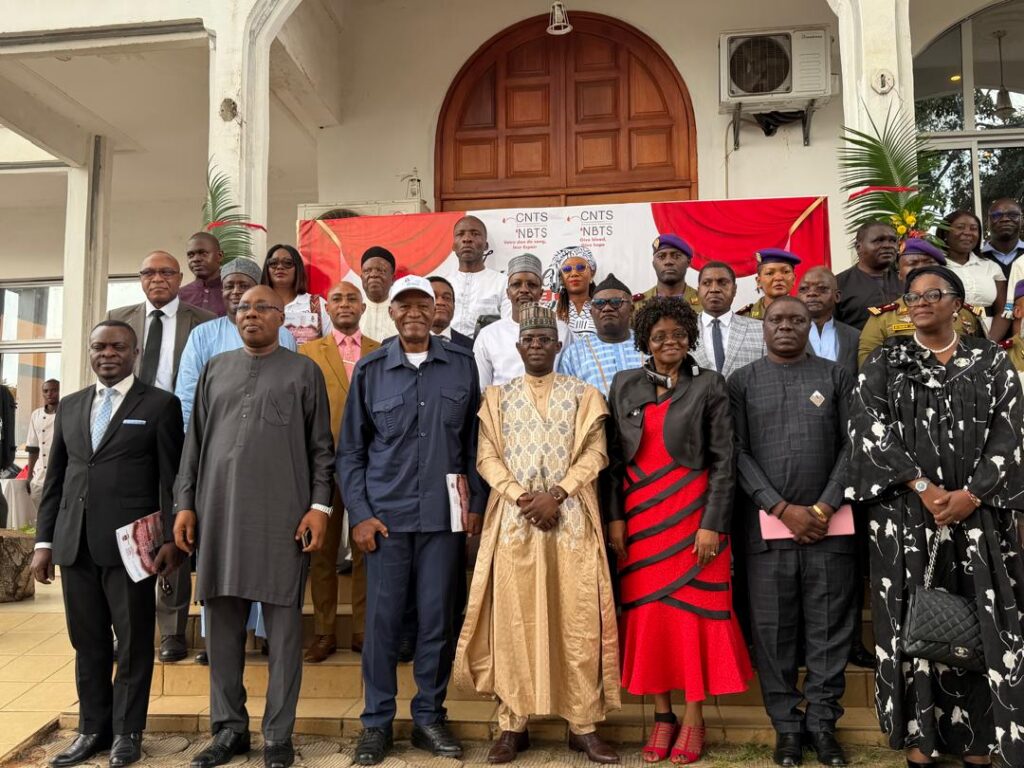
    The country’s Public Health Minister, Dr. Manaouda Malachie, representing the Prime Minister, Joseph Dion Ngute, chaired the event themed, “Performance and Accountability: The Key Results of the Global Fund’s Financing and the Expertise France Initiative against Malaria, HIV/AIDS and Tuberculosis in Cameroon.”

    “We organized this day to amplify sensitization and advocacy. We want to get everyone involved. It will no longer be a single actor fighting against these diseases, but the entire national and international community. We are calling on communities, parliamentarians, institutions, and the private and public sectors to mobilize to fight these diseases.”

    As external funding dwindles, the government of Cameroon is exploring other funding alternatives to continue the HIV/TB and malaria elimination agenda.

    Government members, health organizations, civil society organizations and community health organizations turned up for the event to commend the Global Fund’s over 15 years commitment to saving lives in the country.

    HIV, TB and Malaria Prevalence

    According to the 2024 Population-Based HIV Impact Assessment (CamPHIA) 2024/2025 report, 509,766 people in Cameroon are HIV positive. This figure represents a 2.6% prevalence rate.

    The National Malaria Control Programme(NMCP) recorded 2,943,674 malaria cases in 2025, alongside 1,261 deaths, 909 of them children under five. Malaria remains a public health concern in the country, and Cameroon is the 11th country most affected by the disease worldwide.

    Tuberculosis data shows that 38,472 cases, about 132 infections per 100,000 people, were recorded in the country in 2024. The mortality rate linked to TB is 17 per 100,000 people.

    Spin-Offs of the Global Fund’s Grants in Cameroon

    The Global Fund began financing public health programmes to combat HIV, TB and malaria in Cameroon in December 2004. Since then, the international health organization has remained committed to strengthening the health system, helping vulnerable populations and partnering with community leaders to address health problems.

    Saving lives and preventing infections in Cameroon has costed the Global Fund an estimated 750 billions FCFA for HIV, TB and malaria control . This amount is stratified as follows: HIV/AIDS, 418 billion FCFA; tuberculosis, 42 billion FCFA; HIV/TB co-infection, 39 billion FCFA; and malaria, 270 billion FCFA.

    According to the Ministry of Public Health, this investment has enabled the procurement of antiretroviral drugs for about 450,000 persons with living with HIV, provided treatment for close to 30,000 TB patients, and facilitated the distribution of insecticide-treated bed nets (ITNs) distributed to about 890,000 homes.

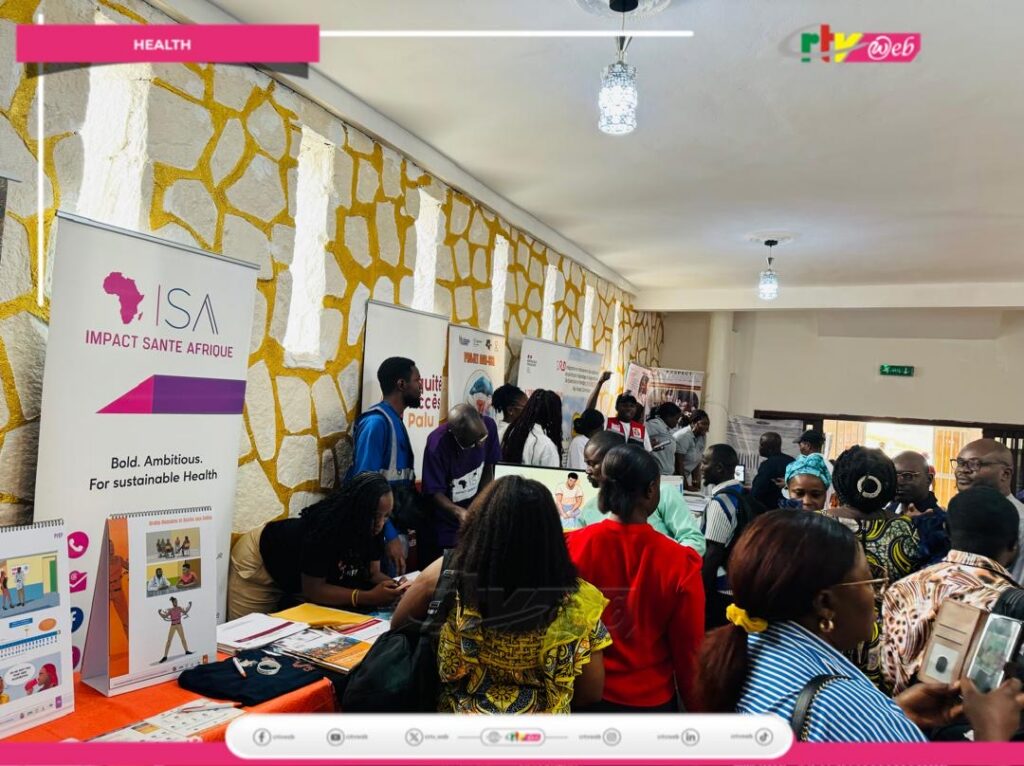
    In addition to this are related projects sponsored by « Expertise France », particularly “Equité Access Palu,” carried out by Impact Santé Afrique, the secretariat for the Global Fund Advocates Network (GFAN) and the Civil Society for Malaria Elimination (CS4ME). The “Equité Access Palu,” is aimed at streamlining inequalities in access to malaria prevention and treatment, especially in vulnerable communities.

    “We were able to distribute mosquito nets to orphanages in Cameroon, empower community leaders to eliminate malaria, and break gender barriers regarding the fight against malaria,” Amélie Claire MedjouKeng, gender expert at Impact Santé Afrique, told CRTV Web.

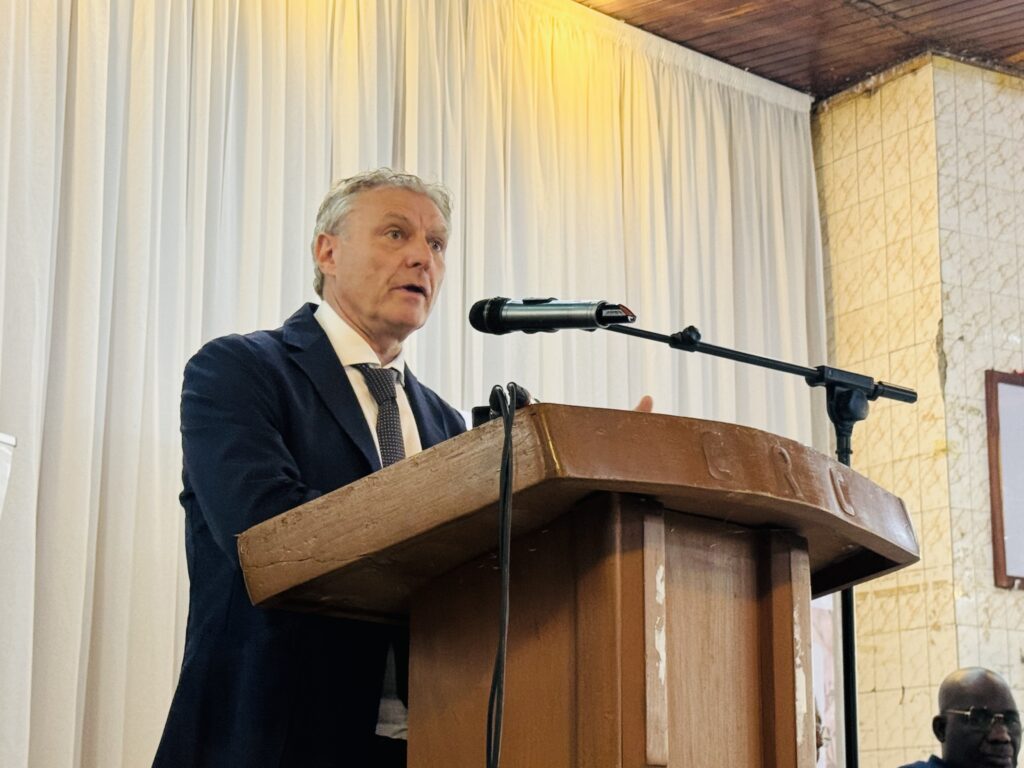
    Another key actor of the national response to HIV, TB and malaria is Expertise France. Expertise France has been instrumental in strengthening health systems and fighting HIV/AIDS, tuberculosis (TB), and malaria in Cameroon. The regional health adviser at Expertise France, Prof. Christophe Vanhecke, presented a report on his country’s investment in health projects in Cameroon during the inaugural HIV, TB and malaria Open-Door Day in Yaoundé. He stated that Expertise France remains dedicated to financing ongoing health infrastructure and projects in Cameroon. »

    “France is the second historic partner of the Global Fund and spent over 1.6 billion euros for the 7th Global Fund cycle . The current international context no longer permits such investments to be made. France has made a commitment of 660million euros for the 8th replenishment of the Global Fund, and we are still among the big sponsors,” Prof. Christophe Vanhecke, regional health adviser at « Expertise France », said.

    The Global Fund to Fight AIDS, Tuberculosis and Malaria remains one of the principal donors to Cameroon’s national response . For the current funding cycle, the Fund has allocated about 205,149,000 euros, approximately 134 billion FCFA to the country’s national programme.

    Kathy Neba Sina

  • World Blood Donor Day : Cameroon Throws Flowers at 50-Times Donor

    World Blood Donor Day : Cameroon Throws Flowers at 50-Times Donor

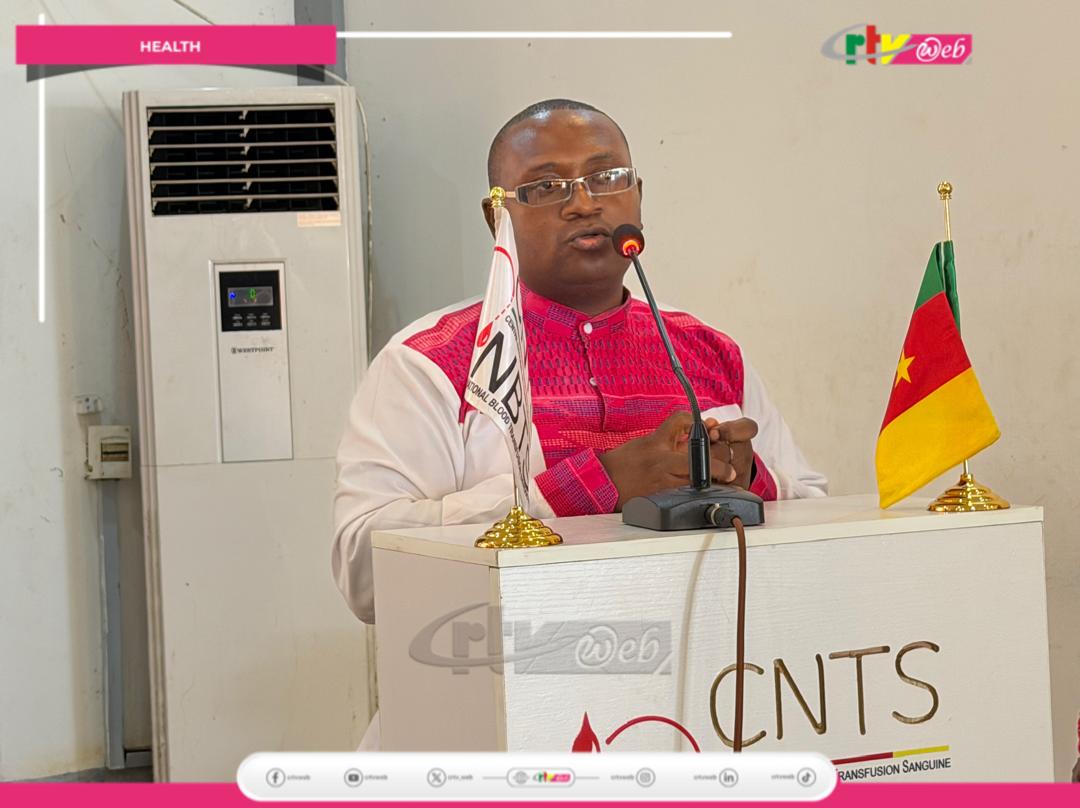
    Thirty -Six year old Kombou Tchapnda Ferdinand Martial, had a life time worth of praises showered on him at the World Blood Donor Day event in Yaoundé-Cameroon, on June 14, organized by the National Blood Transfusion Service (NBTS).

    The Gold Donor made his first blood donation at 17, a high student at the Government Bilingual High School Etoug Ebe, about 19 years back. That initial act would become a lifetime commitment to saving lives and supporting health systems via blood donation.

    Over the years, Kombou Tchapnda has stayed faithful to this course, churning out over 22.000 milliliters of blood to save the lives of children suffering from anemia, accident victims, cancer patients, pregnant women and other persons, often in need of blood transfusion.

    Helping a Stranger

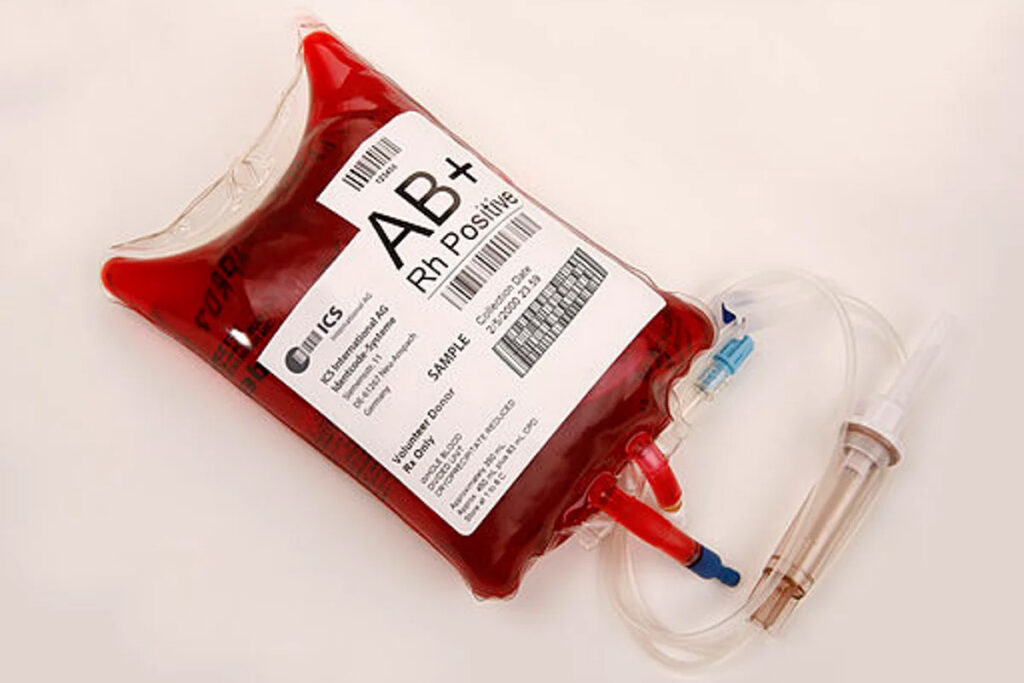
    Blood donation is still a far-fetched practice for a vast majority of Cameroonians. People are often quick to donate blood when a close relative is in need, than for the common good. This is why blood donation in the country is scaling rather slowly. According to the National Blood Transfusion Service(NBTS), barely 187,224 pints of blood were collected in 2025, representing 47% of the country’s blood needs. This leaves blood demands from hospitals superior to an insufficient supply of blood .

    The avid blood donor understood this reality too soon, and embarked on a mission to reverse the trend of blood shortages. Kombou Tchapnda says he wanted to donate blood for just anyone in need regardless of their personality or family history.

    « I became a blood donor because I wanted to help end family blood donor replacement. I didn’t just want to give blood to someone I knew, but to someone I did not know, » he told CRTV Web.

    After crossing the 50 blood donation threshold, the humanity hero says he has lost count of how many blood donations he has made. His main goal now is raising awareness about the ever-present need for blood donations.

     » I stopped keeping score on how many times I have donated blood. What is important to me now is fighting the mindset that blood is sold in hospitals. There are many things people need to understand. »

    « Blood is not Sold »

    The growing reticence around blood donation in Cameroon is fueled by one of the most preoccupying beliefs that blood is sold in hospitals.

    Hospitals often require two replacement donors, and charge a fee of about 50,000FCFA per pint of blood often from the blood bank. Health experts say one of the replacement donors could be disqualified because of health conditions, while the 50,000FCFA covers operational and biological procedures for the blood collected.

    « We don’t find blood in pharmacies, so it is not sold. Blood banks are filled with donations from people. We can all donate blood once in three months for men and once in four months for women, he said.

    On World Blood Donor Day, he makes a clarion call for everyone to take a commitment to regularly donate blood in order to prevent the loads of problems that come with blood shortages in hospitals.

    He says the operational and biological costs for a pint of blood costs almost a 100,000FCFA, and what the patient pays is only a contribution to the subsidization costs the government is shouldering.

    The 50-times blood donor was among voluntary non-remunerated blood donors in #Cameroon honored on World Blood Day at a ceremony in Yaoundé. In attendance was the Director of Pharmacy, Drugs and Laboratories, Yaba Dana Basil, representing the Minister of Public Health, and Dr. Douba, representing the World Health Organization .

    Kathy Neba Sina

  • World Blood Donor Day : Harmonization of Blood Collection System Among Major Reforms

    Harmonizing the Blood collection system is one of the major reforms the National Blood Transfusion Service is embarking on to address blood collection problems in Cameroon.

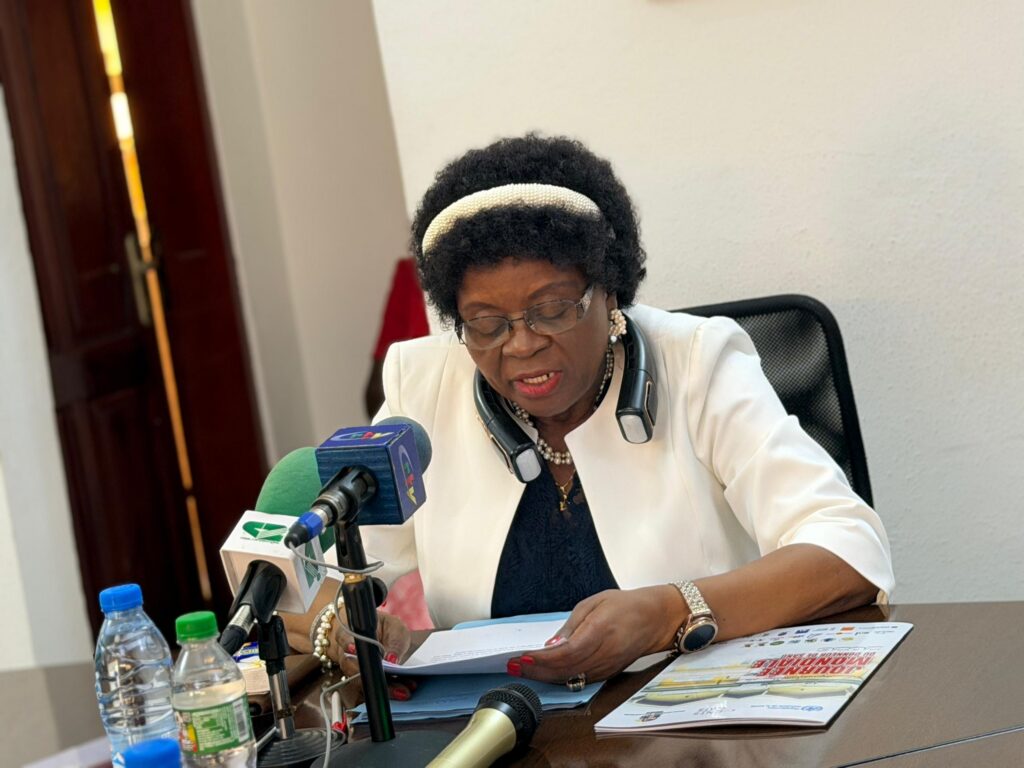
    The General Manager of the NBTS, Prof. Dora Mbanya disclosed the information to media professionals on June 1, while chairing the press briefing in prelude to the annual observance slated for June 14 across the globe. 

    Representatives of blood donor associations, civil society organizations, other partners and media professionals were among those to whom the reforms in blood collection were rolled out. 

    The 2026 World Blood Donor Day will hold in Cameroon on the theme « One Drop of Humanity. Give Blood. Save Lives. »

    Highlighting the importance of this year’s  theme, the NTBS General Manager said

    « It is a simple, but profound reality: blood donation is far more than a medical act. It’s an act of humanity. It’s an expression of solidarity between citizens who may never meet, but whose lives become connected through a single gesture, » Prof Mbanya said. 

    En route to a Robust Blood Collection System 

    One of the major reforms being implemented by the NBTS to fulfill its mission of ensuring quality blood is available and accessible in Cameroon is the harmonization of the blood collection system. This is being implemented to improve visibility of available blood resources across the country, anticipate shortages and respond promptly. 

    Cameroon  requires 400,000 pints of blood annually, but currently meets only 47%, representing less than half of its annual blood needs. This has resulted in a recurrent shortage which is fueled by persistent challenges including insufficient national coverage of blood needs, low levels of voluntary unpaid blood donation, regional disparity in access to blood products, limited specialized human resources, and aging equipment and infrastructure in several blood banks . 

    To change the tides in the blood collection outcomes  in Cameroon, the NBTS is banking on two recently completed strategic documents ; the National Policy on Blood Transfusion and a Strategic Plan of the National Blood Transfusion Service for 2026-2030. 

    Added to this is the groundwork for a modern data system and a more structured approach to community mobilization, currently being laid down thanks to the Project to Support the Deployment of the National Blood Transfusion Service of Cameroon (PADOC),  funded by Expertise France and  launched on July 11, 2025. 

    « These documents provide a coherent framework for the development of the sector and define the vision, priorities and actions required to ensure universal access to blood products, » Prof. Mbanya said.

    According to the General Manager of the NBTS, the PADOC project has already ushered in significant progress in training, digitalization, governance and strengthening hospital blood banks. Less than one year after its launch, 660 health professionals have been enrolled in training programs, over 330 successfully trained and 14 blood banks equipped with blood collection equipment. 

    The NTBS  will step up efforts to raise awareness about the urgent need for regular blood donation to ensure access to patients in need during commemorative activities for the World Blood Donor Day. The structure has set out a national plan to  raise awareness among at least 1million people, collect at least 4000 pints of blood, recruit at least 2000 new donors and mobilize 3,500 people for awareness walks , estimated to cost close to 270 millionFCFA. 

    Commemorative activities of the  2026 World Blood Donor Day include a fitness walk on June 6, a webinar dedicated to discussing challenges affecting blood donation in Cameroon, blood donation  and awareness campaigns across the country, and a round table to identify strategies to  spur young people to voluntary donate blood. 

    Kathy Neba Sina 

  • Fact Check: No Scientific Evidence That Veldt Grape Roots Cure Epilepsy, Experts Warn

    Fact Check: No Scientific Evidence That Veldt Grape Roots Cure Epilepsy, Experts Warn


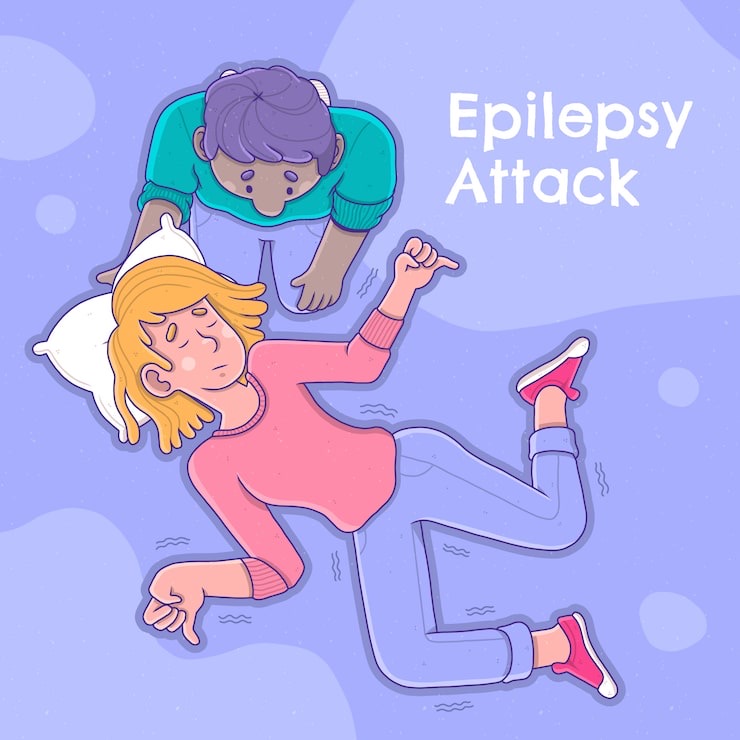
    Epilepsy, a chronic neurological disorder affecting an estimated 50 million people worldwide, requires specialized and evidence-based treatment, typically involving anti-seizure medications or, in some cases, surgery.

    According to global health experts, proper diagnosis and long-term medical follow-up are essential for managing the condition effectively.

    However, misleading medical claims have recently gained traction online, suggesting that the roots of veldt grape, scientifically known as Cissus quadrangularis can treat epilepsy. One such claims, circulating widely on social media, has raised concerns among medical professionals. (see more)
     
    Experts Dismiss Viral Claims 

    The CRTV Factchecking Team started verifying these claims, shared on Facebook and other social media platforms.
    We consulted medical experts including a Neurologist who said the claims are not backed by scientific evidence.

    Dr. Leonard Ngarka, neurologist, explains that while some laboratory research has shown potential anticonvulsant properties of Cissus quadrangularis in animal models, this does not translate to proven treatment for humans.

    “Cissus quadrangularis has been shown to have anti-seizure properties especially in rats, but scientifically it has not been proven that it can treat epilepsy in humans. As a neurologist, I advise the population to be cautious about using the roots of this plant for epilepsy, and instead consult a medical doctor for proper follow-up,” he said.
     
    Why the Confusion Persists: Our Findings

    The misconception may stem from the plant’s long-standing use in traditional medicine. Cissus quadrangularis has been widely used for bone healing and other ailments, and some experimental studies in animals have explored its neurological properties.

    According to Dr. Ngarka and other experts, such preliminary findings often spark public interest, but fall far short of the rigorous clinical testing required for approval in modern medicine. He says for any plant-based remedy to be considered safe and effective for human use, it must undergo years of controlled studies to evaluate both its benefits and potential side effects.

    When a substance is part of traditional African pharmacopeia, its integration into conventional medical practice depends on extensive scientific validation.
     
    What Patients Should Do

    Health professionals stress that individuals living with epilepsy—or those seeking treatment for loved ones—should rely on qualified neurologists and evidence-based care.

    At present, there is no clinical or medical proof that the roots of Cissus quadrangularis can treat epilepsy in humans.
    Relying on unverified remedies may delay proper treatment and increase the risk of complications.
     
     
    Natacha Lehman Mbachi

  • Pope Leo XIV Visits Cameroon : Pontiff Advocates for Lasting Peace

    Pope Leo XIV Visits Cameroon : Pontiff Advocates for Lasting Peace

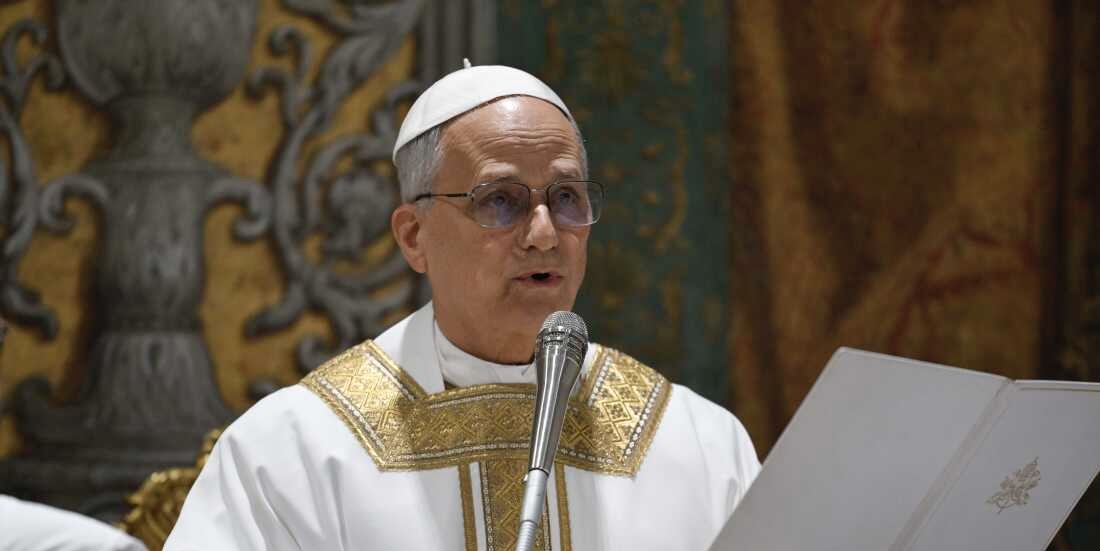
    Pope Leo XIV’s has made a strong case lasting peace in Cameroon, as he embarks on an apostolic visit holding from April 15-18, 2026.

    The Pope made the declaration while speaking at the Presidency of the Republic of Cameroon, shortly after arriving the country.

    Religious and political party leaders, the diplomatic corps, administrative authorities, civil society representatives and other personalities massively turned out for he first contact-session with the Holy Father.

    « The world thirsts for peace. Enough of wars, with their painful toll of death, destruction and exile.This cry is meant as a call to commit to authentic peace, placing it above all partisan interests, » Pope Leo said.

    The Pope empathized that peace will be an antidote to violence if it « takes shape in a personal and institutional way of life, rather than being reduced to a slogan. »

    His speech came after that of President Biya, concurred with the Pope’s yearning for a peaceful Cameroon, and addressed global issues affecting countries beyond the Cameroon’s borders.

     » Your visit comes at a time when countries are experiencing growing economic difficulties,increased misery, and worry tearing hearts apart. The message of peace and comfort which you bear, resonates with a particular feeling in our hearts. This message awakens a feeling of humanity in us……… it’s a feeling of hope, » President Biya said.

    The Head of State added that Cameroon, like other countries is looking forward to a world where « the voice peace will replace the voice of arms, a world where immense resources consecrated to weapons will be used to promote wellbeing of people, » he stated.

    A Clarion Call for Peace

    The Holy Father’s visit marks a significant moment for the country which has been actively pursuing lasting peace despite looming sociopolitical hindrances.

    Pope Leo’s call for peace and social justice ties with the desires of most Cameroonians who say they expect his visit will crown peace-building efforts undertaken by the government with success.

    Most of them consisting of Christians, students from Catholic institutions, ordinary Cameroonians, and even Muslims, turned out in their numbers on April 15 to welcome the Pope who is on an Apostolic visit to the country.

    Major streets and junctions in Cameroon’s capital Yaounde were crowded with people, clad in various outfits representing church groups, or patriotic groups, and all having one goal, welcome the Pope.

    Children, Men and women from all walks of life chanted songs composed in honor of Pope Leo, contemporary songs, and danced to familiar religious choruses as they awaited his arrival.

    Among them was Crescentia Dingah,
    Public Relations Officer of the Yaoundé Metropolitan Diocese. She expressed the desire to see the Pope’s visit significantly contribute to bringing lasting peace in the country, especially in the English speaking regions of the country.

     » We have crisis in most areas. Spiritually people are very worried. We have inflation, and joblessness most especially. We are hoping that the Pope’s arrival will bring sustainable peace and we will move ahead, » she said.

    As the calls for sustainable peace continue to resonate across the country, the Pope will visit Bamenda and Douala where Cameroonians hope he will continue advocating for peace.

    Kathy Neba Sina