Ils occupent des postes de représentation nationale auprès de cette institution dont le secrétariat technique permanent est composé de fonctionnaires internationaux.
De ce fait, le Cameroun occupe une place active au sein de l’Organisation Mondiale du Commerce (OMC). Ses principaux acteurs et représentants sont :
-Salomon Eheth : Ambassadeur et représentant permanent du Cameroun auprès de l’Office des Nations Unies à Genève. Il préside le Groupe de travail de l’OMC sur le Commerce et le Transfert de Technologies (WGTTT) depuis le 16 juillet 2025.
-Luc Magloire Mbarga Atangana : Ministre du Commerce, acteur clé dans les négociations sur l’agriculture et le développement.
-Thomas Ndongo Onana : Premier secrétaire à la Mission permanente du Cameroun à Genève.
-Georges Stéphane Etoh : Membre de la Mission permanente du Cameroun à Genève.
Rôle stratégique du Cameroun à l’OMC
Aussi, le Cameroun se distingue-t-il par le leadership politique et technique de ses diplomates dans les négociations.
-Présidence de comités : Salomon Eheth assure un leadership sur les questions de transfert de technologies, un enjeu crucial pour le développement.
-Diplomatie commerciale : La mission camerounaise à Genève défend activement les intérêts du pays, notamment sur le commerce électronique et le développement.
-Hôte de la CM14 : Le Cameroun se positionne comme un leader africain en organisant la 14ème Conférence Ministérielle de l’OMC en 2026, un événement crucial pour la réforme du commerce mondial.
Notons que L’Organisation mondiale du commerce (OMC) est la seule organisation internationale à vocation mondiale, qui s’occupe des règles régissant le commerce entre les pays.
La grand messe de l’Organisation mondiale du Commerce s’est refermée ce 29 mars 2026 avec des avancées enregistrées malgré des secteurs qui connaissent encore quelques blocages.
C’était à l’issue de quatre jours de travaux intenses qui se sont déroulés du 26 au 29 mars au palais des Congrès de Yaoundé. Y ont pris part, plus de 4 000 délégués issus de 166 pays membres dont le Cameroun avec le ministre du Commerce, Luc Magloire Mbarga Atangana, président de cette 14e Conférence ministérielle de l’OMC et avec la présence remarquée de la Directrice générale de l’Organisation, Ngozi Okonjo-Iweala.
Premières conclusions
Ces acteurs ont donc été mobilisés pour discuter des points aussi stratégiques que : l’agriculture et la sécurité alimentaire, l’accès des pays les moins avancés aux technologies numériques et la protection des secteurs vitaux pour les économies africaines.
C’est dans ce sens que l’on retiendra notamment la déclaration de la Directrice générale pour qui le nouveau paquet de Yaoundé que les membres ramèneraient à Genève comprend les éléments suivants:
-Le projet de Déclaration Ministérielle de Yaoundé sur la Réforme et le Plan de travail de l’OMC;
-Le projet de Décision ministérielle sur le Commerce électronique;
-Le projet de Décision ministérielle sur le Moratoire sur les Plaintes de Non-violation et de situation de l’Accord sur les ADPIC;
La finalisation de cet ensemble de mesures « constituerait une réalisation considérable », selon la Directrice générale qui déclare : « Nous ne devrions pas le laisser sur la table. »
A la fin de la conférence, les ministres ont pris l’engagement de poursuivre les travaux à Genève sur les principales questions en suspens.
“Whether you are young or old, go for check-ups. Know your status. The earlier you know, the better. Don’t joke with your health.”
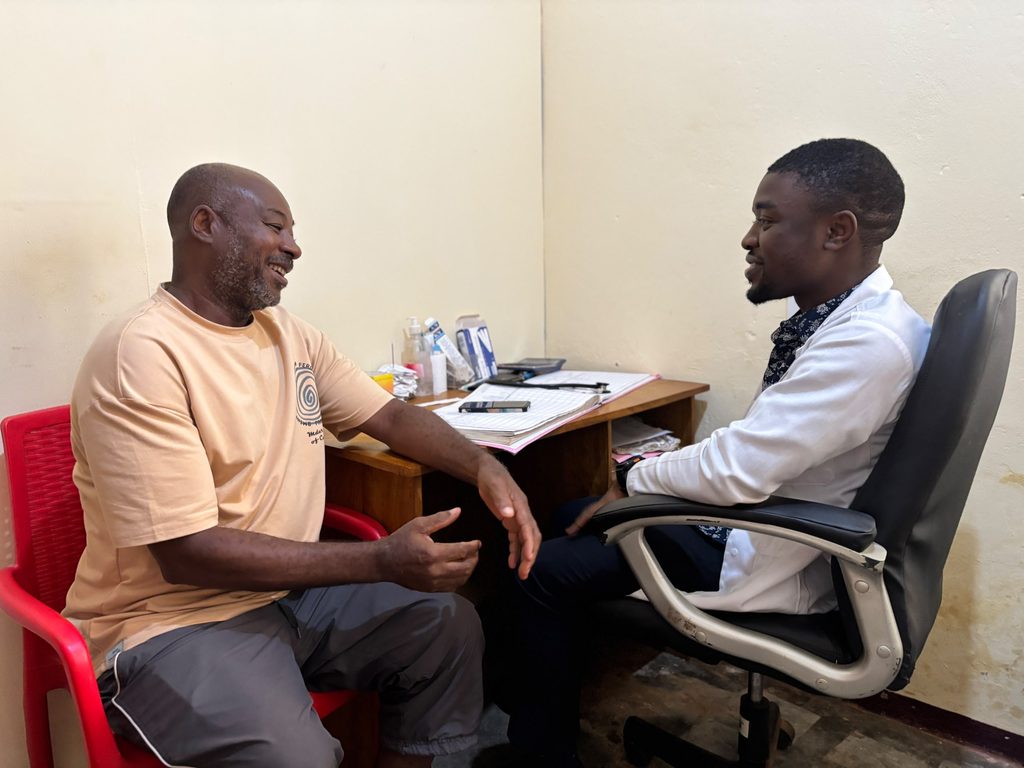
It was a bright Friday morning at the Etoug-Ebe Baptist Hospital in Yaounde. The corridors buzzed quietly with footsteps and murmurs as patients waited their turn for consultations. In one of the consulting rooms, Dr. Ngole Neri was attending to people living with diabetes. Some came for routine check-ups, others for urgent advice.
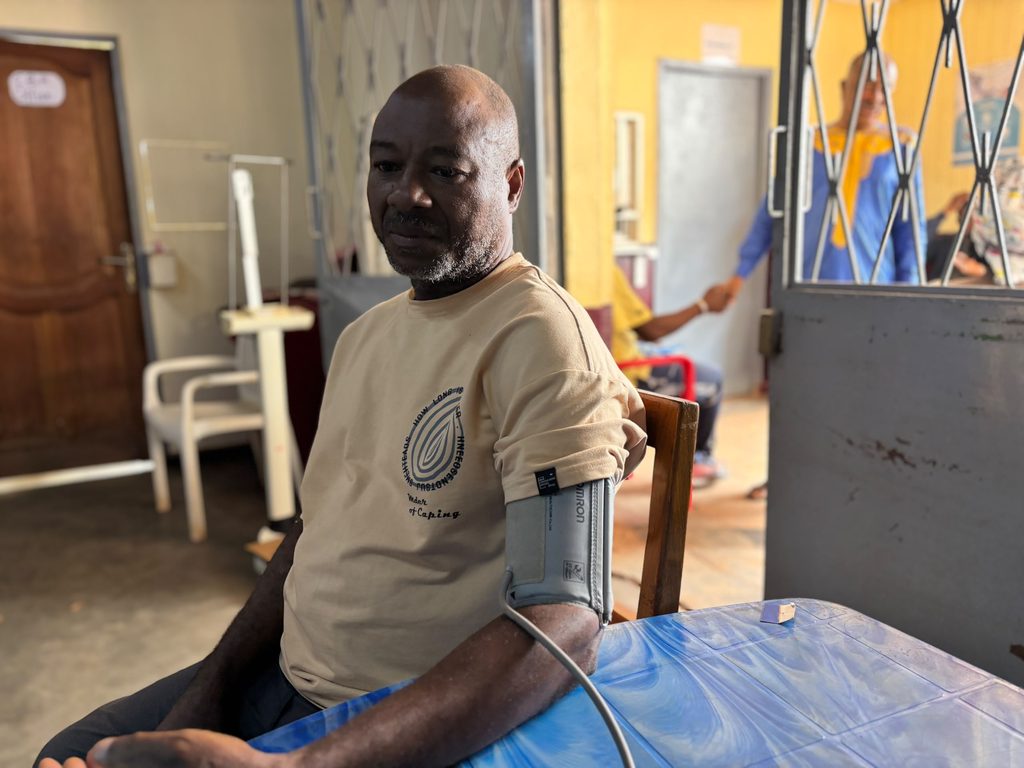
That is where I met Mbangoko Barnabas Amengwoh, a 60-year-old businessman, husband, and father of six – who had come in for his follow-up. He looked calm, but as he spoke, I could sense the weight of his journey.
“I was unconscious the day I discovered I had diabetes. My sugar level was 368. I woke up to doctors explaining I had type 2 diabetes.”
For more than ten years, Barnabas had already been managing hypertension. Diabetes came as a second blow – one that forced him to rethink everything about his lifestyle.
Diabetes in Cameroon: A Growing Silent Epidemic
Like many people, Barbabas had ignored the subtle signs: constant thirst, frequent urination, high temperatures, weakness, even sexual dysfunction. “I thought it was just stress and age,” he admitted.
But his body had been trying to whisper a warning all along. Unfortunately, he only listened when it shouted.
Dr. Neri explains this is all too common.
“Diabetes is a growing health concern in Cameroon. Between 6–9% of adults aged 20–79 live with it. To simplify, that’s about 2 out of every 30 adults. And if nothing is done to address the risk factors, this number could double this 2025.” He revealed.Even more alarming is the connection between diabetes and hypertension in Cameroon.
“Diabetes is closely linked with hypertension. More than 50% of people living with type 2 diabetes also have hypertension, since both share the same risk factors.” Added Dr. Neri.
Living with Diabetes and Hypertension: A Patient’s Experience
Since that emergency room scare in April 2025, Barnabas’ life has changed completely. His diet is now carefully curated; no beer, no juice, no sweet things, no heavy plates of fufu and beans. Instead, his meals are filled with vegetables, apples and whole grains.
It has not been easy.
“The hardest part is food,” he confessed. “At home, my wife now makes separate meals for me and the children. That means a double budget. The drugs are affordable, but keeping up with the right diet is expensive.
”Despite the struggles, he is determined to follow the doctor’s advice: “My mind is on the goal: to stay alive and healthy. Each time I remember the emergency room, I remind myself why I must keep going.”
What Causes Diabetes in Cameroon? Lifestyle and Diet Risks
Dr. Neri highlights that type 2 diabetes – which makes up 90% of cases in Cameroon is strongly influenced by lifestyle.
“We’ve moved from traditional diets rich in vegetables and natural foods to a westernized diet full of processed items. At the same time, physical activity has reduced. Farming and manual labor have been replaced by office jobs. These changes have fueled obesity, which is a major risk factor for diabetes.”
He adds that people most at risk include those with a family history of diabetes, adults over 40 years old, and people who are overweight or physically inactive.
He went further, warning that early signs of diabetes often go unnoticed:
Constant thirst
Frequent urination (day and night)
Unexplained hunger
Weakness and fatigue
Wounds that heal slowly
Tingling or numbness in hands and feet
Erectile dysfunction in men
“By the time many patients come in, complications like kidney damage, nerve pain, or vision problems have already started,” he explained.
How to Prevent Diabetes and Hypertension
The good news is that diabetes and hypertension can be prevented and managed. According to Dr. Neri, here are three simple steps every Cameroonian can take today:
Check your blood sugar regularly – at least twice a year if you’re at risk, more if you have symptoms.
Adopt a healthy diet – eat more fruits, vegetables, whole grains, and lean proteins. Cut down on processed foods, sugary drinks, and excess oil.
Exercise regularly – 150 minutes of moderate activity a week, such as walking, cycling, swimming, or football.
“A healthy lifestyle and regular screening are the most powerful tools to fight diabetes and hypertension in Cameroon,” he said.
For Barnabas, awareness is everything. “I didn’t know anything about diabetes before my diagnosis,” he admits. Today, he shares his story to inspire others not to wait until it’s too late.
“Whether you are young or old, go for check-ups. Know your status. The earlier you know, the better. Don’t joke with your health.”
Early Detection of Diabetes Saves Lives
That Friday morning at Etoug-Ebe Baptist Hospital reminded me of something simple yet profound: diabetes does not knock before it enters your life. It creeps in silently, sometimes hidden behind thirst, fatigue, or stress.
But the message from both Dr. Ngole Neri and Barnabas Mbangoko is that awareness, prevention, and early detection of diabetes and hypertension can save lives.
A blood sugar test today could be the difference between a manageable condition and a life-threatening crisis tomorrow.
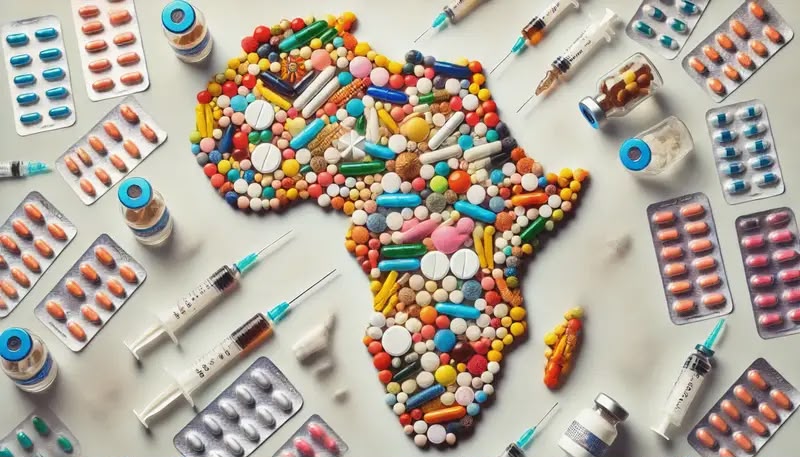
Africa has taken a bold step to improve access to safe and effective medicines by approving and listing five human medicinal products through a new continental process.
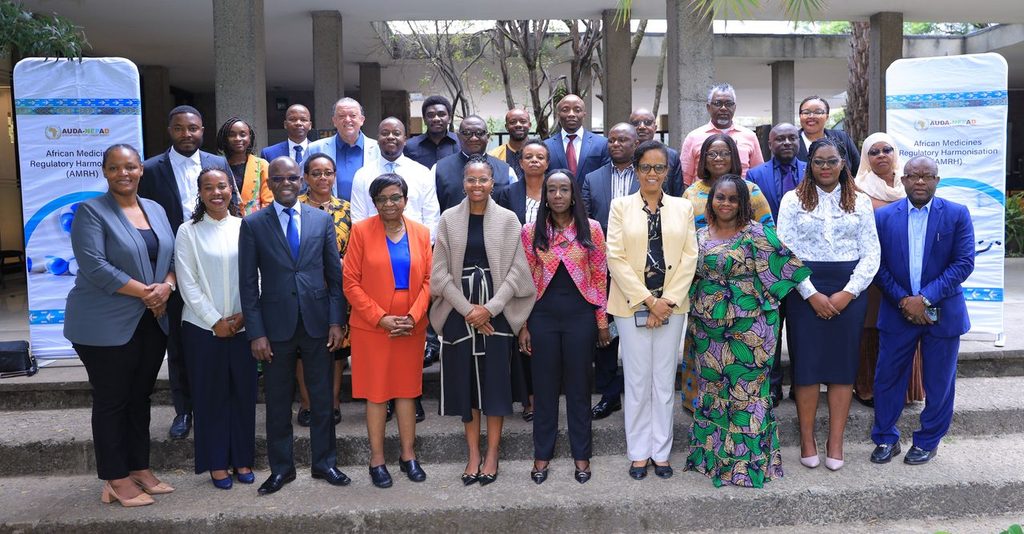
For years, Africa has battled a fragmented system for medicine regulation – slowing down access to essential treatments and giving room for counterfeit drugs to thrive. That could finally be changing. The African Medicines Regulatory Harmonisation (AMRH) Initiative, under the African Union Development Agency (AUDA-NEPAD), has approved five human medicinal products through a new continental drug evaluation process – a first for the continent.
The products approved through this new listing process include vaccines and cancer treatments. By working together, African regulators hope to break down the delays and inefficiencies caused by working in isolation.
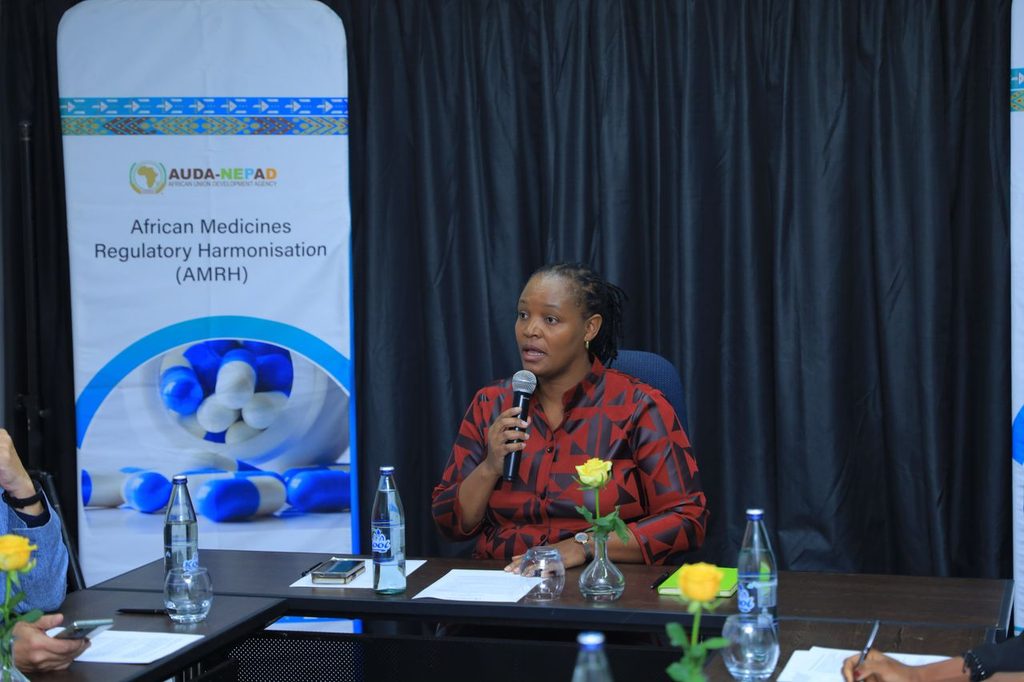
« This is an important milestone for the continent, » highlighted Chimwemwe Chamdimba, Head of the AMRH Programme, during a virtual press conference. « It’s the first-ever listing of human medicinal products at the continental level. »
The launch of this continental listing of medicines, backed by the experience of the European Medicines Agency, matters. It streamlines the drug approval process, reduces duplication across national systems, and strengthens public health systems in Africa.
The first five products listed include:
Easy Six Vaccine – a combination vaccine for children.
The pilot process that led to these approvals started in November 2023 and was carried out by two technical committees: the Evaluation of Medicinal Products (EMP-TC) and the Good Manufacturing Practice (GMP-TC).
They reviewed dossiers submitted by manufacturers, conducted thorough scientific evaluations, and inspected production sites to ensure compliance with Good Manufacturing Practices.
A Tool for Transparency and Trust
As part of this new system, AMRH introduced a digital tool called the Green Book, which serves as a registry of the medicines approved at the continental level.
The book includes the product name, composition, approval date, and expiration of listing. It’s publicly available online and will be updated regularly.
«The Green Book is a way to promote transparency, » explained Aude Perine Minyem Ngombi, Chair of AMRH’s Evaluation of Medicinal Products Technical Committee (EMP-TC). « It helps the public and stakeholders know what products have been approved and how they were evaluated. »
Alongside the Green Book, AMRH also released public inspection and assessment reports to explain how decisions were made. This added layer of transparency is expected to build public trust and encourage more countries to participate.
Building Toward the African Medicines Agency
This historic milestone also aligns with the long-term goal of establishing the African Medicines Agency (AMA) – a specialized AU body created to oversee medicine regulation across the continent. The listing process piloted by AMRH is seen as a test run for AMA’s future operations.
« This pilot paves the way for the African Medicines Agency’s work, » responded Chamdimba. « It sets up the systems and processes that AMA will pick up and run with. »
The AMA, once fully operational, will not only support national regulators but also help member states approve complex medical products using scientific and reliable methods. The idea is to encourage mutual trust, shared responsibility, and more predictable market access.
What It Means for Africa’s Health and Economy
Health experts across Africa have praised the milestone for its potential to improve health outcomes and reduce economic losses linked to poor medicine access.
« This is a monumental achievement,” explained John Paul Omollo Odhiambo, a Global Health Specialist based in Kenya. “It guarantees improved health outcomes and allows individuals to return to their productive lives sooner. »
He highlighted how the harmonized system reduces costs for pharmaceutical companies by eliminating duplication, which in turn can lower medicine prices. He also emphasized the benefit of fighting substandard and falsified medicines, a major health threat in Africa.
« By reinforcing regulatory harmonization, we can ensure the availability of high-quality medicines, inspire innovation, and fortify our fight against fake drugs, » Omollo said.
He added that the process would attract investment into Africa’s growing pharmaceutical sector, creating jobs and promoting local manufacturing.
A Big Win For Cameroon’s Fight against Fake Drugs
For countries like Cameroon, the new listing process presents a real opportunity to strengthen their healthcare systems and fight the long-standing problem of counterfeit drugs.
« Cameroon has faced delays in drug approvals and struggles with fake medicines, » said Dr. Cynthia Adanze Nge, a Cameroonian Public Health Expert. « This new system offers faster access to safe treatments. »
According to Dr. Adanze, Cameroon can now rely on the AU-approved medicines list to bring treatments to market more quickly. The country’s drug testing lab, LANACOME, will also benefit from alignment with the African Medicines Agency’s standards.
« Cameroon can now trace and verify drugs more easily using digital tools like QR codes, » she added. « This will make it harder for fake medicines to circulate. »
To ensure this listing system truly benefits patients, both experts say African governments must act quickly and decisively. Omollo laid out several critical steps:
Adopt Reliance Principles: Allow regulators to trust one another’s decisions.
Align Legal Frameworks: Update laws to match AU guidelines.
Train Regulatory Staff: Build human capital to handle technical evaluations.
Promote Mutual Trust: Conduct joint reviews and encourage information sharing.
Standardize Evaluations: Use common procedures to improve consistency.
Dr. Adanze added that Cameroon should integrate the AU medicines list into its national drug registry and educate the public on how to identify safe medicines.
« With stronger policies, better labs, and public awareness, Cameroon can turn this opportunity into lasting protection for its citizens, » she indicated.
Africa’s first continental approval of human medicinal products is more than a health win; it is a strategic move toward equity, transparency, and innovation. As this regulatory framework grows, patients can look forward to safer and faster access to life-saving treatments.
« This is about building the Africa we want, » Chamdimba expressed. « We are driving economic growth and improving public health for our population. »