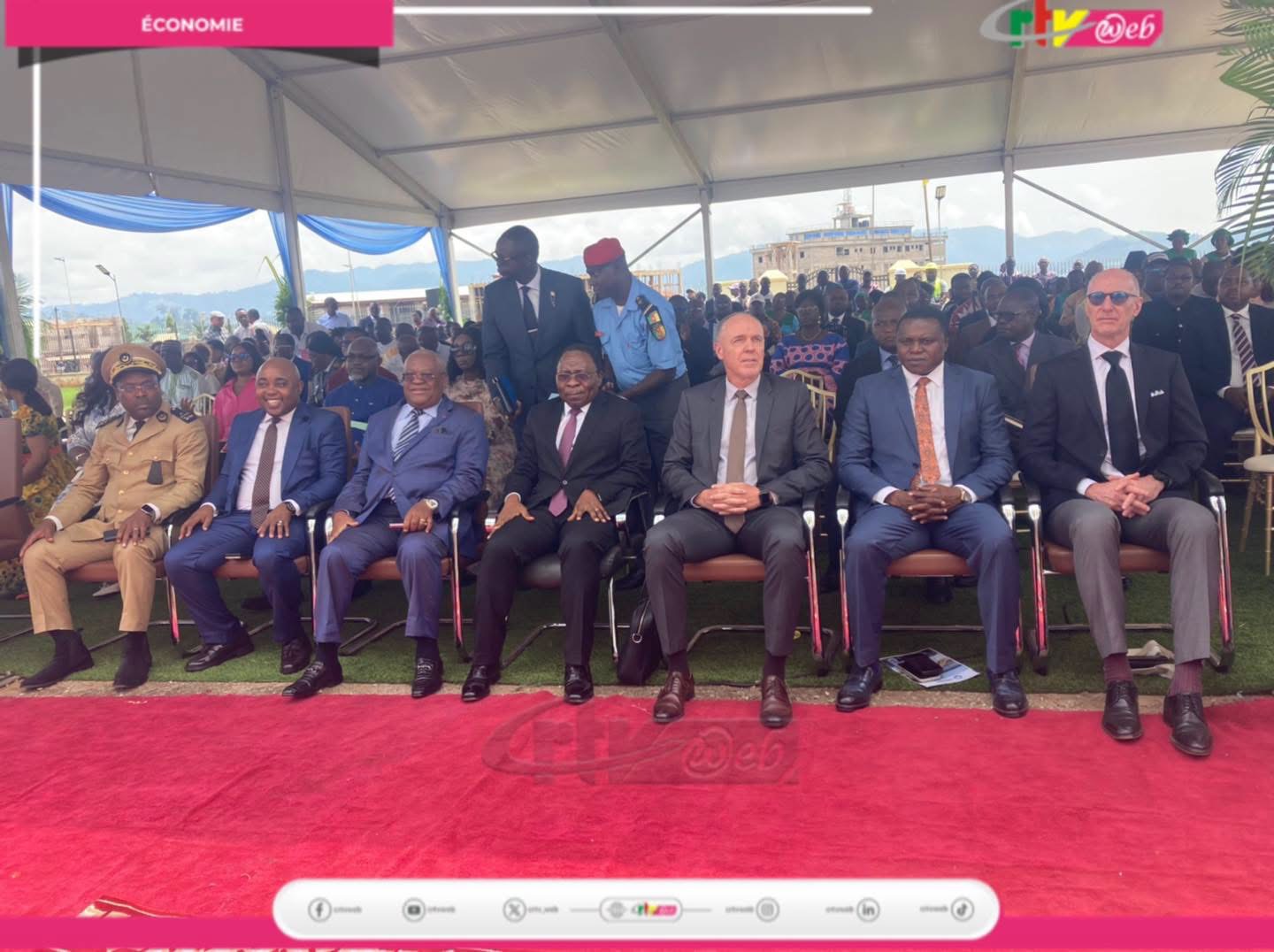
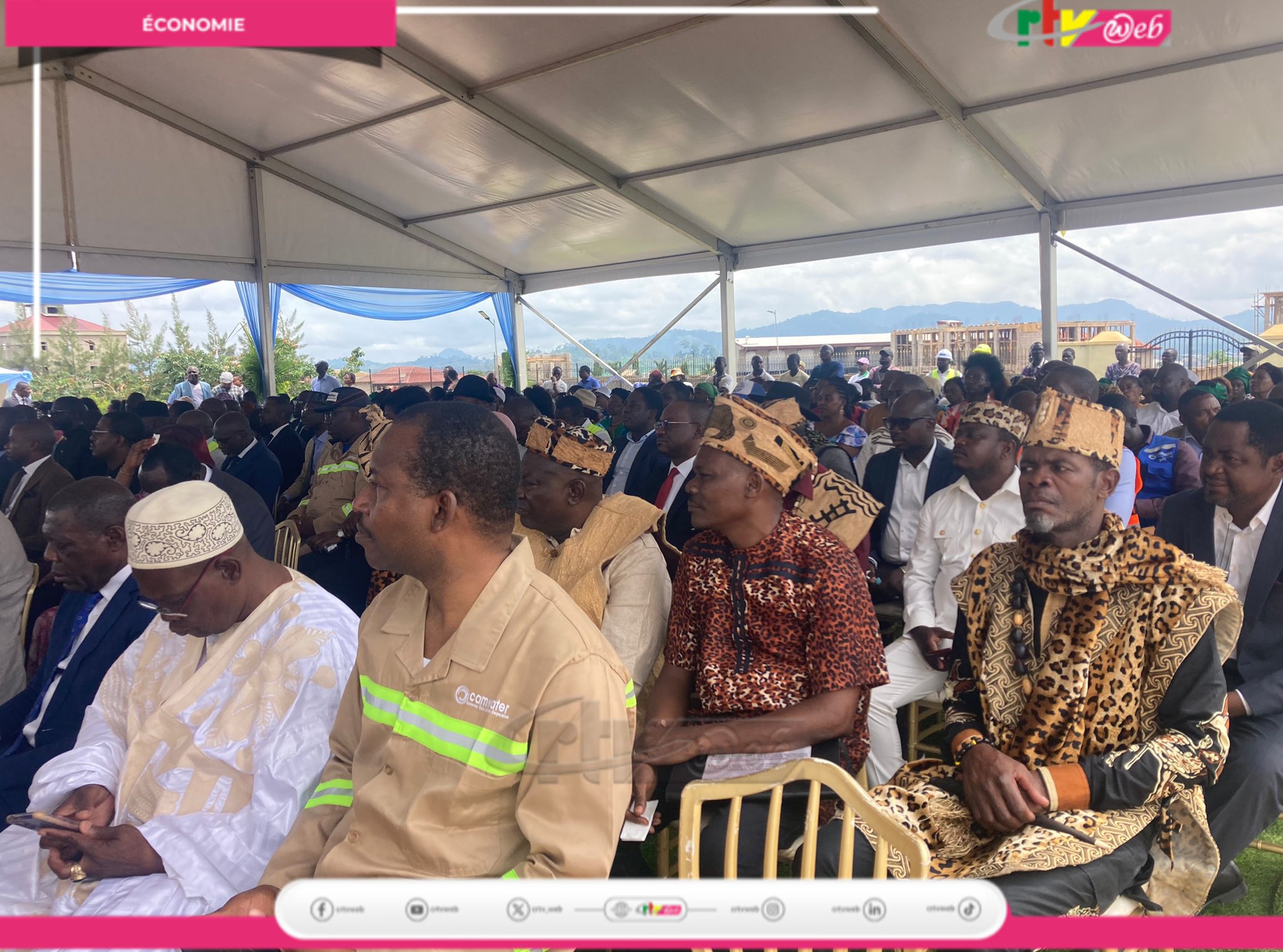
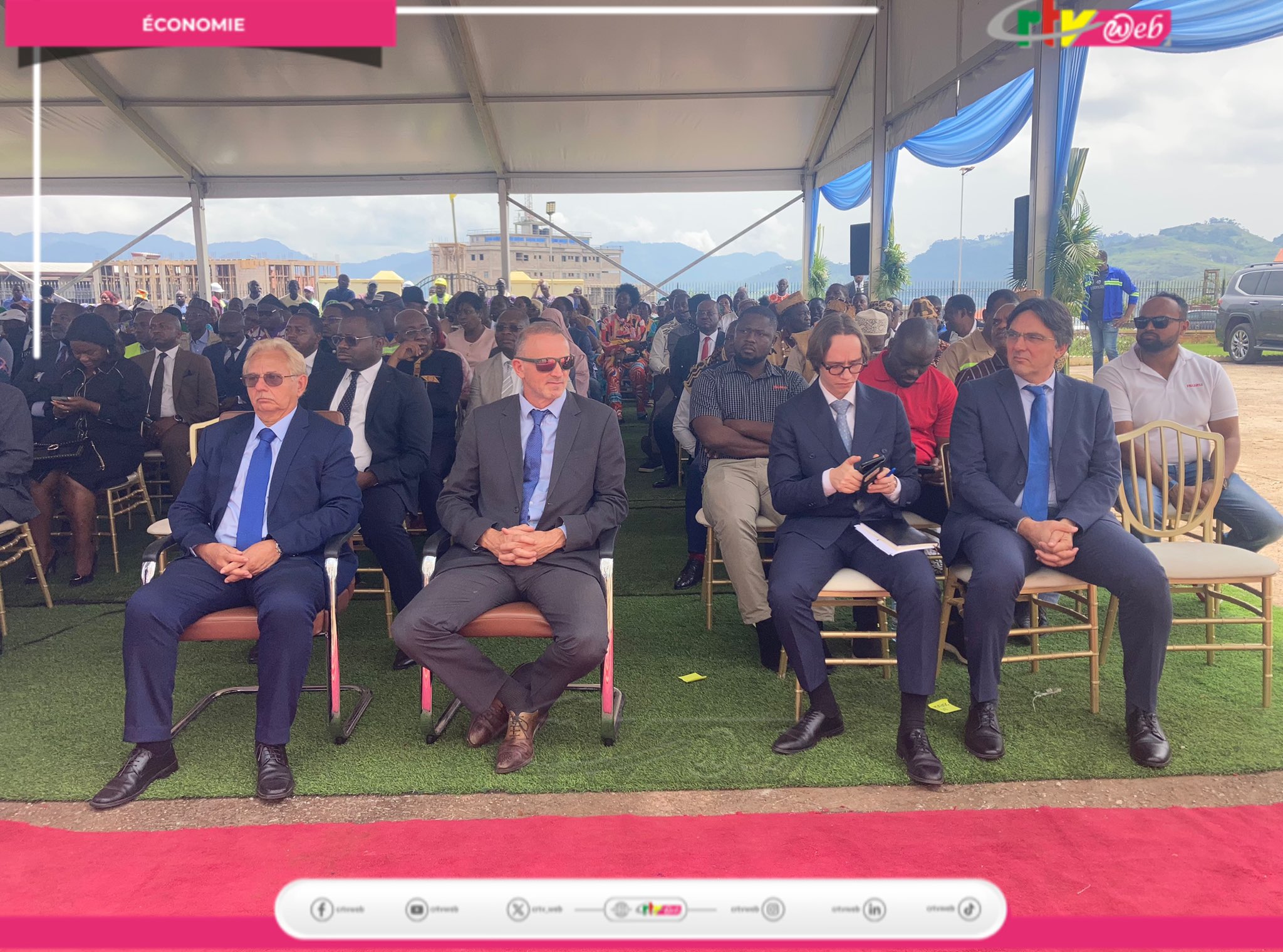
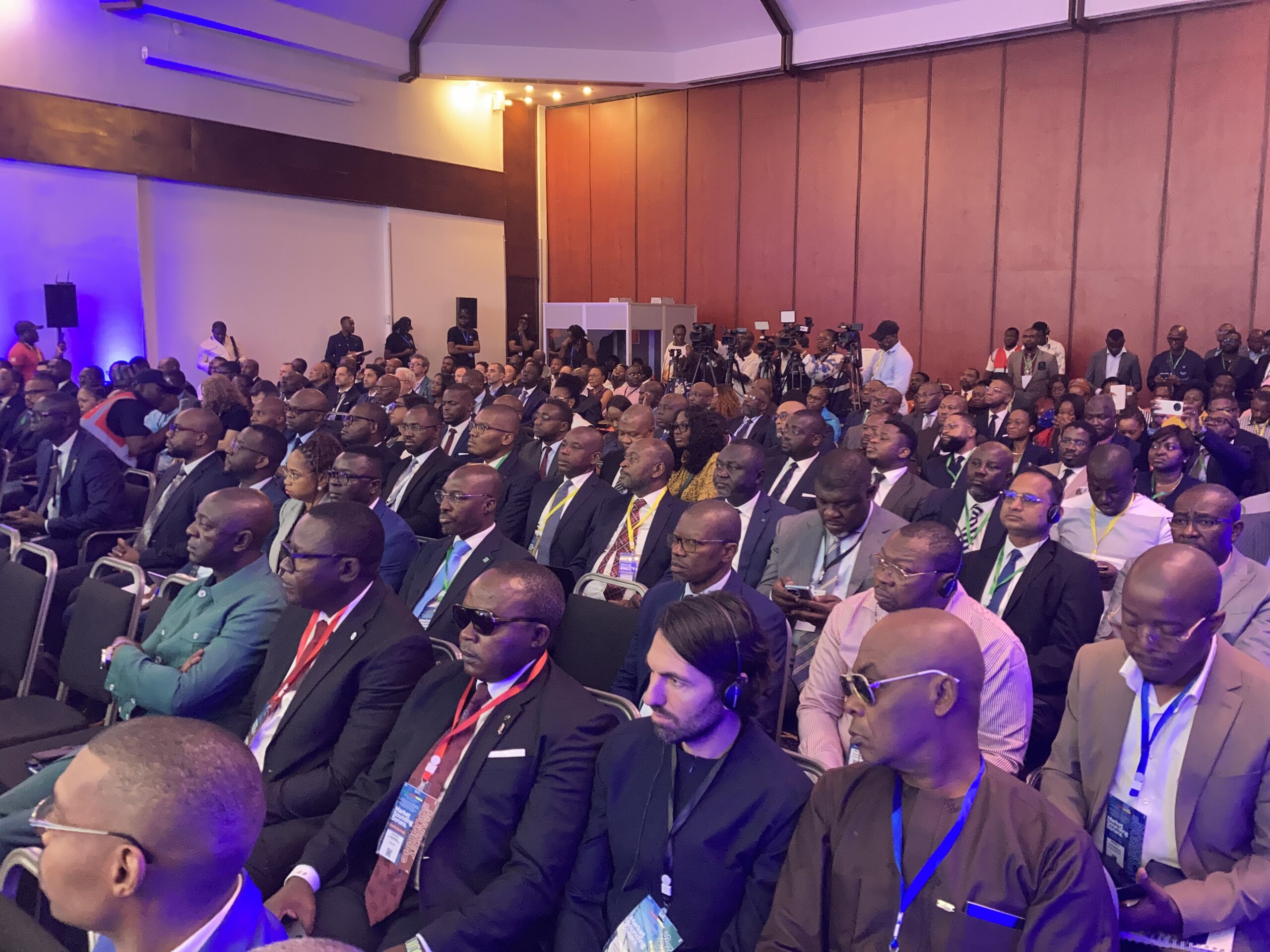
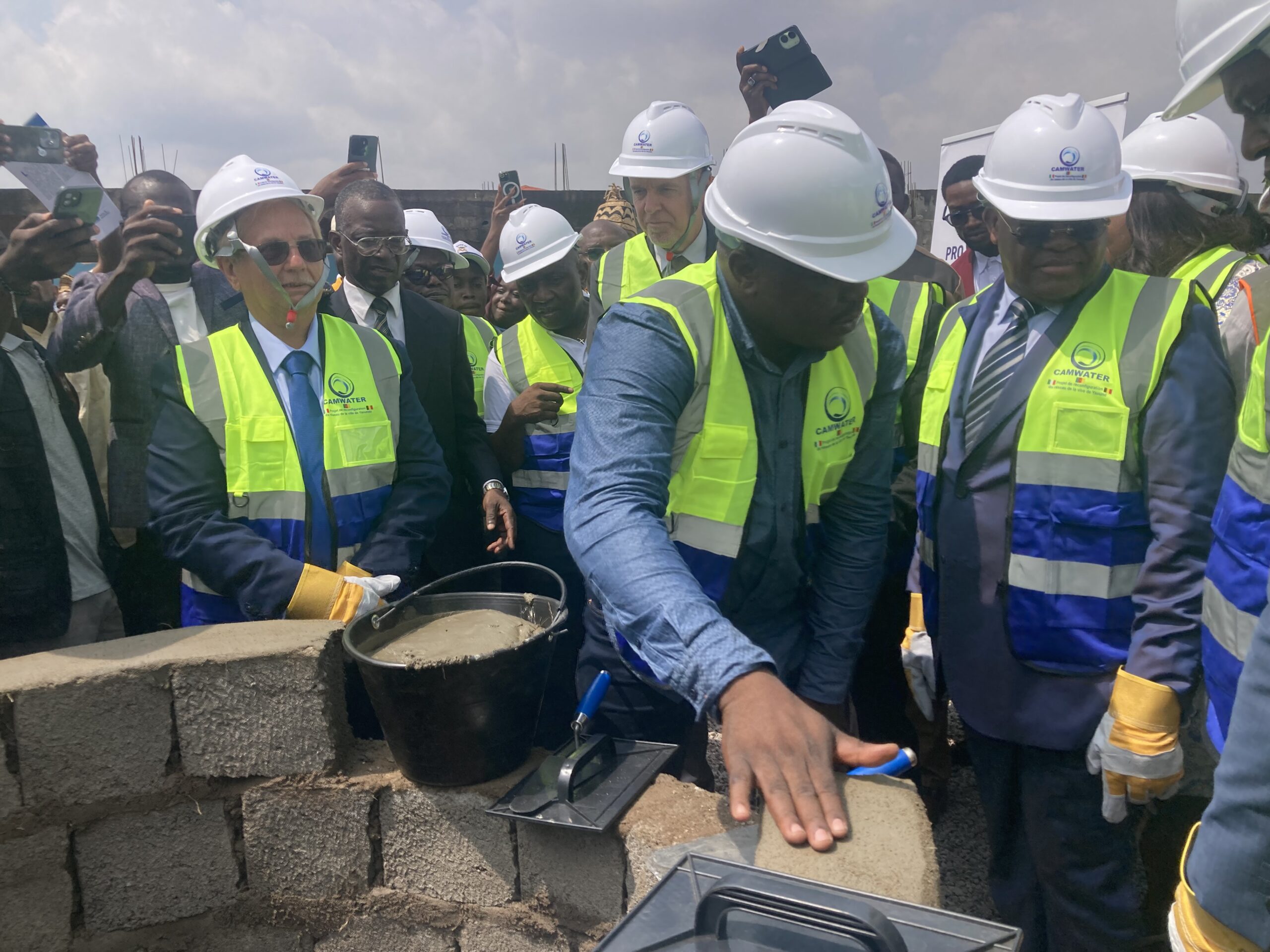
Switzerland’s Ambassador to Cameroon, Her Excellency Natalie Kohli, has visited the Buea National Archives Annex, reaffirming Switzerland’s commitment to cultural heritage preservation and bilateral cooperation.
The ambassador highlighted Switzerland’s support for knowledge preservation, institutional capacity building, and community development initiatives in the South West Region.
Pour leur faciliter la tâche, un guide conçu pour la circonstance a été officiellement lancé ce 2 juin 2026, au cours d’une cérémonie présidée par le ministre de l’Economie, de la Planification et de l’Aménagement du Territoire, Alamine Ousmane Mey.
Le document élaboré conjointement par les ministères des Finances, de l’Economie, de la Planification et de l’Aménagement du Territoire, constitue un outil stratégique destiné à renforcer la cohérence de l’action publique, en favorisant une meilleure articulation entre les missions des établissements publics et les orientations définies dans les stratégies sectorielles ainsi que dans la Stratégie Nationale de Développement 2020-2030 (SND30).
Contexte
La présentation de cette version actualisée intervient dans un contexte marqué par la nécessité d’améliorer l’efficacité des interventions publiques, d’optimiser l’utilisation des ressources de l’Etat et de renforcer la contribution des établissements publics à l’atteinte des objectifs de développement économique et social du Cameroun.
À cet effet, cette version propose une démarche harmonisée permettant aux établissements publics de mieux intégrer les priorités de leurs tutelles techniques dans leurs documents stratégiques, leurs projets de performance et leurs dispositifs de suivi-évaluation. Elle constitue également un levier important pour la mise en œuvre des contrats de performance appelés à devenir le principal cadre de contractualisation entre les établissements et leurs administrations de tutelle.
Des résultats attendus
La cérémonie qui se déroulait à l’amphi 300 du ministère de l’Economie, de la Planification et de l’Aménagement du Territoire, a vu la participation des responsables des administrations de tutelle, des dirigeants des Établissements publics, les partenaires techniques et financiers et les principaux acteurs de la chaîne de planification, de programmation et d’évaluation des politiques publiques.
Elle aura ainsi permis aux uns et aux autres, de s’approprier les innovations introduites par le guide et d’échanger sur les modalités pratiques de son déploiement dans l’ensemble des Établissements publics.
La première session du Comité en charge du pilotage de l’opération de l’Audit des Allocations Familiales (AALFA) s’est tenue à cet effet ce 3 juin à Yaoundé.
C’est une initiative qui s’inscrit en droite ligne des Hautes Directives du Chef de l’État, relatives à la modernisation de la gestion des finances publiques, à la rationalisation de la dépense publique et à la lutte contre les flux financiers irréguliers.
Importance de l’opération
L’objectif de cette opération AALFA est d’extirper du fichier solde tous les enfants alignés frauduleusement, c’est-à-dire en l’absence d’un acte de naissance authentique puis, de recouvrer les sommes indument payées au titre de ces derniers . Les récentes analyses de la base de données de la solde ayant révélé des trajectoires statistiques anormales et hautement préoccupantes : en moins de cinq ans, l’enveloppe budgétaire dédiée est passée de 21 milliards à 38 milliards de FCFA.
C’est dans ce sens que le ministre des Finances, Louis Paul Motaze, président dudit Comité, a souligné, au cours de cette rencontre, que le nombre d’enfants alignés est passé de 594 728 en juin 2024 à 923 307 en mars 2026, soit une croissance de 55% en 21 mois. D’où l’engagement, a-t-il souligné, à démarrer en année 2026, « cette activité pour laquelle le Premier Ministre, Chef du Gouvernement, nous a accordé 24 mois pour la mise en œuvre ».
Objectif des travaux
Cette première rencontre visait donc, selon Louis Paul Motaze, à présenter le projet dans toutes ses facettes aux membres du comité, puis, à obtenir l’accord pour le lancement effectif de la première phase du projet, constituée essentiellement de la collecte des actes de naissance qui sous-tendent les allocations familiales servies aux agents publics en activité.
Toutefois, l’État rassure l’ensemble des agents publics que cette opération n’est pas une mesure de réduction des droits, mais une démarche d’équité. Les droits de tous les agents publics de “bonne foi”, dont la situation familiale est régulière, seront donc scrupuleusement préservés et consolidés.
The fifth cohort of the “One Youth, One Banana Plantain Plantation” programme has been launched this June 3, 2026, at the National School of Administration and Magistracy (#ENAM) in Yaoundé.
The event was marked by an award ceremony under the chairmanship of the Minister of Agriculture and Rural Development, Gabriel Mbaïrobe.
The ceremony has brought together key government officials, including Dr. Taïga, Minister of Livestock, Fisheries and Animal Industries, as well as the Minister of Youth Affairs and Civic Education, Mounouna Foutsou, who is also serving as the interim Minister of Employment and Vocational Training.
Present at the occasion is Samuel Tony Obam, a key figure in the banana-plantain value chain and programme coordinator. He outlined expectations for participants ahead of their one-month immersion tour in Kribi.
The program is in line with efforts to promote youth employability and agricultural entrepreneurship. Some 500 students drawn from five private higher education institutions received start-up kits and labour-saving machines before departing for a one-week immersion programme at the Banana Plantain Value Chain Incubator in Kribi.
The initiative, launched under the fifth cohort of the “One Youth, One Banana Plantain Plantation” programme, is designed to equip young participants with practical skills and market-oriented competencies in banana plantain production and transformation.
A total of 208,761 candidates across Cameroon began the written phase of the 2026 GCE examinations on June 2, reflecting a 2.16 percent decline compared to the 213,361 candidates registered in 2025.
The nationwide examination exercise commenced at exactly 8:00 a.m., with candidates sitting their first papers under strict examination regulations.
To monitor the smooth conduct of the session, the Minister of Secondary Education, Nalova Lyonga, launched an inspection tour of selected examination centres in Yaoundé.
Her first stop was Government Technical High School Yaoundé III, while the Inspector General of Education, Adjaba Biwoli Jean Pierre, carried out parallel supervisory visits across other centres.
At Government Bilingual High School Mendong and other visited centres, the Minister assessed key examination conditions, focusing mainly on the adequacy of lighting in examination halls and the installation of security cameras aimed at ensuring fairness and transparency.
Accompanying the ministerial team, the Secretary of State at the Ministry of Secondary Education, Boniface Bayaola, observed that although overall technical arrangements were satisfactory across both the Anglophone and Francophone subsystems, some shortcomings were still noted, particularly in examination halls and lighting conditions.
Concluding her tour at Government Bilingual Technical High School Nsam, Minister Nalova Lyonga cautioned that schools failing to meet required standards of cleanliness, lighting, and security risk losing their status as GCE examination centres in future sessions, while commending centres that complied fully with the set standards.
Harmonizing the Blood collection system is one of the major reforms the National Blood Transfusion Service is embarking on to address blood collection problems in Cameroon.
The General Manager of the NBTS, Prof. Dora Mbanya disclosed the information to media professionals on June 1, while chairing the press briefing in prelude to the annual observance slated for June 14 across the globe.
Representatives of blood donor associations, civil society organizations, other partners and media professionals were among those to whom the reforms in blood collection were rolled out.
The 2026 World Blood Donor Day will hold in Cameroon on the theme « One Drop of Humanity. Give Blood. Save Lives. »
Highlighting the importance of this year’s theme, the NTBS General Manager said
« It is a simple, but profound reality: blood donation is far more than a medical act. It’s an act of humanity. It’s an expression of solidarity between citizens who may never meet, but whose lives become connected through a single gesture, » Prof Mbanya said.
En route to a Robust Blood Collection System
One of the major reforms being implemented by the NBTS to fulfill its mission of ensuring quality blood is available and accessible in Cameroon is the harmonization of the blood collection system. This is being implemented to improve visibility of available blood resources across the country, anticipate shortages and respond promptly.
Cameroon requires 400,000 pints of blood annually, but currently meets only 47%, representing less than half of its annual blood needs. This has resulted in a recurrent shortage which is fueled by persistent challenges including insufficient national coverage of blood needs, low levels of voluntary unpaid blood donation, regional disparity in access to blood products, limited specialized human resources, and aging equipment and infrastructure in several blood banks .
To change the tides in the blood collection outcomes in Cameroon, the NBTS is banking on two recently completed strategic documents ; the National Policy on Blood Transfusion and a Strategic Plan of the National Blood Transfusion Service for 2026-2030.
Added to this is the groundwork for a modern data system and a more structured approach to community mobilization, currently being laid down thanks to the Project to Support the Deployment of the National Blood Transfusion Service of Cameroon (PADOC), funded by Expertise France and launched on July 11, 2025.
« These documents provide a coherent framework for the development of the sector and define the vision, priorities and actions required to ensure universal access to blood products, » Prof. Mbanya said.
According to the General Manager of the NBTS, the PADOC project has already ushered in significant progress in training, digitalization, governance and strengthening hospital blood banks. Less than one year after its launch, 660 health professionals have been enrolled in training programs, over 330 successfully trained and 14 blood banks equipped with blood collection equipment.
The NTBS will step up efforts to raise awareness about the urgent need for regular blood donation to ensure access to patients in need during commemorative activities for the World Blood Donor Day. The structure has set out a national plan to raise awareness among at least 1million people, collect at least 4000 pints of blood, recruit at least 2000 new donors and mobilize 3,500 people for awareness walks , estimated to cost close to 270 millionFCFA.
Commemorative activities of the 2026 World Blood Donor Day include a fitness walk on June 6, a webinar dedicated to discussing challenges affecting blood donation in Cameroon, blood donation and awareness campaigns across the country, and a round table to identify strategies to spur young people to voluntary donate blood.
A school-based nutrition and health education programme, evaluated this May 28, 2026 in Yaoundé, has recorded significant improvements in students’ knowledge and behaviour, according to evaluation findings and programme data presented during a session led by the Ministry of Secondary Education in collaboration with the Research and Sustainable Development Institute (RSD Institute).
The review assessed implementation and early impact of the initiative aimed at integrating nutrition education into secondary schools to promote healthier diets and regular physical activity among adolescents. The Minister of Secondary Education, Prof. Nalova Lyonga, called for the expansion of healthy school canteens, student cash wallet systems, and school gardens to strengthen nutrition outcomes nationwide.
Evaluation findings presented show a 56% increase in overall nutrition knowledge among students, alongside improved practical skills such as reading food labels, identifying misleading nutrition information, and discussing healthy eating at home. Programme data presented indicate that the initiative has reached over 1.1 million adolescents, trained thousands of school staff and food vendors, sensitised hundreds of thousands of parents and 2,828 schools touched nationwide.
School administrators also shared field feedback, including the principal of GBHS Foumbot, who noted that nutrition and healthy living messages are regularly integrated into school gatherings.
Participants at the evaluation session underscored the importance of continued coordination and further strengthening of implementation as the programme progresses.
Cameroon has officially launched the 2026 “We Ring the Bell” campaign in Yaoundé, stepping up efforts to expand access to education for children with disabilities. Launched on May 29 at the Yaoundé IV Council under the theme “Leaving No Child with Disabilities Behind: Financing Inclusive Education in Cameroon,” the event brought together government officials, development partners and civil society actors.
The Minister of Social Affairs, Pauline Irène Nguene, reaffirmed government commitment to inclusive education, stressing ongoing reforms and the need to fight stigma and discrimination while promoting collective responsibility in supporting learners with disabilities.
She noted that the global campaign, backed by the Liliane Foundation, has mobilised stakeholders in over 100 countries in support of Sustainable Development Goal 4, with Cameroon continuing efforts to improve access and learning conditions for children with special needs.
The Secretary of State at the Ministry of Basic Education, Asheri Kilo Vivian, highlighted that the 2024 inclusive education policy aligns with the National Development Strategy 2020–2030 and targets at least 25% access to quality inclusive education for persons with special needs by 2028.
Despite these commitments, some parents say financial challenges such as transport and school support services remain barriers, calling for stronger assistance to ensure full participation of children with disabilities in education.
Thousands of candidates across Cameroon this Monday May 25, 2026 began the written phase of the Baccalaureate 2026 examinations organised by the Office du Baccalauréat du Cameroun (OBC), with series A, ABI, C, D, E, SH and TI sitting for papers that will run until May 30.
At examination centres nationwide, candidates were subjected to strict security checks as supervision was intensified to curb malpractice and ensure discipline. The session opened smoothly at 8 a.m. with Literature for series A4 Espagnol, A4 Chinois and Série C, as centres maintained a calm and orderly atmosphere.
Meanwhile, the Minister of Secondary Education, Prof. Nalova Lyonga, inspected several centres in Yaoundé, including Lycée de Biyem-Assi, Lycée Général Leclerc, and Lycée d’Élig-Essono, to assess compliance with examination standards. During the tour, she urged candidates to remain focused and avoid distractions, especially from social media, while stressing strict respect of examination regulations, including proper seating arrangements and supervision protocols.
The Minister expressed satisfaction with the overall organisation, noting that the Office du Baccalauréat du Cameroun was effectively enforcing the rules as the examination process continues nationwide.