By Gladys Asu Ngouana
Africa has taken a bold step to improve access to safe and effective medicines by approving and listing five human medicinal products through a new continental process.
For years, Africa has battled a fragmented system for medicine regulation – slowing down access to essential treatments and giving room for counterfeit drugs to thrive. That could finally be changing. The African Medicines Regulatory Harmonisation (AMRH) Initiative, under the African Union Development Agency (AUDA-NEPAD), has approved five human medicinal products through a new continental drug evaluation process – a first for the continent.

The products approved through this new listing process include vaccines and cancer treatments. By working together, African regulators hope to break down the delays and inefficiencies caused by working in isolation.
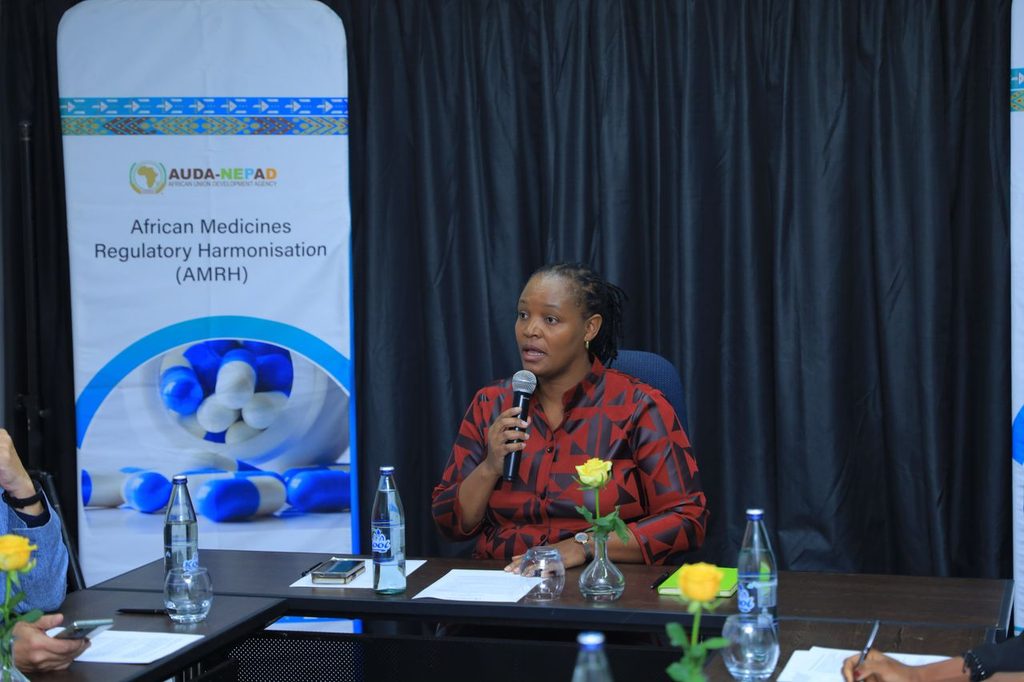
« This is an important milestone for the continent, » highlighted Chimwemwe Chamdimba, Head of the AMRH Programme, during a virtual press conference. « It’s the first-ever listing of human medicinal products at the continental level. »
The launch of this continental listing of medicines, backed by the experience of the European Medicines Agency, matters. It streamlines the drug approval process, reduces duplication across national systems, and strengthens public health systems in Africa.
The first five products listed include:
- Easy Six Vaccine – a combination vaccine for children.
- Gardasil 9 (Prefilled Syringe & Vial) – vaccines to prevent HPV infections.
- Bavencio – a cancer treatment.
- Keytruda – another advanced cancer medicine.
The pilot process that led to these approvals started in November 2023 and was carried out by two technical committees: the Evaluation of Medicinal Products (EMP-TC) and the Good Manufacturing Practice (GMP-TC).
They reviewed dossiers submitted by manufacturers, conducted thorough scientific evaluations, and inspected production sites to ensure compliance with Good Manufacturing Practices.
A Tool for Transparency and Trust
As part of this new system, AMRH introduced a digital tool called the Green Book, which serves as a registry of the medicines approved at the continental level.
The book includes the product name, composition, approval date, and expiration of listing. It’s publicly available online and will be updated regularly.
«The Green Book is a way to promote transparency, » explained Aude Perine Minyem Ngombi, Chair of AMRH’s Evaluation of Medicinal Products Technical Committee (EMP-TC). « It helps the public and stakeholders know what products have been approved and how they were evaluated. »
Alongside the Green Book, AMRH also released public inspection and assessment reports to explain how decisions were made. This added layer of transparency is expected to build public trust and encourage more countries to participate.
Building Toward the African Medicines Agency
This historic milestone also aligns with the long-term goal of establishing the African Medicines Agency (AMA) – a specialized AU body created to oversee medicine regulation across the continent. The listing process piloted by AMRH is seen as a test run for AMA’s future operations.
« This pilot paves the way for the African Medicines Agency’s work, » responded Chamdimba. « It sets up the systems and processes that AMA will pick up and run with. »
The AMA, once fully operational, will not only support national regulators but also help member states approve complex medical products using scientific and reliable methods. The idea is to encourage mutual trust, shared responsibility, and more predictable market access.
What It Means for Africa’s Health and Economy
Health experts across Africa have praised the milestone for its potential to improve health outcomes and reduce economic losses linked to poor medicine access.
« This is a monumental achievement,” explained John Paul Omollo Odhiambo, a Global Health Specialist based in Kenya. “It guarantees improved health outcomes and allows individuals to return to their productive lives sooner. »
He highlighted how the harmonized system reduces costs for pharmaceutical companies by eliminating duplication, which in turn can lower medicine prices. He also emphasized the benefit of fighting substandard and falsified medicines, a major health threat in Africa.
« By reinforcing regulatory harmonization, we can ensure the availability of high-quality medicines, inspire innovation, and fortify our fight against fake drugs, » Omollo said.
He added that the process would attract investment into Africa’s growing pharmaceutical sector, creating jobs and promoting local manufacturing.
A Big Win For Cameroon’s Fight against Fake Drugs
For countries like Cameroon, the new listing process presents a real opportunity to strengthen their healthcare systems and fight the long-standing problem of counterfeit drugs.
« Cameroon has faced delays in drug approvals and struggles with fake medicines, » said Dr. Cynthia Adanze Nge, a Cameroonian Public Health Expert. « This new system offers faster access to safe treatments. »
According to Dr. Adanze, Cameroon can now rely on the AU-approved medicines list to bring treatments to market more quickly. The country’s drug testing lab, LANACOME, will also benefit from alignment with the African Medicines Agency’s standards.
« Cameroon can now trace and verify drugs more easily using digital tools like QR codes, » she added. « This will make it harder for fake medicines to circulate. »

To ensure this listing system truly benefits patients, both experts say African governments must act quickly and decisively. Omollo laid out several critical steps:
- Adopt Reliance Principles: Allow regulators to trust one another’s decisions.
- Align Legal Frameworks: Update laws to match AU guidelines.
- Train Regulatory Staff: Build human capital to handle technical evaluations.
- Promote Mutual Trust: Conduct joint reviews and encourage information sharing.
- Standardize Evaluations: Use common procedures to improve consistency.
Dr. Adanze added that Cameroon should integrate the AU medicines list into its national drug registry and educate the public on how to identify safe medicines.
« With stronger policies, better labs, and public awareness, Cameroon can turn this opportunity into lasting protection for its citizens, » she indicated.
Africa’s first continental approval of human medicinal products is more than a health win; it is a strategic move toward equity, transparency, and innovation. As this regulatory framework grows, patients can look forward to safer and faster access to life-saving treatments.
« This is about building the Africa we want, » Chamdimba expressed. « We are driving economic growth and improving public health for our population. »

