

Blog
-
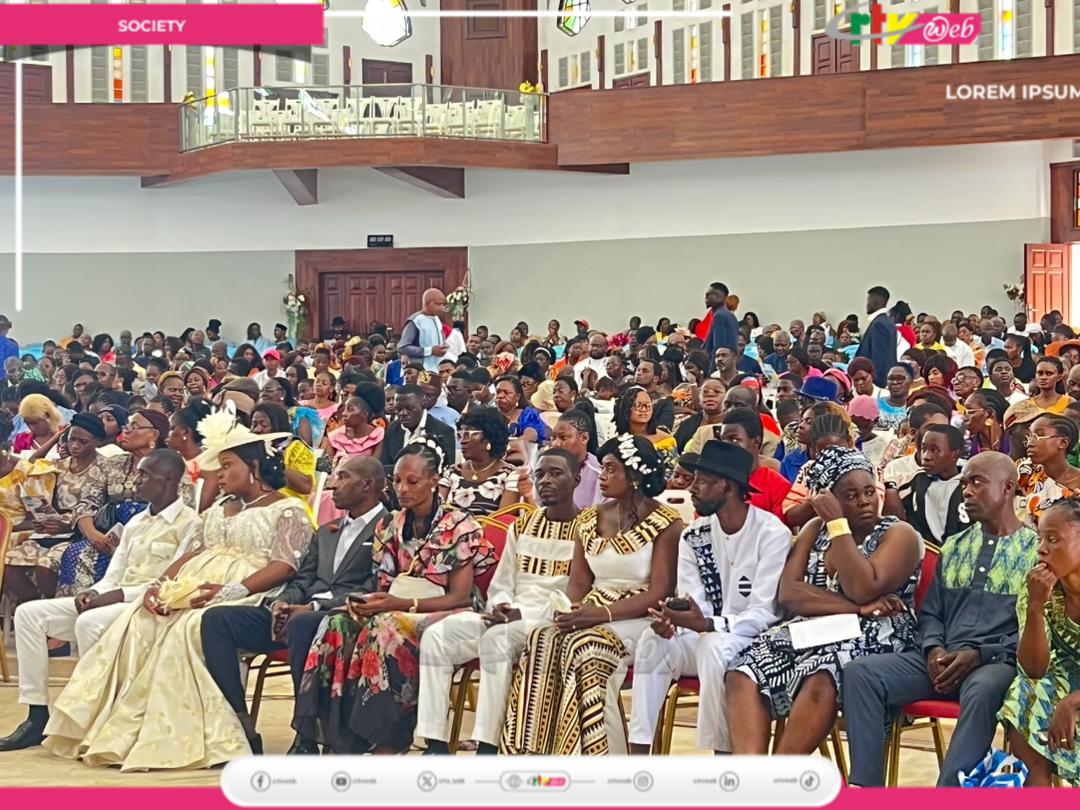
Yaounde: Collective Weddings Strengthen Family Values Ahead of International Family Day
Twenty-one couples formalised their unions on May 9, 2026, in Yaoundé during the “Grand National Banquet for Families,” held ahead of the International Day of Families on May 15 under the theme “Cameroon, One Family, One Nation.” The event brought together families, officials and guests in a celebration promoting legal marriage, family unity and social cohesion.
Organised by Institut Tyrannus in partnership with the Ministry of Women’s Empowerment and the Family (MINPROFF), the ceremony was presided over by Minister Marie-Thérèse Abena Ondoa. Several couples expressed gratitude for the opportunity to regularise their unions through a dignified collective ceremony.
General Supervisor Emmanuel Juste Lingom said the initiative was designed to support couples facing financial barriers to traditional wedding celebrations, while encouraging those in informal unions to formalise their marriages within a shared family gathering. The concept also aimed to elevate the celebration of family as a central pillar of society, alongside other life achievements. He noted that while achievements such as academic success and professional promotions are often celebrated, families themselves are rarely given similar recognition despite their central role in society. Organisers prepared to host thousands of guests, allowing couples and their relatives to celebrate freely.
Speaking during the event the Director of Tyrannus Institute, Mfondi Rachel emphasised that legal marriage strengthens family stability and provides greater security for children. She noted that participating couples benefited from preparatory seminars on marriage, communication and conflict management, with continued post-ceremony guidance.
Minister Marie-Thérèse Abena Ondoa highlighted that this year’s International Family Day theme, “Families, Inequalities and Child Well-being,” underscores the need to reduce social disparities affecting children. She called for stronger social protection systems and collective action to improve family welfare across Cameroon.
The ceremony concluded in a celebratory atmosphere, reaffirming the importance of marriage, family cohesion and shared responsibility in national development.
Egoh Yvonne (Intern)
-
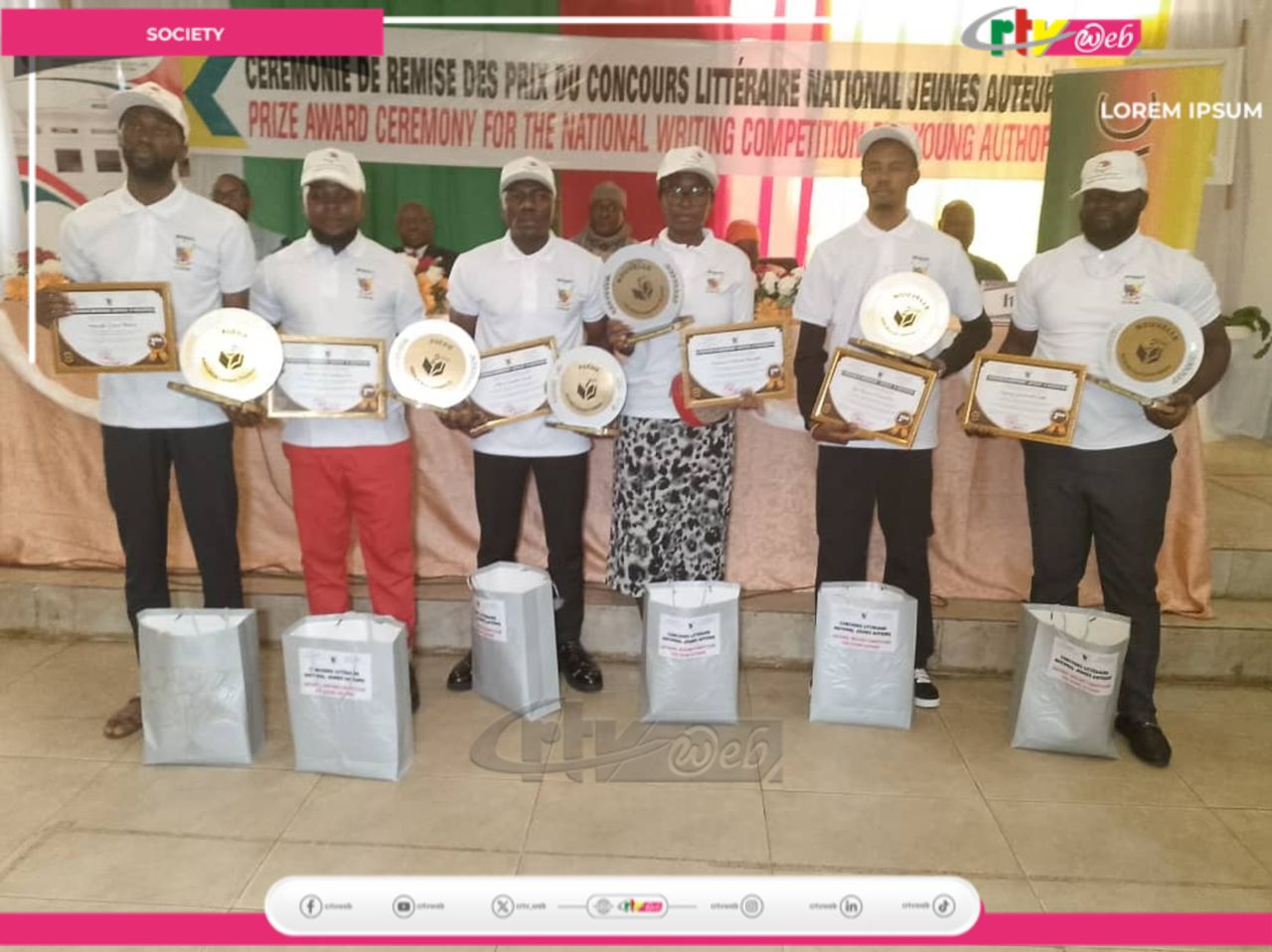
Young Cameroonian Writers Honoured for Promoting National Unity and Combating Fake News
Six young Cameroonian writers have been honoured at the end of the National Youth Writing Competition organised by the Ministry of Arts and Culture. The prize award ceremony took place this Monday, May 11, 2026, at the National Museum in Yaounde.
Selected out of 80 participants from the 10 regions of the country, the winners aged between 16 and 35 distinguished themselves through short stories and poems centered on two major themes: the fight against fake news on social media and the promotion of national unity.
Through their writings, the young authors denounced misinformation, manipulation and the growing influence of deceptive online content targeting young people. At the same time, they highlighted values, traditions and everyday experiences that strengthen social cohesion and peaceful coexistence among Cameroonians.
Members of the jury, made up of writers and education professionals, praised the creativity, originality and depth reflected in many of the submissions. However, they also expressed concern over the excessive use of artificial intelligence tools by some candidates, stressing the need to preserve authenticity and personal creativity in literary production.
Organisers say the competition is part of efforts to revitalise the book sector by encouraging creative writing among young people while promoting reading culture across the country.
The initiative also seeks to use literature as a tool for civic education and national integration at a time when misinformation on digital platforms continues to pose challenges to social harmony.
Egoh Yvonne (Intern)
-
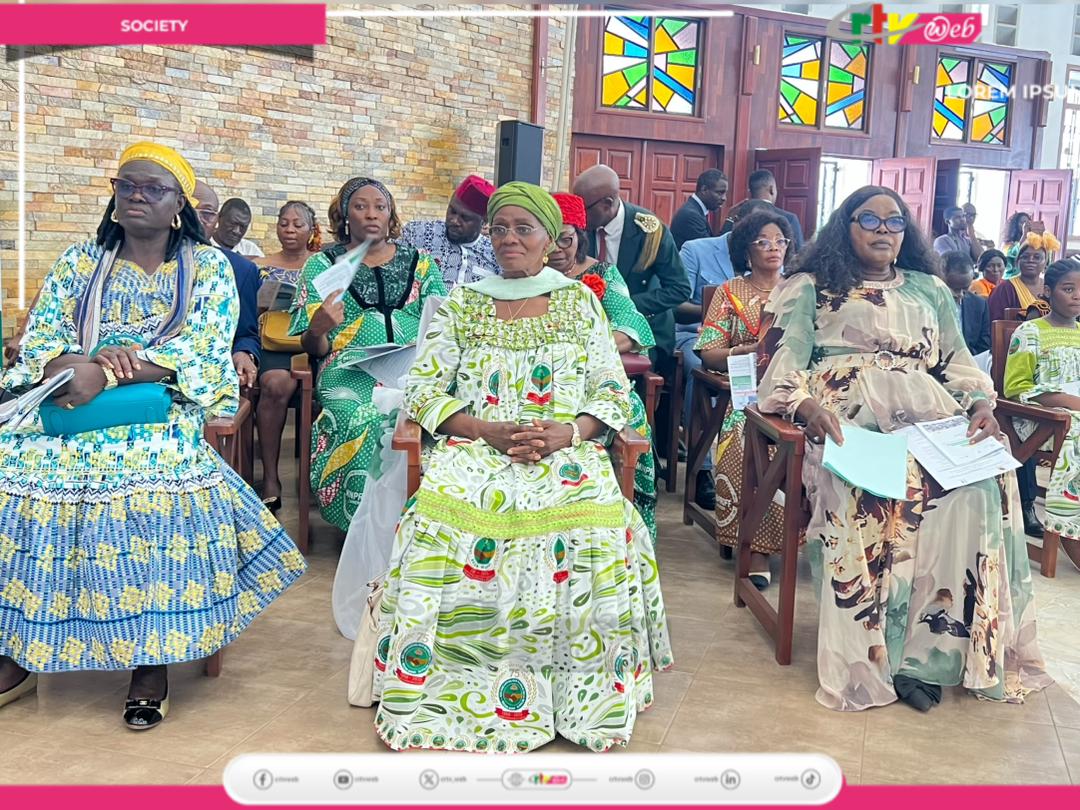
Yaoundé: Government Reaffirms Commitment to Family Protection Ahead of International Family Day
Protecting families and strengthening child welfare is amongst the priorities of the Government of Cameroon as indicated by the Minister of Women Empowerment and the Family during an event in prelude to the 32nd International Day of Families celebrated on May 15, 2026.
During the “Grand National Banquet for Families” held on May 9 in Yaoundé, Minister Marie-Thérèse Abena Ondoa, stressed the need for stronger family protection systems in response to growing social and economic challenges affecting children and vulnerable households.
The Minister highlighted that this year’s international theme, “Families, Inequalities and Child Well-being,” reflects challenges limiting children’s access to education, health care and protection services.
She reaffirmed government commitment, under the leadership of President Paul Biya, to strengthening social protection, family welfare and child protection policies.
Organised by Tyrannus Institute in collaboration with the Ministry of Women’s Empowerment and the Family (MINPROFF), the event gathered public authorities, families and guests under the theme “Cameroon: A Family-Nation.”
The organisers planned a large-scale gathering with provisions made for more than 6,500 guests and 45 buffet stations. The event also featured the civil registration of twenty-one couples facilitated by the Yaoundé V Council.
The event also promoted legal marriage, family unity and social cohesion ahead of the International Day of Families.
Egoh Yvonne (Intern)
-

Yaoundé: Collective Weddings Celebrate Family Unity at Grand National Banquet
Twenty-one couples formalised their unions on May 9, 2026, in Yaoundé during the “Grand National Banquet for Families,” held in prelude to the International Day of Families on May 15 under the theme “Cameroon, One Family, One Nation.”
The ceremony brought together families, guests and public authorities in a large-scale celebration promoting marriage, family values and social cohesion. The event was organised by Institut Tyrannus in partnership with the Ministry of Women’s Empowerment and the Family (MINPROFF).
General Supervisor Emmanuel Juste Lingom said the initiative was driven by the challenges many couples face in organising traditional weddings, particularly financial constraints linked to hosting guests. He explained that the concept integrates marriage celebrations into a wider family gathering, allowing couples in informal unions to legalise their status while celebrating with relatives.
He added that the initiative also aims to elevate the family as a central value in society, noting that achievements such as education and professional success are often prioritised over family life, despite its foundational role.
Mme Mfondi Rachel, Director of Institut Tyrannus, stressed that marriage preparation sessions were included to reinforce communication, commitment and stability within couples, equipping participants with practical tools for long-term family life.
The celebration ended in a festive atmosphere marked by communal participation and a renewed emphasis on unity and responsible family living.
Egoh Yvonne (Intern)
-
Cameroon Bar entrance examination: 5,120 aspirants
Over five thousand candidates sat the 2026 Bar entrance examination that kick-off this Saturday May 9, 2026 in Yaounde.
The President of the Cameroon Bar Association senior Barrister Mbah Eric Mbah visited the three examination centers and said he is satisfied with the organization despite some challenges.
The 5,120 aspiring candidates for the Cameroon Bar all answered present in the three centers designated by the organizing committee. These centers included:
- the National School of Administration and Magistracy (ENAM),
- Lycée Général Leclerc, and the Bilingual Technical,
- Industrial and Commercial High School of Yaoundé.
Despite some challenges encountered in organizing the examination, the President of the Bar, Senior Barrister Eric Mbah, reassured candidates that all was well prepared.
The question papers for the general knowledge paper, distributed to candidates, were set and photocopied early this morning to avoid fraud.
The examination halls were also visited by the President of the Cameroon Bar and officials from the Ministry of Justice to verify that everything was in place, ensuring that the examination ended this Sunday, May 10 on a satisfactory note.
Sidonie Djobmandi
-
MINJEC Engages Leaders on Electoral Peace
As Cameroon moves towards upcoming legislative and municipal elections, concerns over electoral manipulation, misinformation and potential violence are driving renewed calls for civic vigilance.
These concerns were at the center of discussions in Yaoundé on May 7, 2026, where religious leaders, traditional rulers and community mediators convened to explore preventive strategies.
The meeting was organised by the Ministry of Youth Affairs and Civic Education (MINJEC) under PRONEC-REAMORCE, a government initiative focused on civic education and moral, civic and entrepreneurial rearmament aimed at promoting responsible citizenship, patriotism, peace and social cohesion, especially among young people.
It was chaired by the Secretary General of the ministry, Zachée Robert Théophile BENGA. Speaking on behalf of the Minister, he stressed that young people hold strong potential but require guidance, encouragement and experience to fully develop, noting that building a harmonious Cameroon depends largely on investing in the youth, who represent the majority of the population.
Participants underscored the strategic role of religious and traditional authorities in fostering peaceful coexistence and encouraging responsible civic engagement ahead of the polls. Attention was also drawn to the importance of youth engagement, particularly through moral upliftment, confidence building, skills development and increased participation in civic life.
Religious and traditional leaders reaffirmed their commitment to remain actively involved in electoral sensitisation efforts, pledging to support initiatives centered on civic education, capacity building and messages geared towards peace and national cohesion.
The discussions culminated in a shared resolve to strengthen electoral peace and reinforce social cohesion nationwide ahead of the elections.
Egoh Yvonne (Intern)
-

Fact Check: No Scientific Evidence That Veldt Grape Roots Cure Epilepsy, Experts Warn
Epilepsy, a chronic neurological disorder affecting an estimated 50 million people worldwide, requires specialized and evidence-based treatment, typically involving anti-seizure medications or, in some cases, surgery.
According to global health experts, proper diagnosis and long-term medical follow-up are essential for managing the condition effectively.
However, misleading medical claims have recently gained traction online, suggesting that the roots of veldt grape, scientifically known as Cissus quadrangularis can treat epilepsy. One such claims, circulating widely on social media, has raised concerns among medical professionals. (see more)
Experts Dismiss Viral ClaimsThe CRTV Factchecking Team started verifying these claims, shared on Facebook and other social media platforms.
We consulted medical experts including a Neurologist who said the claims are not backed by scientific evidence.Dr. Leonard Ngarka, neurologist, explains that while some laboratory research has shown potential anticonvulsant properties of Cissus quadrangularis in animal models, this does not translate to proven treatment for humans.
“Cissus quadrangularis has been shown to have anti-seizure properties especially in rats, but scientifically it has not been proven that it can treat epilepsy in humans. As a neurologist, I advise the population to be cautious about using the roots of this plant for epilepsy, and instead consult a medical doctor for proper follow-up,” he said.
Why the Confusion Persists: Our FindingsThe misconception may stem from the plant’s long-standing use in traditional medicine. Cissus quadrangularis has been widely used for bone healing and other ailments, and some experimental studies in animals have explored its neurological properties.
According to Dr. Ngarka and other experts, such preliminary findings often spark public interest, but fall far short of the rigorous clinical testing required for approval in modern medicine. He says for any plant-based remedy to be considered safe and effective for human use, it must undergo years of controlled studies to evaluate both its benefits and potential side effects.
When a substance is part of traditional African pharmacopeia, its integration into conventional medical practice depends on extensive scientific validation.
What Patients Should DoHealth professionals stress that individuals living with epilepsy—or those seeking treatment for loved ones—should rely on qualified neurologists and evidence-based care.
At present, there is no clinical or medical proof that the roots of Cissus quadrangularis can treat epilepsy in humans.
Relying on unverified remedies may delay proper treatment and increase the risk of complications.
Natacha Lehman Mbachi -
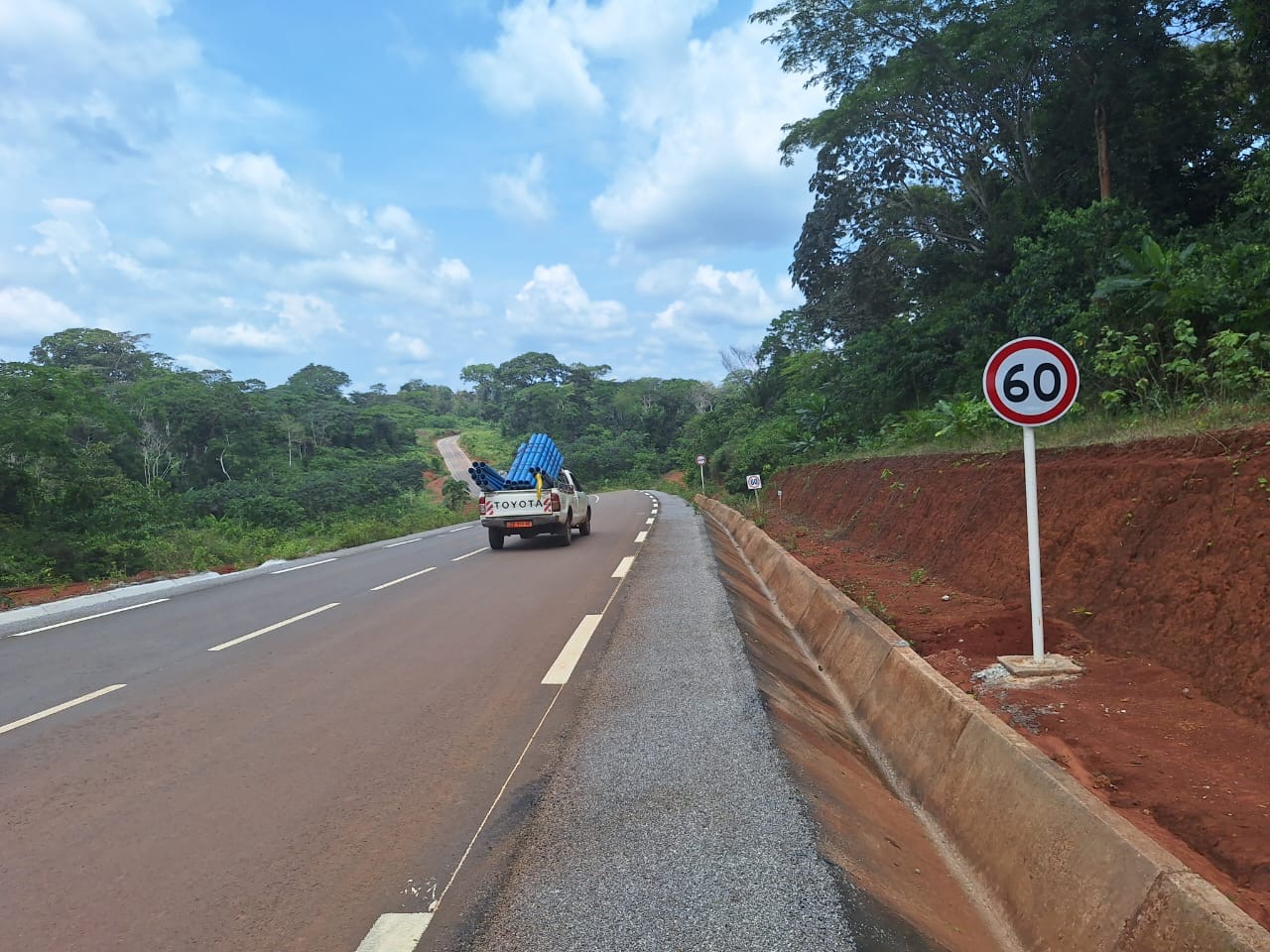
Route Awae-Esse-Soa: la réception imminente
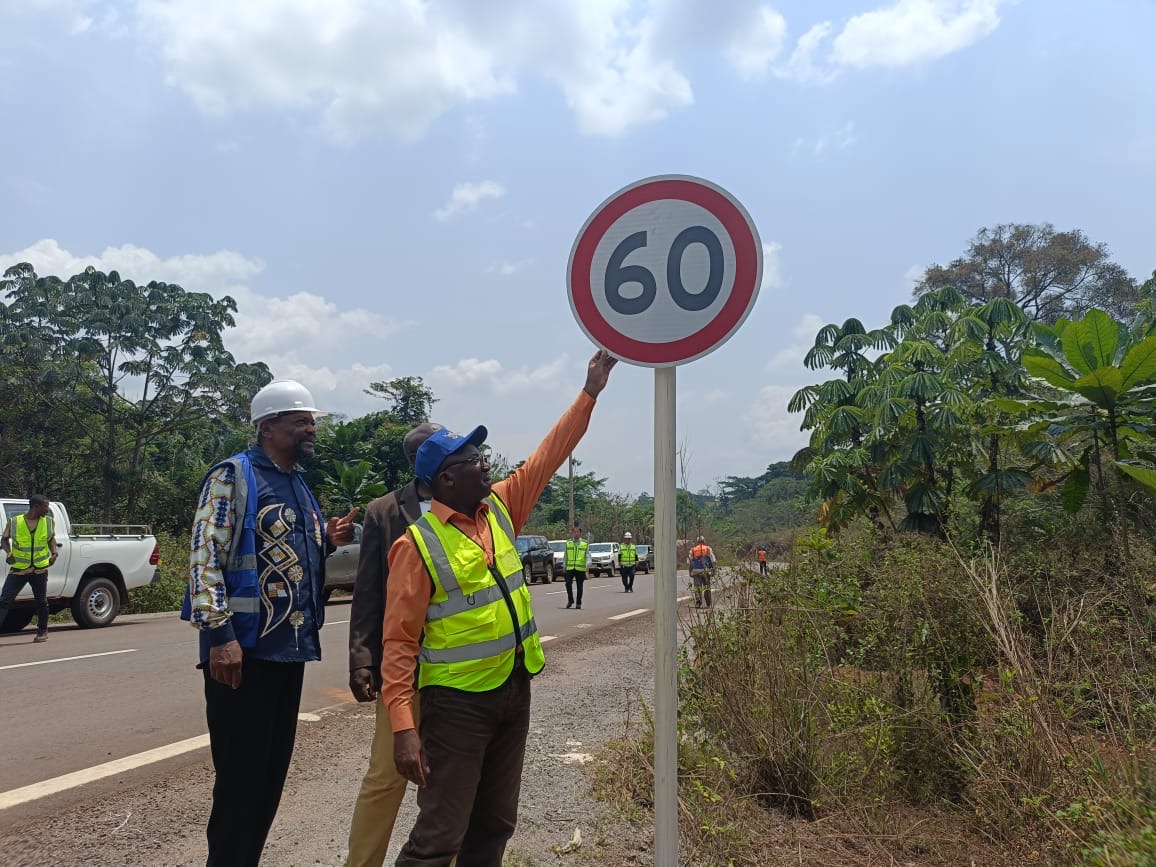
Le projet a été évalué au cours de la revue des projets du ministère des Travaux Publics (MINTP) tenue les 5 et 6 mai 2026, sous la conduite du Ministre des Travaux Publics, Emmanuel Nganou Djoumessi.
De l’évaluation de l’état d’avancement des travaux, il ressort que la route Awae-Esse-Soa est aujourd’hui à plus de 83%. Les emprises autrefois encombrées par les obstacles, sont toutes libérées. Sur le site, les équipes de l’entreprise CFHEC sont très actives sur les travaux de signalisation horizontale et verticale ainsi que la pose des Glissières de sécurité métallique. Les travaux de perrés maçonnés en vue de la protection du grand talus qui précéde le pont de l’Afamba sont eux aussi en cours d’achèvement.
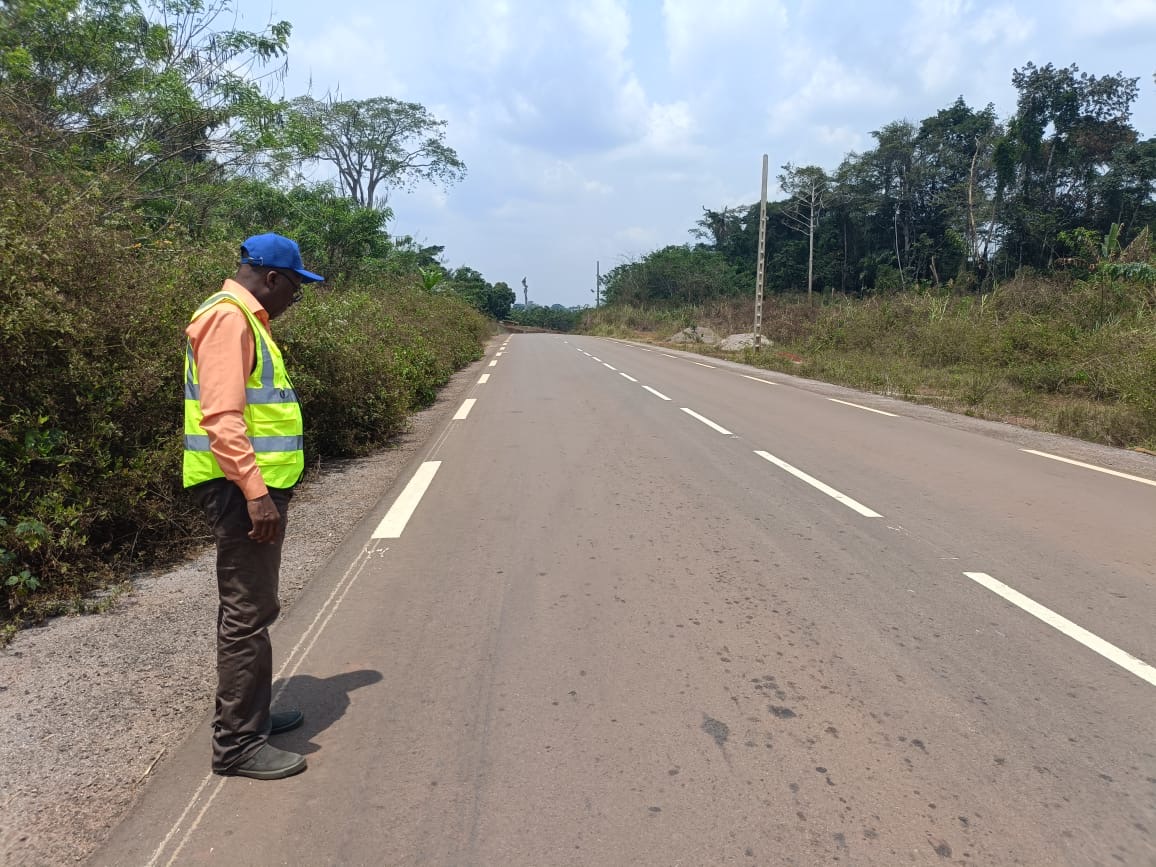
Le Maître d’ouvrage a par conséquent instruit de procéder au paiement à cette entreprise comme à toutes les autres qui enregistrent un taux d’exécution supérieur ou égal à 30%.
Source: Cellule de communication du MINTP
-

Cameroon Electricity Company, SOCADEL: Pioneer Executives Installed
The pioneer executive bureau of the state-owned Cameroon Electricity Company, SOCADEL have been installed into their functions.
The team comprised of the Board Chair, Antoine Ntsimi, Director General Oumarou Hamandjoda and the Deputy Director General, Jean Basile Ekobena, were commissioned by the Minister of Water and Energy, Gaston Eloundou Essomba during the board meeting of the new structure.
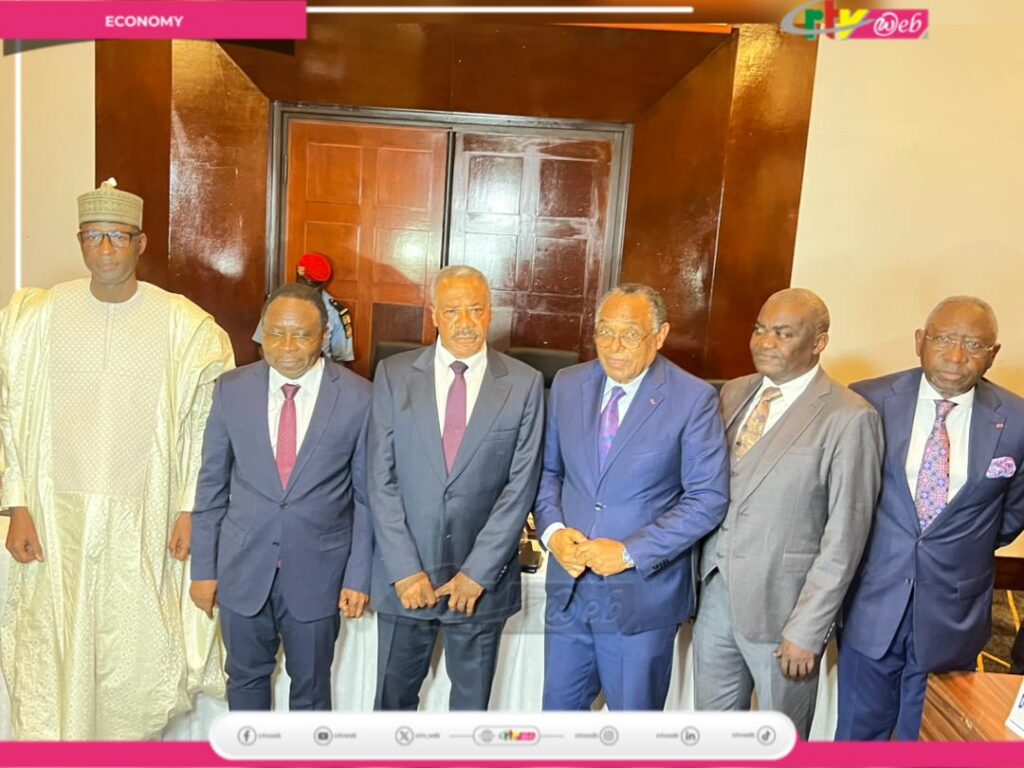
Their appointments were announced on May 5, 2026 as one of the major resolutions of the meeting of the board of directors of the Energy Company. The meeting was attended by actors in the sector and partners in the supply and distribution chain.
The Minister called for stricter action against fraud and urged the new leadership to strengthen reform efforts to resolve the dwindling supply and persistent challenges facing the energy sector including financial imbalance and declining service quality.
The Water and Energy boss, Gaston Eloundou Essomba insisted that energy is one of the main factors behind the development of every growing economy and therefore should be addressed with a comprehensive strategy that will enable growth and sustainable economic prosperity.
To the new leadership, he urged them to be steadfast and get ahead in their respective areas of functioning.
In his remarks, the new boss at the SOCADEL, Oumarou Hamandjoda expressed gratitude to the Head of State for his appointment and called for collective commitment toward the company’s success.

Oumarou Hamandjoda brings to the table a two-decade experience in the energy sector; he previously served as Deputy Chief Executive Officer of Energy of Cameroon (Eneo), overseeing operations nationwide, and holds executive trainings from Harvard Business School.
He will be assisted in his new position by Jean Basile Ekobena, a seasoned professional in energy management and administration, with a track record in coordinating strategic operations within the sector.
Egoh Yvonne (Intern)