Étiquette : À la Une

  • Cancer or Tuberculosis: A Cameroonian Woman’s Search for Answers

    By Gladys Asu Ngouana

    In early 2024, Nahbum Beltine – a 38-year-old life coach, esthetician, wife, and mother of three, living in Yaoundé, Cameroon – woke up to a sharp, deep pain around her breast bone.
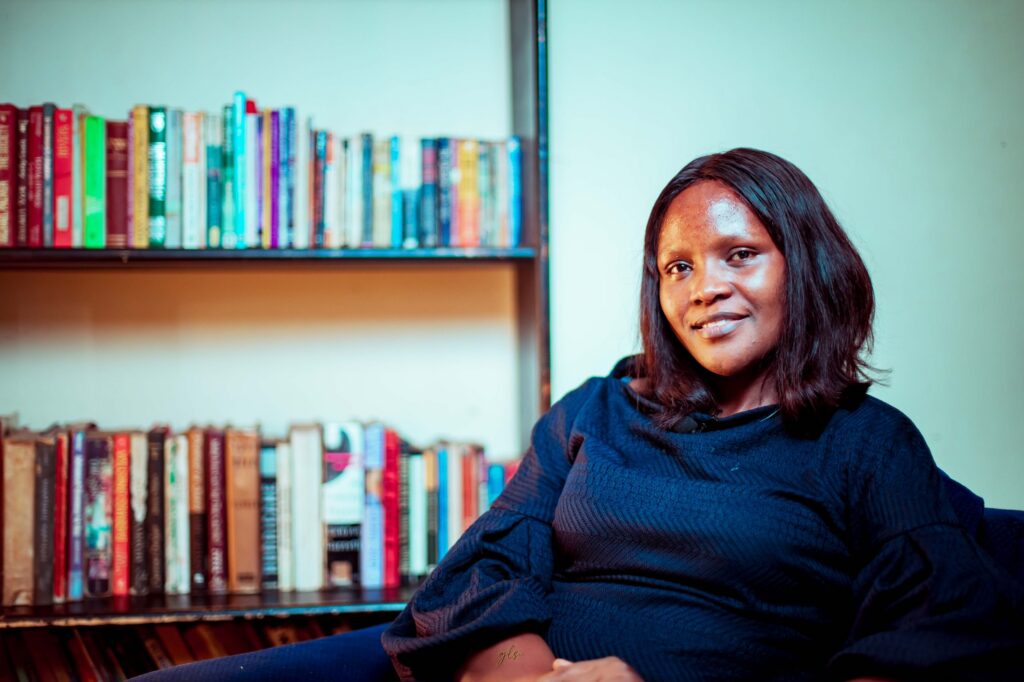
    Beltine and her husband, Lawrence Nkede assumed rest and hydration would solve what they instinctively taught to be a postpartum defect from child birth.

    But when the pain persisted, as Beltine described,  » it was as if something unseen has called my name » – she sought medical care. That was the start of a multi-year medical nightmare that would test her family’s endurance and expose the fragile, often terrifying realities of medical diagnoses in Cameroon.

    A Diagnostic Maze: The Battle of the Labs

    Determined to find relief, Beltine began a grueling journey through the healthcare system. Her first stop was a local hospital, where a general practitioner suspected gastric distress between her breasts. He prescribed medication, but two weeks passed without relief.

    She sought a second hospital. Doctors ran extensive blood panels, organ scans, and ultrasound echographies. Her blood samples were even shipped to France for specialized testing, returning completely normal. Meanwhile, the pain was moving relentlessly across her body. Her doctor recommended 15 sessions of physical therapy; they yielded nothing.

    « I worked with that doctor for close to two months, » Beltine recalled. « The doctor honestly told me that he could not continue with me, that he was just a general doctor, and it would be better to link me up to a specialist. »

    Yet even under specialist care, clarity remained elusive. As her health deteriorated, Beltine was rushed to a clinic in the Bastos neighborhood of Yaoundé. By then, the pain was so agonizing that doctors put her on high-dose pain management, including tramadol and eventually morphine.

    Soon, physical deformities appeared; her right rib cage began to swell noticeably.
    Without a clear picture, surgeons proposed exploratory surgery, suggesting it might be an abscess or appendicitis. Beltine refused to let them operate blindly.

    « I told the doctor: ‘No, you cannot operate on me for an ‘it could be’. If it is this, you have to be explicit, you have to be specific that it’s this thing, then I will allow you to operate on me.’ »

    Disappointed, Beltine traveled to the Southwest Region of Cameroon, hoping English doctors in hospitals such as Mutengene and the Regional Hospital in Buea could make concrete findings. Advanced CT scans were ordered, but local interpretations remained hesitant, pointing only to a « high probability of cancer. »

    Seeking immediate clarity, her CT scan was digitized and sent to a specialist in India for expert review. Foreign interpretations suggested a stage 4 metastatic breast cancer, with an estimated treatment cost of $30,000 – nearly 19 million CFA francs.

    Beltine returned home shattered. Having maintained strict gynecological follow-ups through all her pregnancies, the news felt like a nightmare.

    « I stood there, came back home, and I was tearing up. I was confused. I cried and cried, » Beltine shared. A friend in the United States opened a GoFundMe campaign to raise funds, while relatives called and prayed, helping her carry a burden too heavy for one family.

    The Biopsy Dilemma: Praying for Tuberculosis

    Before committing to the crippling expense of international chemotherapy, a trusted local doctor urged Beltine to undergo a tissue biopsy in Yaoundé. To be absolutely certain, the extracted tissue was divided and sent to two separate laboratories.

    The results rather created confusion. While one laboratory confirmed primary bone cancer, the other found no trace of cancer at all, advising the medical team to test for tuberculosis.

    Dr. Eke Marie Cyrielle, an internist at the Baptist Hospital who was part of Beltine’s medical team, vividly recalls the complexity of the case.

    “It was, without a doubt, a very challenging diagnostic journey,” Dr. Eke explains. “What made her case particularly difficult was the fact that the investigations were not giving a straightforward answer. Initially, we had tuberculosis as a differential. We tried to do various non-invasive investigations – like gastric aspirate for GeneXpert and sputum – but we had negative results.”

    Because the non-invasive tests failed to show TB, the contradictory biopsy results left the team in a perilous position. Beltine was caught in a psychological limbo, actively hoping she had a severe infectious disease simply because tuberculosis, unlike late-stage metastatic cancer, offered a real chance at a cure.

    “We had two labs, first biopsy, two different results,” Dr. Eke notes. “Sometimes when we are faced with contradictory results, we might tend to give up. But the aim is to keep on searching until you find the right diagnosis. Patients don’t read books and we don’t treat tests; we treat patients.”

    Refusing to give up, Beltine traveled to Dubai, visiting multiple health centers. Extensive imaging revealed that the illness had eaten holes into her bones, leaving her spine so fragile that doctors warned a wrong move could paralyze her permanently. She was placed in an orthopedic lumbar belt and given bi-weekly bone-strengthening injections costing 100,000 CFA francs per dose.
    While in Dubai, a doctor conducting a detailed ultrasound spotted a long-standing nodule near her breast and arm area. The physician strongly advised her to return to Cameroon and get a Fine Needle Aspiration Cytology (FNAC) – a precise needle test targeting the swollen tissue – along with a PET scan. To break the tie, a second tissue sample was taken and sent to a third laboratory.

    Finally, the definitive truth emerged: Tuberculosis Adenitis. It was an extraordinarily rare form of extra-pulmonary TB that aggressively attacked her soft tissue and bones, perfectly mimicking a metastatic tumor on radiological scans.

    The diagnosis brought clarity and an answered prayer. Beltine was immediately referred to an infectious disease specialist and placed on a strict 12-month course of targeted anti-tuberculosis medication.

    Because the drugs had to be taken at 5:00 AM on an empty stomach, Lawrence helped manage a precise daily routine. They paired her medical treatment with a disciplined nutritional plan, incorporating fresh fruits, aubergine sauvage (wild eggplant), black seed oil, soursop leaves, and natural botanical extracts to support her liver and immune system.
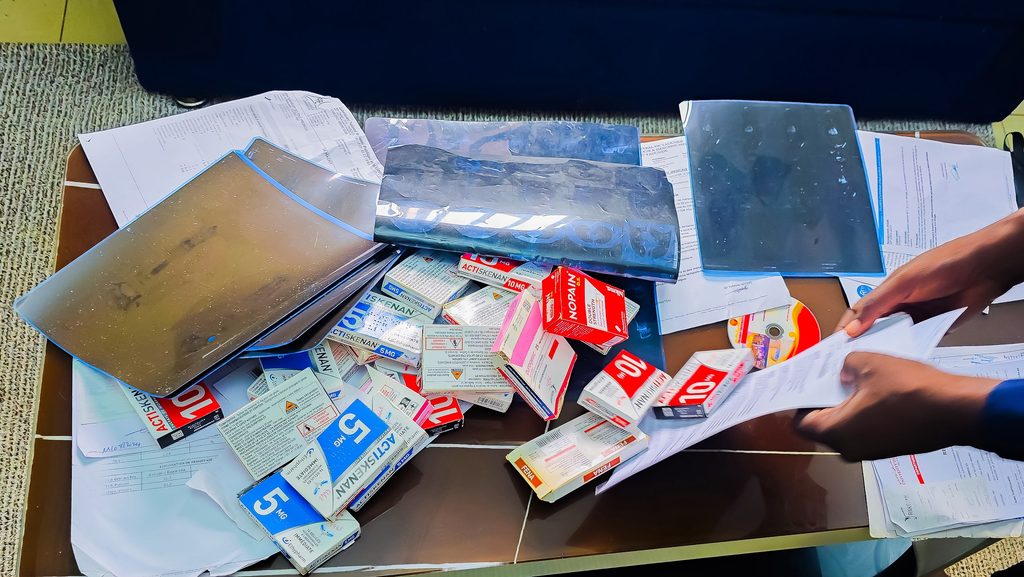
    After 12 months, her doctor officially stopped the anti-TB pharmaceutical course to protect her internal organs. Today, the swelling on Beltine’s right rib cage has completely vanished, and the left side continues to clear.

    « After seven months, eight months, the pain subsided, » Beltine shared. « I woke up, I could stretch, I could lift up my hand, I could turn… I said, ‘God, thank you. Thank you for answering my prayers.’ »

    The Emotional and Financial Toll on a Family

    While Beltine’s body fought the disease, her family bore the immense emotional and financial brunt. Her husband, Lawrence Nkede, a sports analyst and communications professional, went through a season that tested his resilience. He had to maintain a composed, energetic public presence for his career while watching his wife’s health deteriorate at home.The family was drained financially by the endless loop of consultations, imaging, and lab tests.

    “The most difficult part is not getting solutions, moving from one hospital to another,” Lawrence reflects.“And you see progressively how she’s dying out and you can’t do anything.”

    For Lawrence, the burden of care giving required a quiet, desperate resilience. “When you are restless in front of your wife, you just have to hide your face and cry in the toilet, come back, and stand firm,” he shares.

    Hope Beyond the Waiting Room

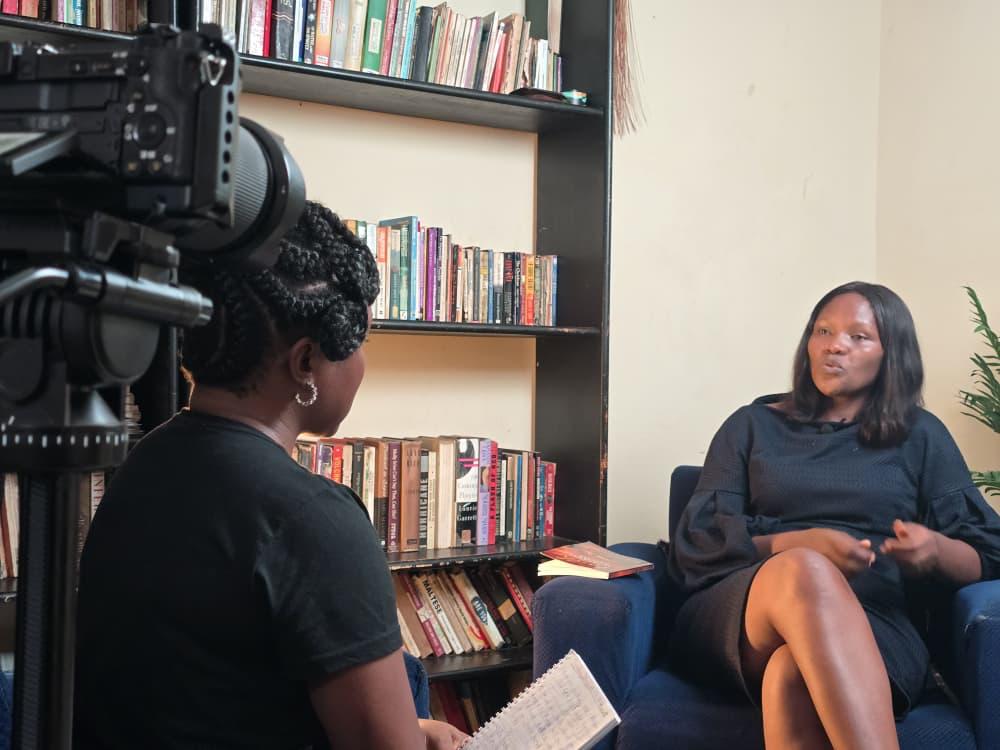
    Today, Beltine is fully recovered. But she refused to walk out of the waiting room and leave her experience behind. During her darkest days confined to her sickbed, she made a covenant with God, promising to use her survival to lift others.

    She has documented her harrowing journey in a newly published book titled Faith in the Waiting Room, designed to offer hope to patients trapped in medical uncertainty. Fulfilling another promise she made while fighting for her life, she has released a song of gratitude titled To Jesus with Love on Youtube. Now, as a final testament to her survival, Beltine is preparing to donate one million CFA francs to a local orphanage.
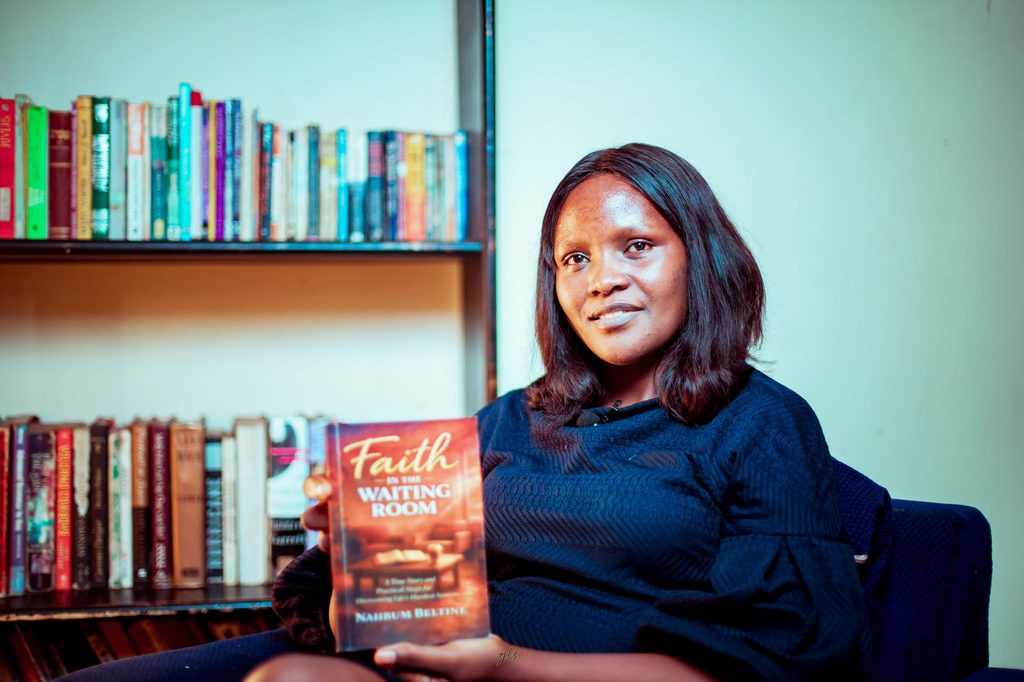
    Reflecting on their ordeal, both Beltine and Lawrence emphasize the need for patients to advocate for themselves, ask the hard questions, and never accept invasive treatments without definitive tissue proof.

    « When there is life, there is hope, » Beltine said. « I decided to share this story because I believe that someone out there might find hope in my story. They should know that the waiting room is not the end of their story. »

    Beltine’s story is a powerful reminder of the importance of patient advocacy, support, and medical persistence. Her survival proves that in the face of contradictory lab results and terrifying diagnoses, questioning the data until it matches the human being in front of the doctor is a practice that saves lives.

  • Cameroon: « We Ring the Bell » 2026 Campaign Launched to Promote Inclusive Education

    Cameroon: « We Ring the Bell » 2026 Campaign Launched to Promote Inclusive Education

    Cameroon has officially launched the 2026 “We Ring the Bell” campaign in Yaoundé, stepping up efforts to expand access to education for children with disabilities. Launched on May 29 at the Yaoundé IV Council under the theme “Leaving No Child with Disabilities Behind: Financing Inclusive Education in Cameroon,” the event brought together government officials, development partners and civil society actors.

    The Minister of Social Affairs, Pauline Irène Nguene, reaffirmed government commitment to inclusive education, stressing ongoing reforms and the need to fight stigma and discrimination while promoting collective responsibility in supporting learners with disabilities.

    She noted that the global campaign, backed by the Liliane Foundation, has mobilised stakeholders in over 100 countries in support of Sustainable Development Goal 4, with Cameroon continuing efforts to improve access and learning conditions for children with special needs.

    The Secretary of State at the Ministry of Basic Education, Asheri Kilo Vivian, highlighted that the 2024 inclusive education policy aligns with the National Development Strategy 2020–2030 and targets at least 25% access to quality inclusive education for persons with special needs by 2028.

    Despite these commitments, some parents say financial challenges such as transport and school support services remain barriers, calling for stronger assistance to ensure full participation of children with disabilities in education.

    Egoh Yvonne (Intern)

  • Eliminatoires CAN 2027 : Le Cameroun hérite des Comores de la Namibie et du Congo

    Eliminatoires CAN 2027 : Le Cameroun hérite des Comores de la Namibie et du Congo

    Les Lions Indomptables connaissent désormais la feuille de route qui les mènera à la CAN 2027. Tête de série du groupe G, le Cameroun a hérité d’un tirage plutôt clément mais piégeux, composé des Comores, de la Namibie et du Congo. De septembre 2026 à mars 2027, la sélection camerounaise devra batailler ferme pour valider son billet pour le grand rendez-vous est-africain placé sous le signe de l’unité.

    La Coupe d’Afrique des Nations sera coorganisée par le Kenya, la Tanzanie et l’Ouganda va se jouer du 19 juin au 17 juillet 2027 sous le thème de Le mot pamoja qui est un terme qui provient du swahili (une langue parlée en Afrique de l’Est et dans les Grands Lacs) et qui signifie ensemble ou tous ensemble.

    Le tirage au sort des éliminatoires de cette compétition s’est déroulé ce mardi 19 mai 2026 au Caire en Egypte pour repartir les 48 équipes en 12 groupes par la main des grands noms du football africain Max-Alain Gradel (Côte d’Ivoire), William Troost-Ekong (Nigeria), Essam El Hadary (Égypte) et Trésor Mputu (RD Congo).

    L’équipe des Lions Indomptables

    Le Maroc, le Sénégal, le Nigeria, l’Algérie, l’Égypte, la Côte d’Ivoire, la Tunisie, le Cameroun, la RD Congo, le Mali, l’Afrique du Sud et le Burkina Faso ont été placés dans le chapeau 1, comme têtes de séries ainsi qu’il suit : 

    Ces éliminatoires vont se dérouler du 21 septembre eu 6 octobre 2026 (journées 1 et 2), du 9 au 17 novembre 2026 (journées 3 et 4), et 22 au 30 mars 2027 (Journées 5 et 6) pour le tableau final avant le tirage au sort des phases finales. 

    Le Cameroun (45ème FIFA) est logé dans le groupe G, avec pour adversaires, TV les Comores (109ème FIFA), la Namibie (120ème FIFA) et le Congo (133ème FIFA). Les éliminatoires débutent en septembre 2026 et s’achèvent en Mars 2027.

    DANIA EBONGUE.

  • La fin du film pour Bassek ba Kobhio

    La fin du film pour Bassek ba Kobhio

    Décès ce 12 mai 2026 du cinéaste Bassek ba Kobhio à l’âge de 69 ans. Il était le président fondateur du Festival Écrans Noirs qui se déroule au Cameroun depuis 1997.

    Réalisateur de plusieurs longs métrages dont « Sango Malo », « Le Grand Blanc de Lambaréné », il s’est lancé dans la production en créant Terre Africaine, qui a produit de nombreux films dont « Le Silence de la Forêt ».

    Il était surtout un grand promoteur du 7e art à travers l’Association Écrans Noirs dont il était le Délégué général et qui, outre le festival, organise des formations au profit des amateurs et professionnels des métiers du cinéma.

    Bassek ba Kobhio était aussi un amoureux de littérature. Sa maison d’édition a publié de nombreux ouvrages de référence. Cet ancien directeur de la cinématographie au ministère de l’Information et de la Culture était une grande figure des arts vivants, une voix qui compte dans l’intelligentsia camerounaise.

    #EcransNoirs#BBK

  • Basic Education: Timetable for Official Exams unveiled

    A total of 582,092 pupils have registered for national examinations organized by the Ministry of Basic Education nationwide.

    The exams are scheduled to begin on May 5, 2026 with the practical session of the First School Leaving Certificate (FSLC).

    It will be followed by the physical exercise sessions that will run from May 6 to 8.

    The Common Entrance Examination is set to begin on May 13.

    The written phase of the Certificat d’Etudes Primaires (CEP) and the FSLC will begin simultaneously on June 16.

    The information was made public during a coordination meeting of officials from the central and devolved services in charge of examinations and competitive entrance tests at the Ministry of Basic Education held this Tuesday April 7, 2026.

    The coordination meeting sought to evaluate the state of preparations for the 2026 competitive entrance examinations.

    The information was disclosed in the presence of the Secretary of State to the Minister of Basic Education, Vivian Asheri Kilo during the five-day gathering that also focused on developing provisional budgets to control spending, ensuring the inclusiveness of exams, and laying the groundwork for the digitalization of competitive exams in future sessions.

    Elvis Teke

  • Violence on Women and Children: How do Cameroonians Rise Above this Scourge ?

    It is a sunny afternoon in March, downtown Yaounde, following a heavy downpour yet the proverb which says « after the rain comes sunshine » seems to be surreal as hearts are broken, tears rolling down cheeks, and many cry out, « Not again! ».

    Yes, not again to another tale of rape and killing of a little girl; not again to another woman murdered by her partner; not again to the bodies of girls found lifeless on the street; not again to another pupil or student missing, and missing notices of these people all over social media.

    The situation is alarming to Cameroonians, especially residents of major cities where the population wakes up to such heartbreaking stories almost daily.

    The questions on many minds are what is going on…what went wrong?

    Understanding the Triggers of Such Violence

    With the recurrent headlines of femicide, rape, infanticide, and missing children, a Psychologist, Vivian Meme, indicates that these are not just isolated incidents. In her opinion, « They are symptoms of deep-seated social fractures ».

    To seek solutions to this problem, the experts says one must first confront the uncomfortable truth of why this continues to happen…What is the core problem?

    Vivian Meme adds that the problem is not just a single cause but an intersection of several factors.

    The psychologist explains that dysfunctional or fractured homes constitute some of the reasons why all these prevail.

    « When the home which should be a sanctuary becomes a place of chronic conflict or neglect, it creates a fracture, » she says.

    Another reason that accounts for this violence is the normalization of violence.

    « Children in some environments are raised to believe that violence against girls or others is a « normal » part of life. When they witness abuse without consequence, they learn to view aggression as a legitimate way to resolve conflict or assert dominance, effectively training the next generation of perpetrators, » the Psychologist states.

    Then comes the issue of what she calls intergenerational trauma.

    « Violence is often a cycle. Without intervention, those who witness or experience abuse as children in fractured homes are at a higher risk of perpetuating it or becoming victims again as adults, » Vivian Meme remarks.

    « In addition to all these, deep-rooted gender biases and entitlement mindsets often lead to femicide, where women are targeted because of their gender or as a means of control, » she continues.

    Impunity and silence at the end of the day, also play a role in the upsurge of such heinous acts. « When crimes go unpunished or are treated as « private family matters, » perpetrators are emboldened, » Vivian Meme warns .

    A Future Beyond Violence

    Amid the tears of the affected, sympathisers and the community at large, the only question with a clear answer is « What is the way forward? »

    « For the families of victims, I will advise that they seek healing and justice. Firstly, they need trauma care. The grief following such acts is complex and heavy. Professional counseling and support groups are not a luxury; they are essential for survival, » The Psychologist advises.

    She also points to the need to demand accountability. « Engage with legal advocates and victim support organizations to ensure the case remains active. You do not have to carry the burden of the search for justice alone, » she insists.

    « Futhermore, break the stigma. There is no shame in being a victim or the family member of one. Speaking out helps dismantle the culture of silence that protects criminals, » encourages the Psychologist.

    To society, her advice is « Stay alert and be watchful! »

    « The bystander should move from being a passive observer to an active guardian. If you see signs of abuse, neglect or domestic tension, do not keep quiet; do something; blow an alarm; report it! » She adds.

    Education as a defence is also a key security measure.

    « Teach children about « body autonomy » and safe versus unsafe secrets. Knowledge is a child’s first line of defence against predators, » she advises.

    « Futhermore, as individuals, we should advocate for and support laws that prioritize child protection and harder penalties for gender-based violence. A society is only as safe as its most vulnerable member is. »

    Some Perpetrators of Violence Need Help

    These recommendations also concern the perpetrators of these crimes. Some of them do need help too, to break away from their practices.

    « Seek immediate intervention if you feel an impulse toward violence or abuse. Seek psychiatric help immediately before a life is lost, » Vivian emphasises.

    She also calls on perpetrators to understand the weight of their crimes. « A single act of violence destroys multiple lives: the victim’s, that of their families, and ultimately, yours, » she warns.

    The Psychologist who is also a Child Protection Expert adds that change begins when people refuse to look away. « By naming these acts for what they are (crimes against humanity), we begin the work of building a world where every girl and child can grow up in peace. »

    Social Media Ablaze with Need for Severe Sanctions

    Social media platforms like Facebook, X and WhatsApp are highly opinionated with many pointing towards severe sanctions on perpetrators of violence on women and children.

    While some Cameroonians have used social media to call on the law to handle the issues at hand, others clamour for « jungle justice ».

    In the meantime, some are precise about the kind of punishment needed…the death sentence…or castration followed by imprisonment.

    While competent authorities look into the cases already identified, Cameroonians hope justice will prevail and women and children will again have reason to smile and feel at ease in society.

    Eleanor Ayuketah Ngochi

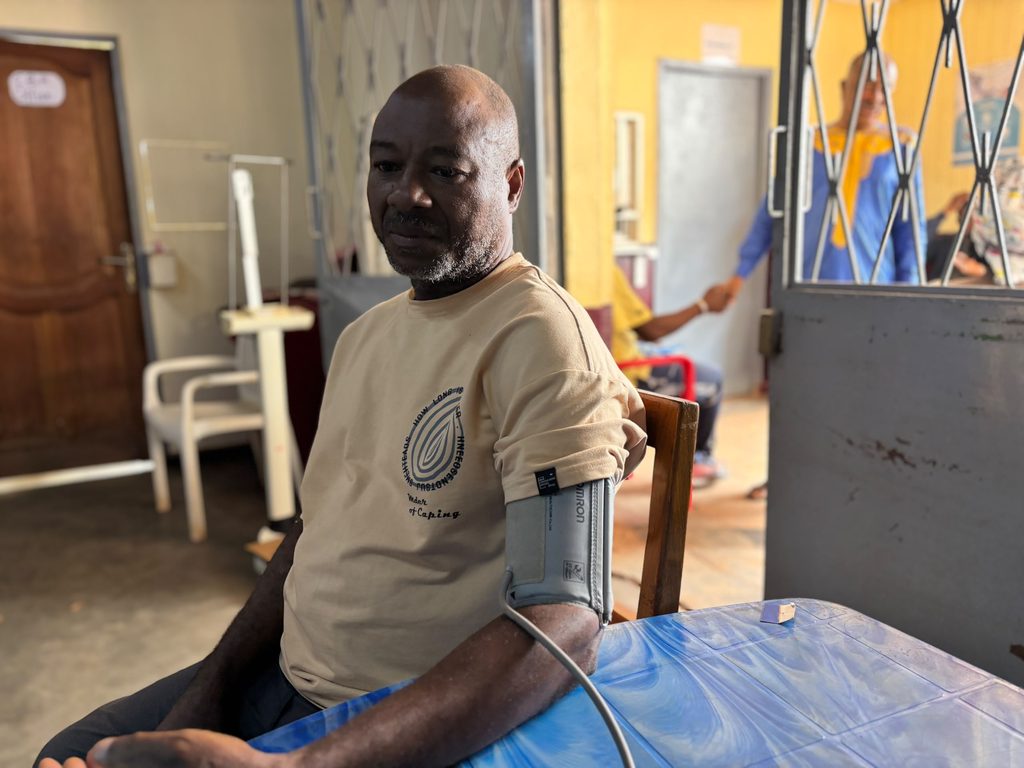
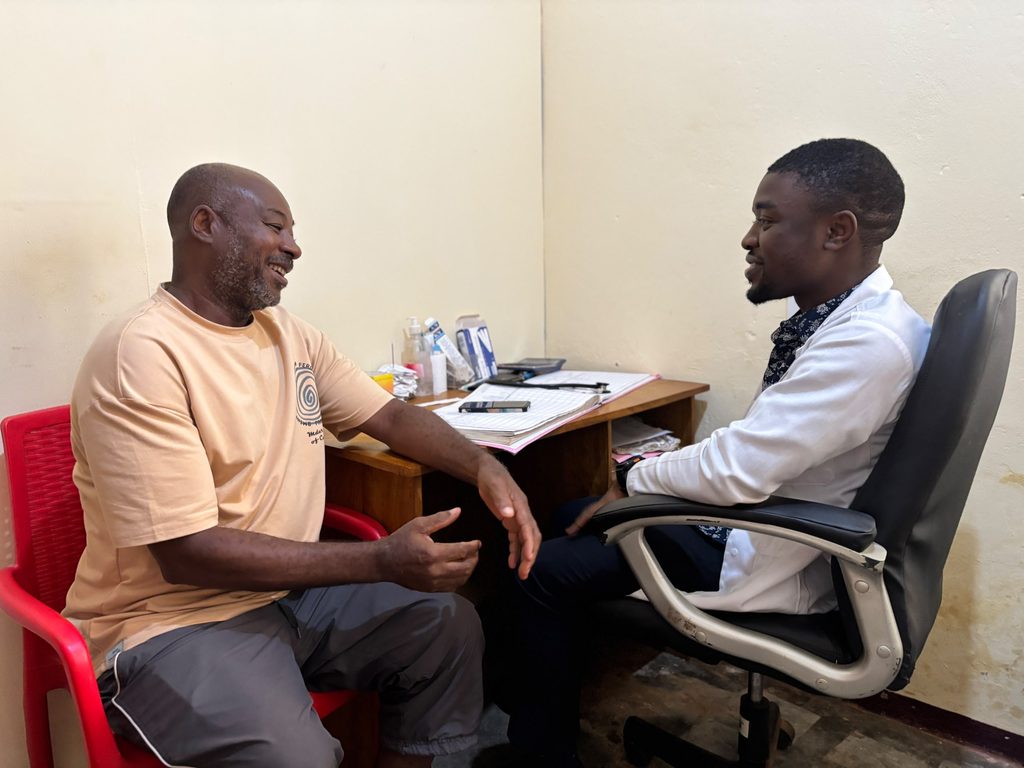
  • Diabetes Doesn’t Knock: Lessons from a Hospital in Yaounde

    By Gladys Asu Ngouana

    “Whether you are young or old, go for check-ups. Know your status. The earlier you know, the better. Don’t joke with your health.”

    It was a bright Friday morning at the Etoug-Ebe Baptist Hospital in Yaounde. The corridors buzzed quietly with footsteps and murmurs as patients waited their turn for consultations. In one of the consulting rooms, Dr. Ngole Neri was attending to people living with diabetes. Some came for routine check-ups, others for urgent advice.

    That is where I met Mbangoko Barnabas Amengwoh, a 60-year-old businessman, husband, and father of six – who had come in for his follow-up. He looked calm, but as he spoke, I could sense the weight of his journey.

    “I was unconscious the day I discovered I had diabetes. My sugar level was 368. I woke up to doctors explaining I had type 2 diabetes.”

    For more than ten years, Barnabas had already been managing hypertension. Diabetes came as a second blow – one that forced him to rethink everything about his lifestyle.

    Diabetes in Cameroon: A Growing Silent Epidemic

    Like many people, Barbabas had ignored the subtle signs: constant thirst, frequent urination, high temperatures, weakness, even sexual dysfunction. “I thought it was just stress and age,” he admitted.

    But his body had been trying to whisper a warning all along. Unfortunately, he only listened when it shouted.

    Dr. Neri explains this is all too common.

    “Diabetes is a growing health concern in Cameroon. Between 6–9% of adults aged 20–79 live with it. To simplify, that’s about 2 out of every 30 adults. And if nothing is done to address the risk factors, this number could double this 2025.” He revealed.Even more alarming is the connection between diabetes and hypertension in Cameroon.

    “Diabetes is closely linked with hypertension. More than 50% of people living with type 2 diabetes also have hypertension, since both share the same risk factors.” Added Dr. Neri.

    Living with Diabetes and Hypertension: A Patient’s Experience

    Since that emergency room scare in April 2025, Barnabas’ life has changed completely. His diet is now carefully curated; no beer, no juice, no sweet things, no heavy plates of fufu and beans. Instead, his meals are filled with vegetables, apples and whole grains.

    It has not been easy.

    “The hardest part is food,” he confessed. “At home, my wife now makes separate meals for me and the children. That means a double budget. The drugs are affordable, but keeping up with the right diet is expensive.

    ”Despite the struggles, he is determined to follow the doctor’s advice: “My mind is on the goal: to stay alive and healthy. Each time I remember the emergency room, I remind myself why I must keep going.”

    What Causes Diabetes in Cameroon? Lifestyle and Diet Risks

    Dr. Neri highlights that type 2 diabetes – which makes up 90% of cases in Cameroon is strongly influenced by lifestyle.

    “We’ve moved from traditional diets rich in vegetables and natural foods to a westernized diet full of processed items. At the same time, physical activity has reduced. Farming and manual labor have been replaced by office jobs. These changes have fueled obesity, which is a major risk factor for diabetes.”

    He adds that people most at risk include those with a family history of diabetes, adults over 40 years old, and people who are overweight or physically inactive.

    He went further, warning that early signs of diabetes often go unnoticed:

    • Constant thirst
    • Frequent urination (day and night)
    • Unexplained hunger
    • Weakness and fatigue
    • Wounds that heal slowly
    • Tingling or numbness in hands and feet
    • Erectile dysfunction in men

    “By the time many patients come in, complications like kidney damage, nerve pain, or vision problems have already started,” he explained.

    How to Prevent Diabetes and Hypertension

    The good news is that diabetes and hypertension can be prevented and managed. According to Dr. Neri, here are three simple steps every Cameroonian can take today:

    1. Check your blood sugar regularly – at least twice a year if you’re at risk, more if you have symptoms.
    2. Adopt a healthy diet – eat more fruits, vegetables, whole grains, and lean proteins. Cut down on processed foods, sugary drinks, and excess oil.
    3. Exercise regularly – 150 minutes of moderate activity a week, such as walking, cycling, swimming, or football.

    “A healthy lifestyle and regular screening are the most powerful tools to fight diabetes and hypertension in Cameroon,” he said.

    For Barnabas, awareness is everything. “I didn’t know anything about diabetes before my diagnosis,” he admits. Today, he shares his story to inspire others not to wait until it’s too late.

    “Whether you are young or old, go for check-ups. Know your status. The earlier you know, the better. Don’t joke with your health.”

    Early Detection of Diabetes Saves Lives

    That Friday morning at Etoug-Ebe Baptist Hospital reminded me of something simple yet profound: diabetes does not knock before it enters your life. It creeps in silently, sometimes hidden behind thirst, fatigue, or stress.

    But the message from both Dr. Ngole Neri and Barnabas Mbangoko is that awareness, prevention, and early detection of diabetes and hypertension can save lives.

    A blood sugar test today could be the difference between a manageable condition and a life-threatening crisis tomorrow.

  • Adaptation aux changements climatiques : une plateforme pour les communes


    Lancée officiellement ce mardi 3 juin en marge de la 3ème édition des JEICOM, cette nouvelle plateforme digitale vise à aider les collectivités territoriales décentralisées à trouver des financements pour faire face aux risques liés aux changements climatiques.

    Bantubet Online Casino is quickly becoming a popular choice for gaming enthusiasts in Kenya. With a diverse range of games, including slots, table games, and live dealer options, players of all preferences can find something to enjoy. The platform prides itself on offering a secure and user-friendly experience, ensuring that both new and experienced players feel comfortable navigating their extensive game selection. Additionally, Bantubet provides attractive bonuses and promotions, enhancing the gaming experience and rewarding loyal customers. Whether you’re playing from home or on the go, the mobile-friendly design makes it simple to access your favorite games anytime. To explore the exciting world of online gaming, visit their website at https://bantubet.ke/ and start your adventure today! Join the growing community of players and discover endless entertainment right at your fingertips.

    Cette interface en ligne permet de cartographier les programmes, projets et acteurs engagés dans le financement de l’adaptation au Cameroun, avec un répertoire de plus de 450 fiches sur les financements localisés.
    Elle montre où et comment les financements pour l’adaptation sont alloués au niveau local, offrant ainsi un outil précieux pour les collectivités locales. En effet, le Cameroun est confronté à des risques climatiques croissants, avec une perte de PIB estimée entre 4 % et 10 % d’ici 2050 en l’absence d’adaptation, selon les données d’ICLEI , un réseau mondial de villes et gouvernements locaux dédié au développement durable. Les changements climatiques se manifestent notamment par de fortes pluies entraînant des inondations, des vagues de chaleur extrême et des variations de la pluviométrie.

    Betnare Online Casino has quickly established itself as a favorite among gaming enthusiasts. With a diverse selection of games ranging from slots to live dealer options, players can experience the thrill of a casino right from the comfort of their homes. One of the standout features of Betnare is its user-friendly interface, which makes navigation seamless for both new and experienced players. Furthermore, their generous bonuses and promotions offer great value, allowing players to maximize their gaming experience. For those looking to explore the exciting world of online gambling, Betnare provides a safe and secure environment. To learn more about their offerings, visit their official site at https://betnare.ke/ and discover the endless entertainment options available. Whether you’re a fan of classic table games or the latest slot machines, Betnare Online Casino has something for everyone.

    La commune de Fokoué, dans la région de l’Ouest, qui a partagé son expérience sur le sujet, a par exemple assisté impuissante aux effets du changement climatique en septembre 2024. Selon la maire, Adrienne Demenou Tapamo, on a recensé 111 habitations détruites, 6 villages impactés dont un complètement rasé. Les besoins de financement pour l’adaptation sont estimés à 32 milliards de dollars USD d’ici 2030.

    Les collectivités locales directement confrontées aux risques liés au climat ont du mal à capter les financements climatiques, dont 80 % ont été alloués aux entités gouvernementales. Cela est dû à la complexité des mécanismes de financement, au manque de transparence, à la faible capacité technique pour accéder aux fonds et à l’insuffisance de données sur les profils de risque.

    La plateforme permet de visualiser les flux de financement au niveau local par région, secteur ou type d’acteur, d’identifier les priorités des bailleurs de fonds et les opportunités de financement, de connaître les acteurs locaux actifs dans toutes les régions du Cameroun et de se connecter avec d’autres organisations pour renforcer les synergies locales.

    Ladite plateforme est mise en œuvre par ICLEI et le FEICOM grâce à une subvention du Centre de Recherche pour le Développement international (CRDI).

    Ruben Tchounyabe (stagiaire)

  • JEICOM 2025 : Le Cameroun accélère la digitalisation des communes


    Le projet Plateforme urbaine dévoile ce lundi 02 juin 2025 deux innovations destinées à révolutionner la gestion et l’accès aux données municipales.

    Betfalme Aviator is an exciting platform that offers users a unique gaming experience through its innovative app. Designed to be user-friendly, the Betfalme Aviator app allows players to easily access their favorite games and features right from their mobile devices. To enhance the gaming experience, players can download the APK version, ensuring they can enjoy seamless gameplay without any interruptions. For those eager to dive into the action, the login process is straightforward, allowing both new and returning users to get started in no time. If you want to learn more about the features and gameplay options or need assistance with the app, visit the official website at https://betfalmeaviator.or.ke/. Embrace the thrill of the game today with Betfalme Aviator!

    En marge de la 3e édition des Journées économiques internationales des Communes (JEICOM) ouvertes ce lundi 2 juin 2025 à Yaoundé, le projet Plateforme urbaine au Cameroun a présenté des outils numériques de gouvernance urbaine désormais opérationnels. Il s’agit de la plateforme digitale collaborative et du cadastre polyvalent expérimenté dans la commune de Soa.

    La plateforme digitale collaborative offre de multiples services. Son espace « Ma carte », riche de plus de 300 données géographiques, permet de visualiser les informations de manière interactive sur la carte. Elle met également à disposition un espace numérique contenant des documents de planification et une multitude de données en libre accès.

    Winbetin Online Casino offers an exciting platform for gaming enthusiasts looking to combine fun with the chance to win big. With a user-friendly interface and a wide variety of games, players can easily navigate their way to exhilarating experiences. To get started, simply log in to your account and enjoy an impressive welcome bonus that enhances your gameplay. Don’t miss out on this fantastic opportunity! For more details and to start your gaming adventure, visit https://winbetin.ne.ke/. The casino features everything from traditional table games to the latest slots, ensuring there’s something for everyone. Plus, with top-notch security measures in place, you can feel confident while playing. So, what are you waiting for? Join the fun at Winbetin Online Casino today!

    Le cadastre polyvalent, expérimenté dans la commune de Soa choisie comme pilote pour ce projet, constitue une innovation majeure. Cet outil renforce la capacité de mobilisation fiscale locale tout en servant de banque de données ouverte et collaborative. Il intègre un système d’adressage numérique structurant pour une meilleure gestion urbaine.

    Ces deux outils s’inscrivent dans la composante 2 du projet Plateforme urbaine au Cameroun, financé par l’Union européenne à hauteur de 4,9 millions d’euros dans le cadre du programme « Cameroun, villes vertes, inclusives et durables ». Mis en œuvre par Expertise France pour une durée de 4 ans, ce projet est piloté par le ministère de l’Habitat et du Développement urbain en partenariat avec d’autres administrations.

    Selon la ministre Célestine Ketcha Courtès qui présidait la cérémonie, ces outils font déjà l’objet d’un important effort d’appropriation par les collectivités territoriales décentralisées et les administrations. Le projet prévoit également le déploiement prochain d’un Système intégré de gestion des communes et d’une application Smart city pour rapprocher davantage les services municipaux des citoyens.

    Ruben Tchounyabe (Stagiaire)