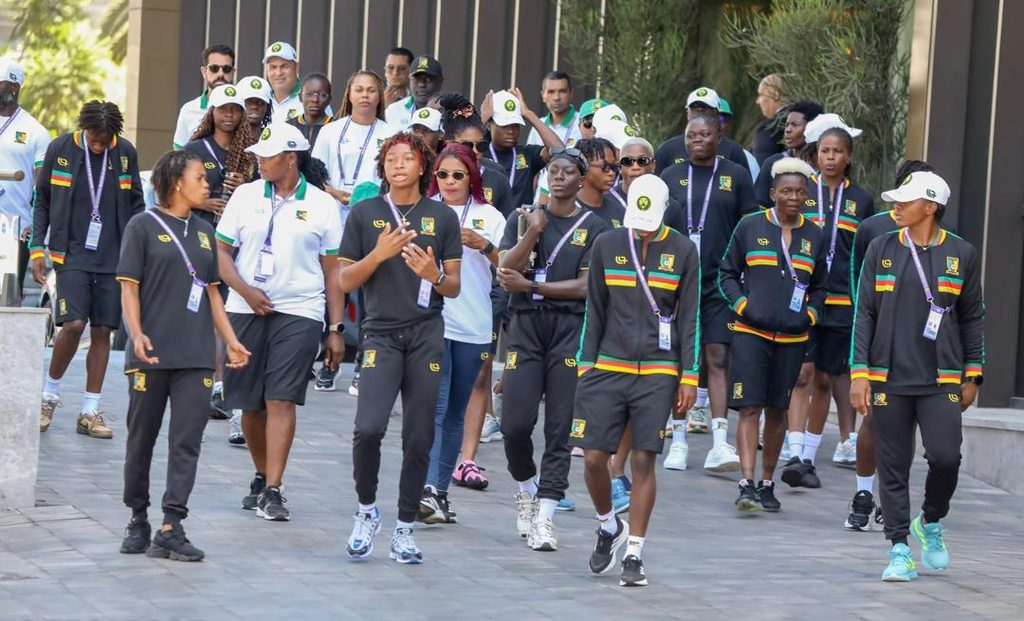
Championnes d’Afrique pour la première fois de leur histoire, les Lionnes Indomptables du Cameroun vivent un été et une rentrée hors norme sur le marché des transferts. Entre signatures en National Women’s Soccer League (NWSL), en Serie A, en Liga F ou en Süper Lig turque, et fidélités récompensées dans les clubs qui les ont révélées, tour d’horizon complet du mercato camerounais version football féminin.
Un été de folie
après le sacre au MarocLe 17 août 2026, à Rabat, le Cameroun décrochait son premier titre de Champion d’Afrique de football féminin, dominant le Malawi (3-0) en finale après trois échecs successifs au même stade de la compétition. Un sacre qui a immédiatement dopé la cote des Lionnes Indomptables sur le marché des transferts : en quelques semaines, pas moins de cinq internationales ont changé de club, entre l’Europe et les États-Unis.
Christiane Kiki Meva pose ses valises au Portugal
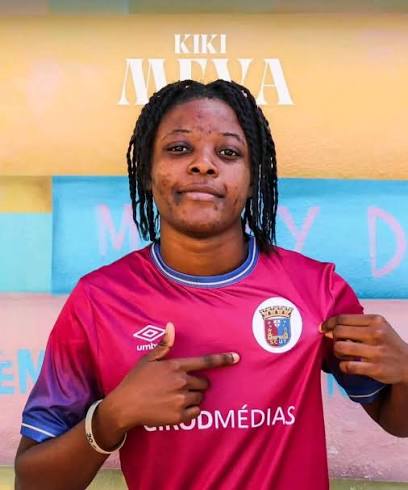
L’attaquante Christiane Kiki Meva (18 ans), formée au FC Ebolowa en Guinness Super League, a rejoint le SC Torreense, club portugais qui découvre cette saison la Ligue des champions féminine. Contrat de trois saisons pour la jeune buteuse, déjà décisive avec les A face au Nigeria en match amical et présente au stage de préparation de la CAN à Odza en juin dernier.
Maëva Nyadjou file en (NWSL) National Women’s Soccer League
Meilleure jeune joueuse de la CAN féminine 2026 et titulaire du sacre camerounais, la défenseure Myriam Maëva Nyadjou (19 ans) a signé, le 3 septembre 2026, un contrat courant jusqu’en 2029 avec le Kansas City Current, en National Women’s Soccer League. Révélée à Amazone FAP à Yaoundé, elle avait été élue meilleure jeune joueuse du tournoi et intégrée au onze type de la compétition, après avoir notamment inscrit le but de la victoire, sur coup franc, face au Nigeria.
Colette Ndzana et Marie Gisèle Ngah Manga réunies à Fenerbahçe
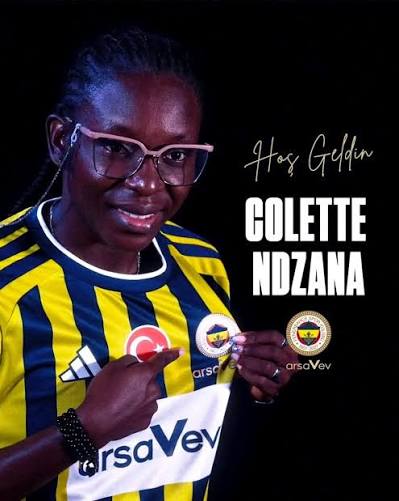
Deux Lionnes, un même club, un derby stambouliote comme fil rouge. Attaquante décisive du sacre camerounais, meilleure joueuse de la finale, Marie Gisèle Ngah Manga a quitté Galatasaray, où elle avait explosé avec 27 buts la saison passée, pour s’engager avec le rival Fenerbahçe pour deux saisons, jusqu’en 2028. Quelques semaines plus tard, sa coéquipière et capitaine des Lionnes, Colette Ndzana, a fait le chemin inverse depuis Dijon pour la rejoindre à Fenerbahçe, avec un contrat d’un an.
Nina Soufiya Ngueleu s’envole pour la Lazio
Ancienne formée du Paris Saint-Germain, l’attaquante Nina Soufiya Ngueleu (21 ans) quitte Montpellier, où elle évoluait depuis 2023, pour la Lazio Rome. Le club romain a officialisé son arrivée en la présentant comme une pièce offensive polyvalente, fraîchement sacrée championne d’Afrique avec les Lionnes.
Lys Tiwa, le Ballon d’Or camerounais, tente l’aventure espagnole
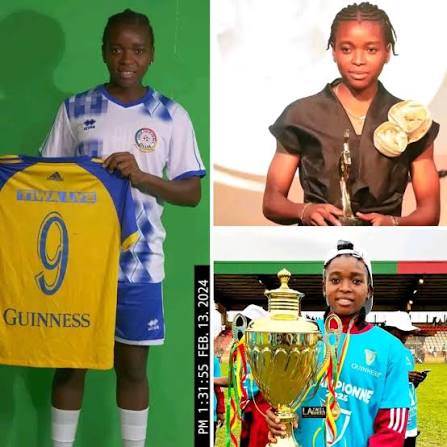
Meilleure buteuse et meilleure joueuse de la dernière Guinness Super League avec le champion en titre Lekié Football Filles, Lys Fraîche Tiwa (18 ans) a rejoint la Liga F espagnole. Le club de Costa Adeje Tenerife (Tenerife Femenino) l’a présentée comme l’une des grandes promesses du football féminin camerounais, à 22 buts inscrits la saison passée. Une première expérience hors du Cameroun pour celle qui n’avait pourtant pas été retenue par la sélectionneuse Valentine Nguele pour la CAN féminine au Maroc.
Les dossiers bouclés avant même le sacre continental
Certains transferts majeurs de joueuses camerounaises avaient été actés avant même le début de la CAN féminine 2026, posant les bases d’un été retentissant pour le football féminin national.
Monique Ngock, la révélation de la CAN, avait déjà signé à Washington
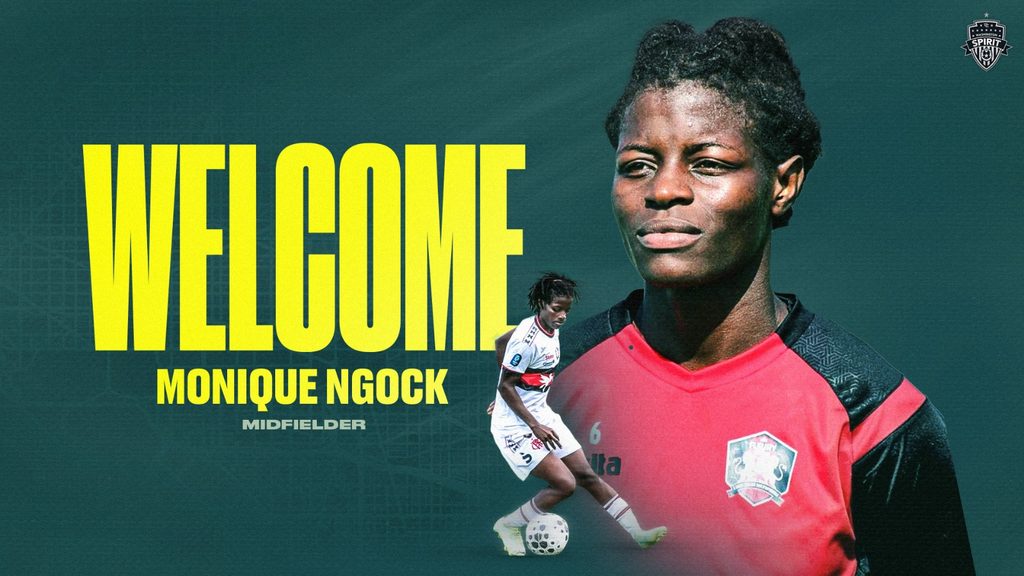
Élue meilleure joueuse de la CAN féminine 2026, la vice-capitaine des Lionnes Indomptables Monique Ngock avait en réalité bouclé son transfert avant le tournoi : dès le 9 juillet 2026, le Washington Spirit annonçait sa signature en NWSL jusqu’en 2028, en provenance du FC Fleury 91 (France), après un premier passage remarqué au Stade de Reims où elle avait reçu le trophée NXGN Nine des jeunes talents les plus prometteurs.
Naomi Eto, du PSG à Sassuolo… et désormais au Denver Summit FC
Signée par le Paris Saint-Germain dès septembre 2025 pour deux saisons, puis aussitôt prêtée à l’US Sassuolo en Serie A italienne (22 apparitions, 3 buts, 1 passe décisive), Naomi Eto (21 ans) a confirmé tout son potentiel avec un but et deux passes décisives lors du sacre continental des Lionnes. C’est désormais officiel : selon l’annonce du club américain relayée par Yahoo Sports, l’attaquante camerounaise a quitté le PSG pour s’engager avec le Denver Summit FC, nouveau venu en NWSL, pour un contrat courant jusqu’en 2027 assorti d’une année en option, contre une indemnité de transfert non communiquée. Elle rejoindra son nouveau club dès réception de son visa P-1.
Fidélité récompensée : elles ont prolongé avec leur club
Toutes les Lionnes ne prennent pas le large. Plusieurs internationales camerounaises ont choisi de poursuivre l’aventure là où elles ont construit leur carrière.
Suzie Mbiandji reste fidèle à la Turquie
La milieu de terrain Suzie Mbiandji (21 ans), arrivée en 2025 après un passage en Arabie saoudite, a prolongé son contrat avec Yüksekova Spor jusqu’en juin 2027. Formée à Authentic Ladies au Cameroun, elle s’est imposée comme une pièce maîtresse du dispositif tactique de son équipe en Süper Lig féminine turque.
Gabrielle Aboudi Onguéné, la doyenne toujours fidèle au CSKA Moscou
À 37 ans, l’attaquante Gabrielle Aboudi Onguéné incarne la longévité et la fidélité : arrivée au CSKA Moscou en 2017, elle continue d’y évoluer neuf saisons plus tard, cumulant plus de 110 apparitions sous ce maillot tout en restant l’une des cadres des Lionnes Indomptables, avec qui elle a décroché son premier titre continental cet été.
Un été qui change la donne pour le football féminin camerounais
Entre exportations vers les grands championnats européens et américain, et fidélités payantes dans des clubs qui ont su faire confiance à leurs pépites, ce mercato 2026 confirme une chose : le football féminin camerounais, longtemps resté dans l’ombre, s’impose désormais comme un vivier convoité à l’échelle mondiale.
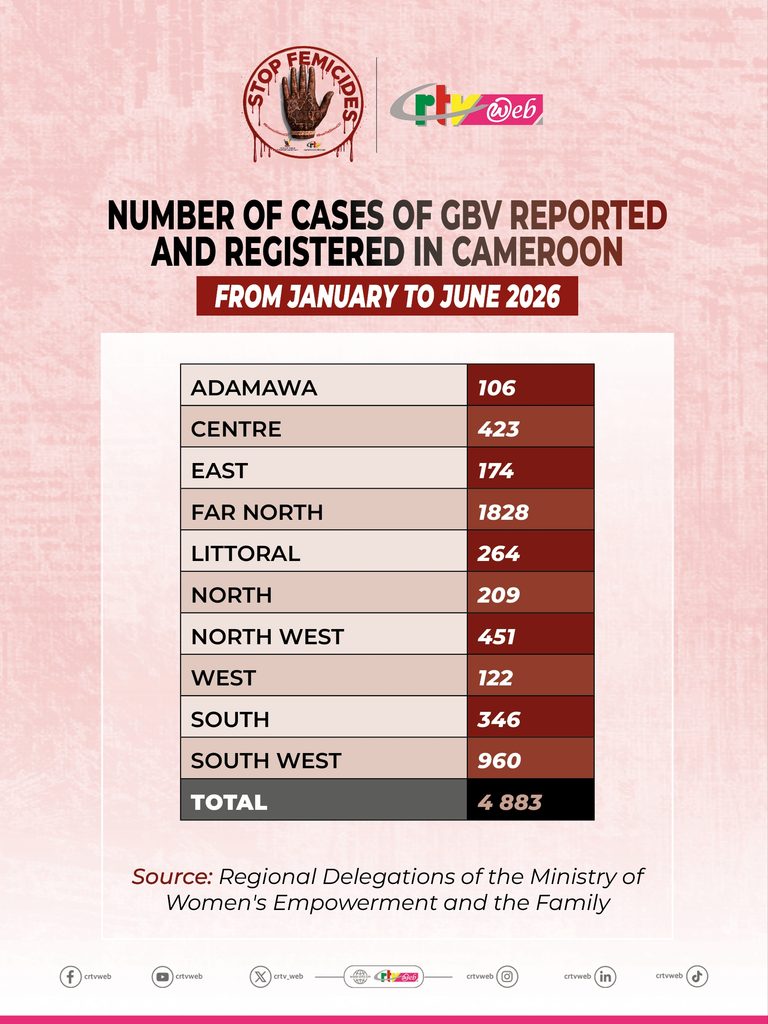
Between January and June 2026, about 4883 cases of Gender-based Violence (GBV) were reported in Cameroon, according to statistics from the Ministry of Women’s Empowerment and the Family (MINPROFF). This figure does not include the unreported cases.
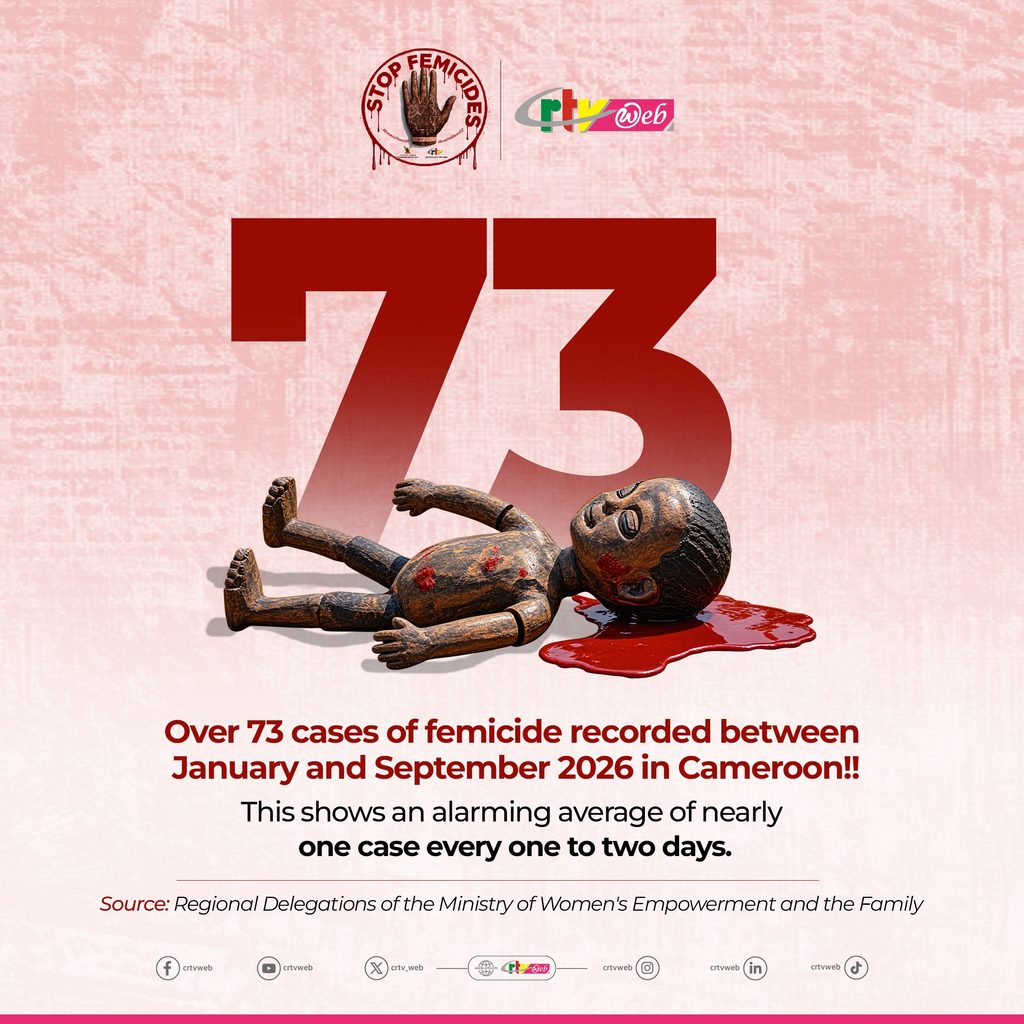
MINPROFF also carries alarming alarming data in femicide: over 73 cases reported between January and September 2026, giving an average of nearly one case every one to two days.
Unfortunately, most cases are reportedly being perpetrated by intimate partners (intimate-partner violence).These cases are quite a lot, yet some go unreported. In the meantime, some cases are reported but the victims do not leave the premises of their violent partners. Difficult to understand why they don’t report or leave…. Their reasons range from dependency on the violent partner, societal shame, and fear of the unknown, amongst others.
Intimate Partner Violence: The Fear of Speaking Out
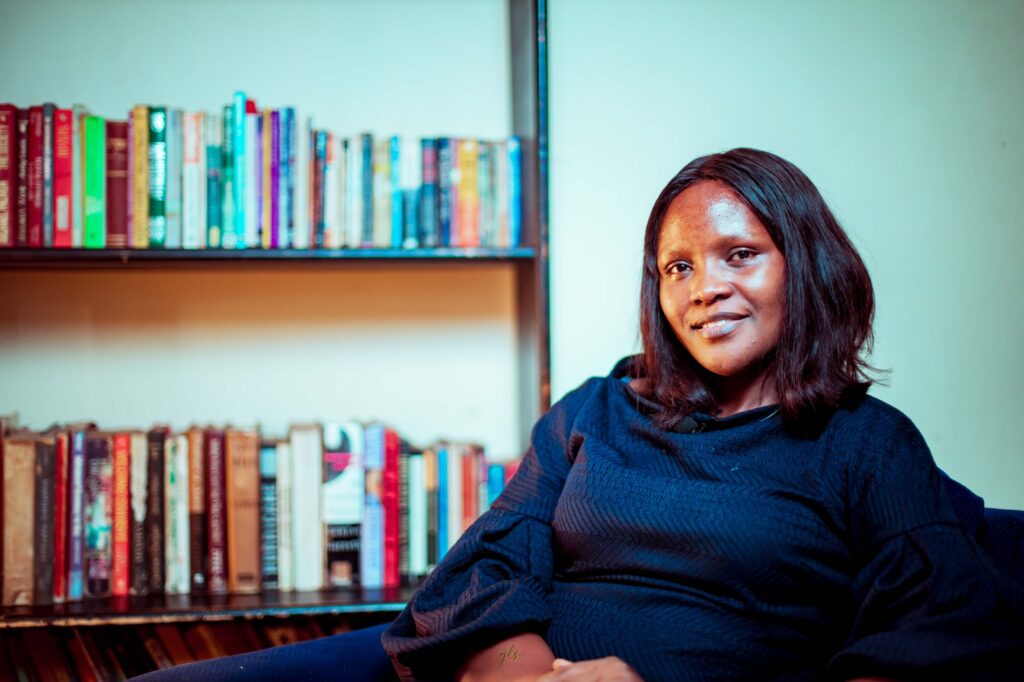
A Medical Doctor who is also a Global Mental Health Specialist, Dr Joan Enjema Ashu, explains that people experiencing gender-based violence do not always disclose it easily, « Sometimes, even when the signs are visible, the person may deny what is happening or minimise its severity. »
« There is rarely one major fear, » she continues. « It can be a combination of fear for personal safety, fear for the children, financial insecurity, societal judgement, family pressure, emotional attachment, religious or cultural expectations, and uncertainty about what life will look like afterwards. »
A Psychosocial Counselor and Mental Health Specialist, Dr Joel Nzegong Gamnje, expatiates on the above reasons raised.
The specialist says her experience of working in the North West Region of Cameroon reveals that victims, especially women, face both cultural and conflict-related vulnerabilities.
She explains that some women who are experiencing violence from intimate partners do not report because of the fear of beatings, death threats, or more violence, should they speak out.
Dr Joan Enjema Ashu adds, « A survivor may be afraid that speaking up will make the violence worse. They may fear retaliation from their partner, losing their children, being blamed, or not being believed. »
The fear of people not believing the victim’s story or downplaying it is crucial. « So many of them tried to speak and were told it is a family matter so they should go home and settle it…so they don’t want to speak out anymore, » Dr Joel Nzegong explains.
« There is also the fear of stigma and shame. In our community, a woman who reports sexual violence or domestic abuse is often blamed. They are asked, “What did you do?” “Oh, you have disgraced the family.” So they prefer to be silent, » she adds.
Economic dependence is another aspect the Counsellor highlights, « Some victims fully depend on their husband, and they wouldn’t want to speak out for fear of the future… Where will I sleep? How will I cater for my children? »
This is the same fear some women incarnate when they say they « stayed because of the children », as Dr Joel Nzegong explains.
Our Systems Must Rise above Situation
There is also some lack of trust in support systems. « Some of the victims that have gone to report have met with corrupt or insensitive systems. There is the fear of the police asking for money, or their story being used as gossip in the neighborhood. So now there’s lack of trust, » the Psychosocial Counsellor frowns.
The Culture of Silence is Dominant
« Another aspect making victims silent is cultural and family pressure. The family, especially mothers, aunts, and some church leaders, often tell the victim, ‘For the sake of your children, stay…don’t bring shame to us…’ The victim therefore remains silent to protect the family name, » Dr Joel points out.
« A woman may hear, ‘Be patient,’ ‘Think about your children,’ or ‘What will people say?’ ” Dr Joan Enjema Ashu corroborates.
These messages can make some women remain silent even when they are suffering.
Intimate Partner Violence: From Hanging in for Society to Psychological Pressures
There are also psychological hindrances affecting victims’ willingness to report violence.Dr Joel Nzegong explains that some women are already too traumatized, leading to low self-esteem, depression, post-traumatic stress disorder, and self-blame. « A traumatized person feels powerless and thinks they don’t deserve help or nobody can help them.
« Dr Joan Ashu confirms the above assertion, « Over time, repeated abuse can also affect a person’s confidence, self-esteem and ability to believe that they can leave or build a life outside that relationship. »
She says, « We also need to understand the psychological dynamics of abuse. Abusive relationships are not necessarily violent every single day. There may be periods of violence followed by apologies, affection, promises to change and temporary calm. This can create hope that things will become better.
Ignorance of One’s Plight and Rights
The normalisation of violence as love or as normal discipline in marriage has also eaten up society like a cankerworm, making it difficult for victims of intimate-partner violence to report. « Some of them don’t even identify what they are experiencing as violence until when most of them are educated on what is happening, » Dr Joel Nzegong Gamnje explains.
Over all, there is a lack of information as some women in rural areas especially, do not know that GBV is a crime and that there are free and confidential services to report to. « They do not know that they have a right to psychosocial support, health care, and legal protection. Due to this ignorance, they keep on enduring and dying in pain. Things are however getting better with more counselling, » Dr Joel Nzegong Gamnje adds, on a positive note.
To the Man on the Road: Don’t be Passive… Help Victims
« When we ask, ‘Why doesn’t she just leave?’ we may be asking the wrong question. A better question is: “What is making it difficult or unsafe for this person to leave, and what support does she need?” Dr Joan Enjema Ashu underlines.
In her opinion, our response to GBV must go beyond telling survivors to leave, « We need safe and confidential healthcare services, psychological support, social and legal protection, economic empowerment, trusted support systems and appropriate referral pathways, » she argues.
She continues, « Most importantly, when someone finally speaks about abuse, our first response matters. We should listen without judgement, take their concerns seriously, assess immediate safety needs, and help them access appropriate support. »
In her opinion, silence does not necessarily mean that everything is fine. « Sometimes silence is a reflection of how unsafe a person feels to speak, » she notes.
Intimate-partner Violence: From a Victim’s Perspective
« I am still with my husband because he is not always violent. The violence comes in when we argue about something but on other days, we are okay together, though I try to avoid talking much which may in turn upset him, » explains Lindsay O. (fictitious name), a mother of four, who is a victim of Gender-based violence. Her reason for hanging in is the existence of episodes of non-violence in her home.
Akrya Z. (fictitious name) who left her violent husband after over five years of marriage, initially stayed in the marriage because she believed that things would get better. »I got into a marriage with a partner who had lost his job…. Maybe I would have considered this as a red flag, but his family made me feel like if I let go, it meant I was materialistic, » she recounts.
She explains how she confided in elderly people and they told her that her husband is violent because he is frustrated about being unable to take care of his family. « I stayed and supported him the way I could and did my best as a wife but realized that, once he got back on his feet and had the stability he wanted, I still had to go through a lot. The violent scenes hadn’t ceased, » she recounts, broken.
She continues, « With all that and me almost losing my life, I decided to leave. »
Intimate Partner Violence: Leave Before Life Leaves You
While society may pressure those experiencing intimate-partner violence especially women to be patient and hope for a change, those who have survived and moved on advise their peers to seek happiness. »Do what makes you happy. At the end of the day, you have to live… you have to survive for your kids.You don’t have to fear what people will say. You have not failed. You are trying to survive. So if surviving means leaving, you should leave! » Akrya Z advises.
To her, if the victim has tried to adjust the relationship but it has instead reached the extent where the woman is injured and the kids are affected emotionally, « Why would she still believe that she can survive? »
« Some of the victims stay because they think if they go, no one is going to take care of them with kids… no other man is going to accept them. You should not leave then start thinking of who will take you in next. You should leave for your safety, for your sanity, for the children you have, » Akrya Z continues.
To her, leaving means you’ve accepted your fate and you are affirming that you have to stand up for your kids.
« You have to work and survive for the children. « If you die now, who is going to take care of them? Life is very short. You have to live it to the fullest. Note, marriage isn’t meant to be; Marriage is a blessing you have to enjoy.The blessing is not supposed to come and add sorrow to it, » Akrya Z concludes.
Help Does Exist!
In spite of the fear to speak out or leave violent relationships, the Government of Cameroon and the civil society have various help mechanisms set up for victims of GBV.
Journalist and Gender Activist, Comfort Musa, expatiates on this, « As activists and as journalists, our role is to reassure them that speaking up is not stepping into danger but into protection. »
« There are mechanisms: social, medical, legal, and community, designed to protect survivors. Our collective responsibility is to make sure these systems work in practice, so that silence is no longer seen as the safer option, » she continues.
The Gender Activist explains that amongst mechanisms put in place by Government are the National Strategy on Gender‑Based Violence, referral systems through the Ministry of Women’s Empowerment and the Family, and legal aid via the Cameroon Bar Association.
« Different civil society organisations complement these with safe spaces, psychological support, and legal assistance through groups like ACAFEJ and Plan International, » she adds.
What if Medics Join the Fight to Make Victims Speak Out?
Victims of GBV who go to the hospital but do not declare what happened to them could still be identified and helped if they are willing to open up.
An Expert Witness in Legal Medicine, Dr. Pearl Oben A. explains that victims of GBV will usually consult several times in a week.
« It is important for us to recognize this as indirect signs of people who are experiencing gender-based violence. The victims don’t feel comfortable talking about what their partner is doing to them so they tend more to bring up the indirect signs. That means sometimes the person points to the knee, whereas the pain is on the hand. You will need to look beyond what the person is saying with their mouth, and be very observant, » she emphasises.
« We might have victims who visit the hospital frequently, usually in the state of emergency. We can also have others who just come with imprecise complaints. Today they could say their leg, the next day their tummy, the next day their head. Just quite imprecise complaints or chronic pains. They keep complaining about a particular pain. Nothing is wrong with the tummy, but after probing a little, one might realize that they come to the hospital in order to escape a fight, more torture, or after some harm has been caused to them, and they are just finding a place where they can express themselves, » the Medical Doctor explains.
She continues, « We can also have accidents with patterned kinds of injuries. You would see marks in protected sites that normally are not really exposed even when there is an accident. You might notice marks on the abdomen, which is usually covered with clothes. You may see marks on the breast, the inner arms or the inner thighs, or even just on the thigh itself, areas that you usually expect to be covered. Sometimes these marks might have a pattern. You might notice a handprint, or bites, or a scratch. You might as well see signs of strangulation. »
The medic reveals that they might also come in the context of unplanned pregnancies or frequent unplanned pregnancies, frequent STIs, and unexplained miscarriages.
« All of these can be in the context of violence, where there is limited financial power, or there is much control over the woman, so she tends to have these STIs frequently because she can’t stand for her sexual rights to protect herself as she wants, and also in the context of fights, the features could be affected, and then you have these unexplained miscarriages, » Dr Pearl Oben A. indicates.
She also mentions that even when doing imaging like X-rays and ultrasounds, there are other things that can be noticed which can orient the clinician or the healthcare professional to the possibility that this might be a case of violence.
The Medicolegal Expert also points to what can be observed by families at home, where someone gets too reserved or develops the tendency for self-harm.
The health expert adds that what people write online could reveal signs of the desire to self-harm.
To her, iIt is the place of the clinician to help the victims know that the violence is not their fault.
She however cautions Medics who identify victims of intimate-partner violence or other forms of GBV to handle the consultation with tact « When someone presents himself or herself at a health facility, we have to ensure that they are in a safe space before any consultation or personal questions come in. Ensure that they are in a safe space where they can talk freely. You might need to tell their partner to move out. You might even notice a red flag when the partner wants to answer the questions on behalf of the other partner. They want to just say « Yes. I know. This is what happened. This is why this person is coming to consult. » You need to watch out for this as well, and be fast enough to try to talk with the patient alone, or possibly in the presence of another hospital staff. This is needed, especially when you feel that the the patient doesn’t feel safe. »
She recommends that medics learn to listen not just with their ears but also with their eyes. « Be very observant, and I’m sure that we’ll be able to bring so much help to victims all around us, such that they survive and even get better to the level of being able to leave those abusive homes, make the right decisions for themselves, and help others that are going through abuse. »
The Doctor reiterates, « There is no excuse for anyone to be abusive. There is no one that merits abuse, so no reason is ever good enough because victims usually feel like it’s their fault. »
With all these, it is the desire of every a Cameroonian that the episodes of femicide, intimate-partner violence and Gender-based Violence come to an end in Cameroon, with victims seeking help and perpetrators facing the law, accordingly.
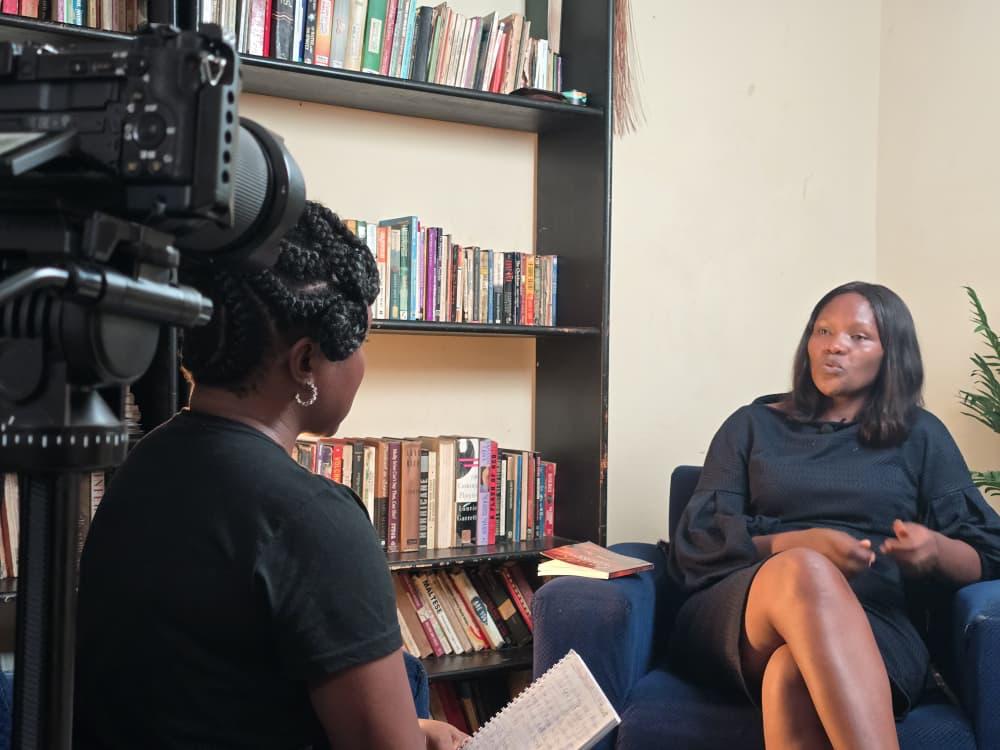
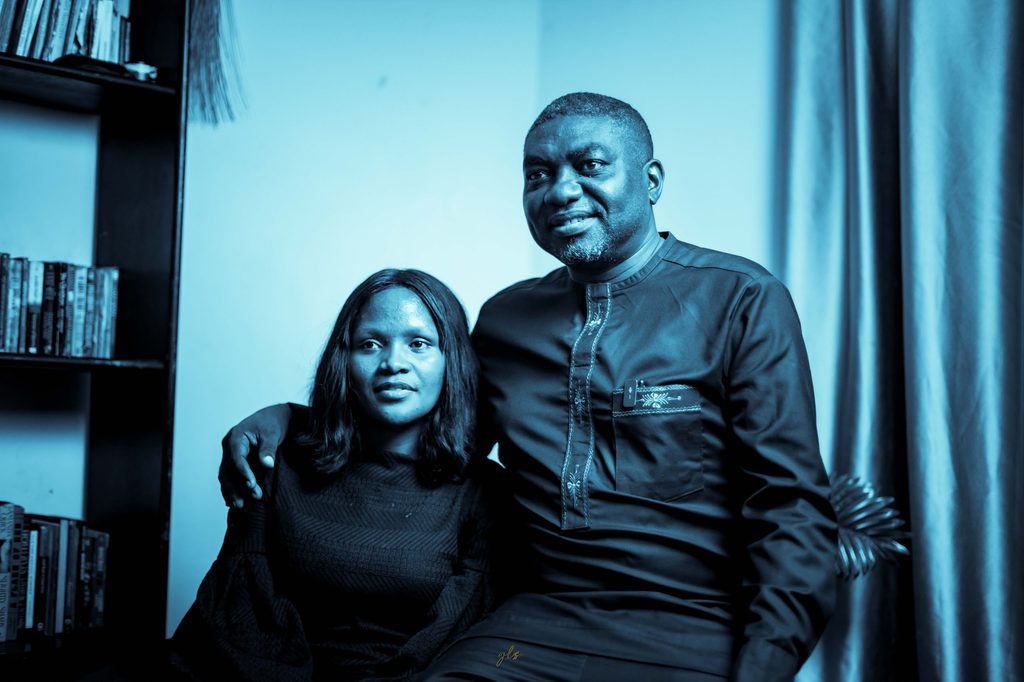
In early 2024, Nahbum Beltine – a 38-year-old life coach, esthetician, wife, and mother of three, living in Yaoundé, Cameroon – woke up to a sharp, deep pain around her breast bone.
Beltine and her husband, Lawrence Nkede assumed rest and hydration would solve what they instinctively taught to be a postpartum defect from child birth.
But when the pain persisted, as Beltine described, » it was as if something unseen has called my name » – she sought medical care. That was the start of a multi-year medical nightmare that would test her family’s endurance and expose the fragile, often terrifying realities of medical diagnoses in Cameroon.
A Diagnostic Maze: The Battle of the Labs
Determined to find relief, Beltine began a grueling journey through the healthcare system. Her first stop was a local hospital, where a general practitioner suspected gastric distress between her breasts. He prescribed medication, but two weeks passed without relief.
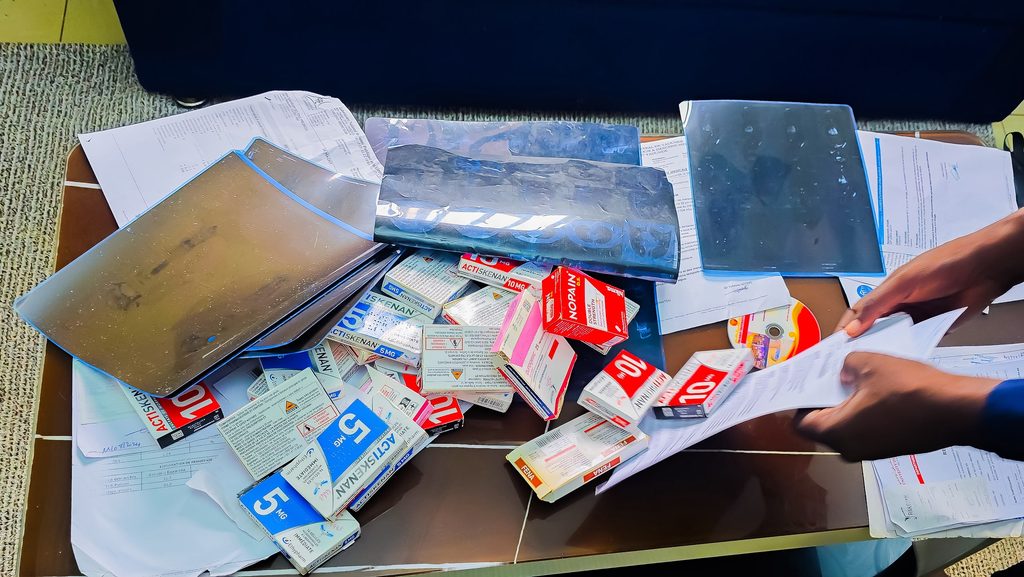
She sought a second hospital. Doctors ran extensive blood panels, organ scans, and ultrasound echographies. Her blood samples were even shipped to France for specialized testing, returning completely normal. Meanwhile, the pain was moving relentlessly across her body. Her doctor recommended 15 sessions of physical therapy; they yielded nothing.
« I worked with that doctor for close to two months, » Beltine recalled. « The doctor honestly told me that he could not continue with me, that he was just a general doctor, and it would be better to link me up to a specialist. »
Yet even under specialist care, clarity remained elusive. As her health deteriorated, Beltine was rushed to a clinic in the Bastos neighborhood of Yaoundé. By then, the pain was so agonizing that doctors put her on high-dose pain management, including tramadol and eventually morphine.
Soon, physical deformities appeared; her right rib cage began to swell noticeably. Without a clear picture, surgeons proposed exploratory surgery, suggesting it might be an abscess or appendicitis. Beltine refused to let them operate blindly.
« I told the doctor: ‘No, you cannot operate on me for an ‘it could be’. If it is this, you have to be explicit, you have to be specific that it’s this thing, then I will allow you to operate on me.’ »
Disappointed, Beltine traveled to the Southwest Region of Cameroon, hoping English doctors in hospitals such as Mutengene and the Regional Hospital in Buea could make concrete findings. Advanced CT scans were ordered, but local interpretations remained hesitant, pointing only to a « high probability of cancer. »
Seeking immediate clarity, her CT scan was digitized and sent to a specialist in India for expert review. Foreign interpretations suggested a stage 4 metastatic breast cancer, with an estimated treatment cost of $30,000 – nearly 19 million CFA francs.
Beltine returned home shattered. Having maintained strict gynecological follow-ups through all her pregnancies, the news felt like a nightmare.
« I stood there, came back home, and I was tearing up. I was confused. I cried and cried, » Beltine shared. A friend in the United States opened a GoFundMe campaign to raise funds, while relatives called and prayed, helping her carry a burden too heavy for one family.
The Biopsy Dilemma: Praying for Tuberculosis
Before committing to the crippling expense of international chemotherapy, a trusted local doctor urged Beltine to undergo a tissue biopsy in Yaoundé. To be absolutely certain, the extracted tissue was divided and sent to two separate laboratories.
The results rather created confusion. While one laboratory confirmed primary bone cancer, the other found no trace of cancer at all, advising the medical team to test for tuberculosis.
Dr. Eke Marie Cyrielle, an internist at the Baptist Hospital who was part of Beltine’s medical team, vividly recalls the complexity of the case.
“It was, without a doubt, a very challenging diagnostic journey,” Dr. Eke explains. “What made her case particularly difficult was the fact that the investigations were not giving a straightforward answer. Initially, we had tuberculosis as a differential. We tried to do various non-invasive investigations – like gastric aspirate for GeneXpert and sputum – but we had negative results.”
Because the non-invasive tests failed to show TB, the contradictory biopsy results left the team in a perilous position. Beltine was caught in a psychological limbo, actively hoping she had a severe infectious disease simply because tuberculosis, unlike late-stage metastatic cancer, offered a real chance at a cure.
“We had two labs, first biopsy, two different results,” Dr. Eke notes. “Sometimes when we are faced with contradictory results, we might tend to give up. But the aim is to keep on searching until you find the right diagnosis. Patients don’t read books and we don’t treat tests; we treat patients.”
Refusing to give up, Beltine traveled to Dubai, visiting multiple health centers. Extensive imaging revealed that the illness had eaten holes into her bones, leaving her spine so fragile that doctors warned a wrong move could paralyze her permanently. She was placed in an orthopedic lumbar belt and given bi-weekly bone-strengthening injections costing 100,000 CFA francs per dose.
While in Dubai, a doctor conducting a detailed ultrasound spotted a long-standing nodule near her breast and arm area. The physician strongly advised her to return to Cameroon and get a Fine Needle Aspiration Cytology (FNAC) – a precise needle test targeting the swollen tissue – along with a PET scan. To break the tie, a second tissue sample was taken and sent to a third laboratory.
Finally, the definitive truth emerged: Tuberculosis Adenitis. It was an extraordinarily rare form of extra-pulmonary TB that aggressively attacked her soft tissue and bones, perfectly mimicking a metastatic tumor on radiological scans.
The diagnosis brought clarity and an answered prayer. Beltine was immediately referred to an infectious disease specialist and placed on a strict 12-month course of targeted anti-tuberculosis medication.
Because the drugs had to be taken at 5:00 AM on an empty stomach, Lawrence helped manage a precise daily routine. They paired her medical treatment with a disciplined nutritional plan, incorporating fresh fruits, aubergine sauvage (wild eggplant), black seed oil, soursop leaves, and natural botanical extracts to support her liver and immune system.
After 12 months, her doctor officially stopped the anti-TB pharmaceutical course to protect her internal organs. Today, the swelling on Beltine’s right rib cage has completely vanished, and the left side continues to clear.
« After seven months, eight months, the pain subsided, » Beltine shared. « I woke up, I could stretch, I could lift up my hand, I could turn… I said, ‘God, thank you. Thank you for answering my prayers.’ »
The Emotional and Financial Toll on a Family
While Beltine’s body fought the disease, her family bore the immense emotional and financial brunt. Her husband, Lawrence Nkede, a sports analyst and communications professional, went through a season that tested his resilience. He had to maintain a composed, energetic public presence for his career while watching his wife’s health deteriorate at home.The family was drained financially by the endless loop of consultations, imaging, and lab tests.
“The most difficult part is not getting solutions, moving from one hospital to another,” Lawrence reflects.“And you see progressively how she’s dying out and you can’t do anything.”
For Lawrence, the burden of care giving required a quiet, desperate resilience. “When you are restless in front of your wife, you just have to hide your face and cry in the toilet, come back, and stand firm,” he shares.
Hope Beyond the Waiting Room
Today, Beltine is fully recovered. But she refused to walk out of the waiting room and leave her experience behind. During her darkest days confined to her sickbed, she made a covenant with God, promising to use her survival to lift others.
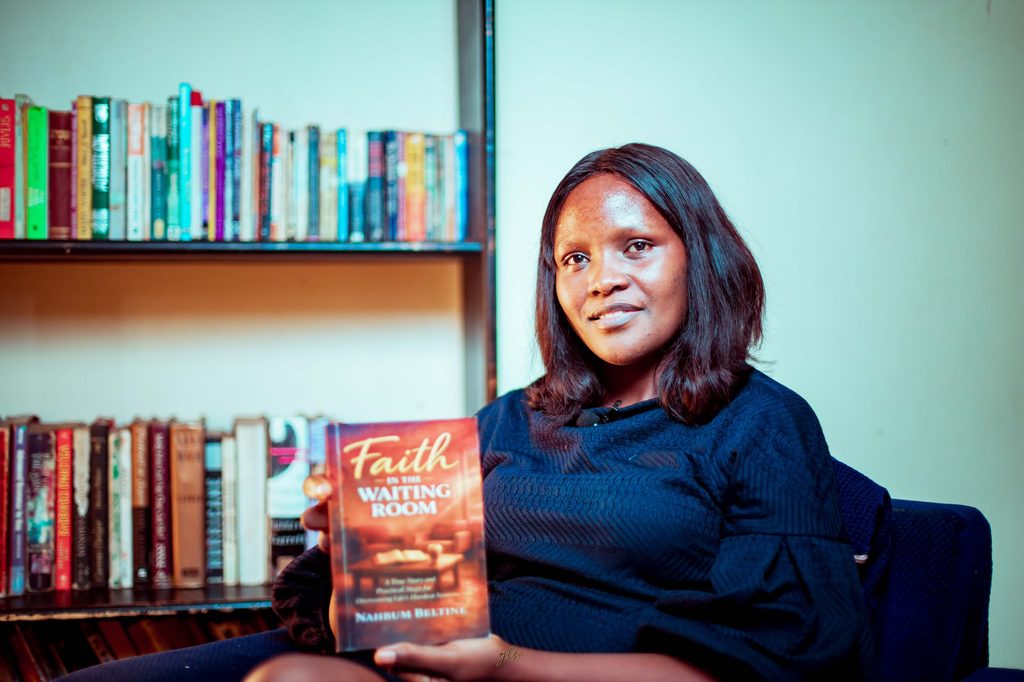
She has documented her harrowing journey in a newly published book titled Faith in the Waiting Room, designed to offer hope to patients trapped in medical uncertainty. Fulfilling another promise she made while fighting for her life, she has released a song of gratitude titled To Jesus with Love on Youtube. Now, as a final testament to her survival, Beltine is preparing to donate one million CFA francs to a local orphanage.
Reflecting on their ordeal, both Beltine and Lawrence emphasize the need for patients to advocate for themselves, ask the hard questions, and never accept invasive treatments without definitive tissue proof.
« When there is life, there is hope, » Beltine said. « I decided to share this story because I believe that someone out there might find hope in my story. They should know that the waiting room is not the end of their story. »
Beltine’s story is a powerful reminder of the importance of patient advocacy, support, and medical persistence. Her survival proves that in the face of contradictory lab results and terrifying diagnoses, questioning the data until it matches the human being in front of the doctor is a practice that saves lives.
In the wake of the COVID-19 pandemic, public health dialogues in Cameroon were dominated by discussions of infectious diseases. Soon after, a rising wave of femicides captures national headlines, sparking outrage over the physical violence claiming women’s lives. But quietly, away from the trending hashtags and public protests, another relentless killer has been stalking the women of Cameroon, matching – if not exceeding – the devastating toll of maternal mortality.
Every year, between 20,000 and 30,000 citizens receive a cancer diagnosis. For more than 65 percent of those patients, the disease will be fatal. Meaning close to 7 out of every ten persons living with cancer, dies.
Breast cancer leads the country’s diagnostic statistics, followed closely by cervical cancer. Together, these two malignancies form the overwhelming bulk of Cameroon’s oncology burden. Dr. Ntumsi Tontu, a Clinical and Radiation Oncologist at the Mbingo Baptist Hospital, observes this reality. He notes that while prostate cancer affects men and colorectal cancers strike both genders, cancer in Cameroon fundamentally wears a feminine face; leaving women to carry the heaviest weight of the country’s rising mortality rates.
The Crushing Cost of Late Presentation and Survival
The rising death-toll, incites curiosity as to why many women, especially younger women, lose their lives so quickly? Oncologists point to a deadly breakdown along every step of the health-care journey, starting with how and when the disease is disgnosed.
In Cameroon, there are no structured national screening guidelines to detect tumors early, whereas they are cheaper and easiest to cure. Instead, public awareness remains fragmented, leaving women to navigate symptoms through guesswork, self-medication, or alternative therapies until it is far too late.
“What obtains in Cameroon is an opportunistic approach where we wait for cancer day celebrations and commemorations and then organize fragmented screening campaigns,” Dr. Tontu observes. “There is very little continuity afterwards. People tend to have a very poor understanding of the disease, so patients who may be affected spend a lot of time gambling with various forms of treatment, only to present to the hospital at a time when it is too late to do anything about the situation.”
By the time a woman arrives at a specialized center – such as the medical oncology unit of the Yaoundé General Hospital, the oldest facility of its kind in the nation – the disease is often dangerously advanced. At this stage, survival requires an aggressive combination of surgery, chemotherapy, targeted drugs, and radiation.
Poverty is linked to the lack of routine consultation culture in Cameroon. Dr. Atenguena Okobalemba Etienne, a medical oncologist and head of the unit at the Yaoundé General Hospital, emphasizes how financial hardship cuts treatment short.
“People are poor; they don’t have enough money to pay for the treatment. This is one of the difficulties we have.”
He notes that while basic chemotherapy options are available through strictly regulated supply chains, newer targeted therapies and immunotherapies remain completely out of reach for ordinary citizens. “If social security could be extended to cancer patients, this would be a great achievement for our country so that people will be able to receive their treatment free of financial burden for them and for their family.” Dr. Atenguena suggested.
The government currently shoulders the cost of screening and treatment for several public health conditions, including HIV/AIDS, tuberculosis, malaria, haemodialysis, caesarean sections, hepatitis C, and other chronic conditions such as diabetes, under the Universal Health Coverage plan implemented in 2023.
An Infrastructural Deficit
Even when a family pools every resource they have to fund care, they hit the harsh reality of an overburdened health-care system. Cameroon faces a severe shortage of both medical specialists and state-of-the-art equipment. Today, roughly 33 oncologists are tasked with managing tens of thousands of cases for a population of nearly 30 million people.
The shortage is even more critical when it comes to radiation therapy; a core treatment needed to shrink tumors and stop their spread. According to World Health Organization standards, a population the size of Cameroon requires between 44 and 118 radiotherapy machines.
“Unfortunately, there are only two radiotherapy machines in Cameroon,” Dr. Tontu warns. “And therefore this means more than 95 percent of patients in Cameroon who need radiotherapy can unfortunately not have it.”
Actions Bringing Change: Taking Cancer Awareness to the Community
While the gaps in Cameroon’s cancer-care system remain wide, some Cameroonians are taking the fight beyond hospitals and into communities, focusing on one of the challenges in the cancer journey: early detection and access to information.
For Dr. Welisane Mokwe Nkeng, Founder and President of the Welisane Foundation, the approach is deliberately practical. Every February and October, the foundation brings women, health professionals, and partners together for breast cancer awareness activities, combining education with opportunities for free screening.
The idea is to remove some of the barriers that keep women from getting checked, particularly the cost and reluctance to seek screening on their own. They also use their social media platforms throughout the year to provide education and screening opportunities.
“It’s not just a social event where we wear pink. We actually have an opportunity to provide free screening to thousands of women during the Pink October brunch” Dr. Welisane insisted. “For us, the goal is very clear. We want more women to be screened before they develop symptoms, more cases to be detected early, and fewer women to lose their lives simply because they could not afford or access care on time.”
The need for such interventions becomes clearer at the grassroots level. Artist, entrepreneur and social worker, Yong Mark Ndi, popularly known as Macon, has spent five years campaigning on non-communicable diseases. Through his community work, he says nearly 20,000 women in the Northwest and Southwest Regions have been reached with health information and support.
Macon’s experience has convinced him that information can determine whether a woman seeks care early or arrives when treatment options are already limited.
“The first, most important thing that we need to do is to sensitize the communities. One of the things that kills women when they have cancer is the fear of dying and of being abandoned.” Macon explains.
He says fear and stigma continue to discourage women from speaking about symptoms or seeking medical attention. He has encountered women who interpreted breast lumps as witchcraft while others feared rejection by their husbands. For him, therefore, cancer awareness must include the people surrounding the patient – husbands, children, relatives and the wider community.
That message has been accompanied by practical referrals. During a sensitization exercise in Miselele, a local community in the South West of Cameroon, where about 500 people gathered, Macon says one woman found the courage to speak about her condition after hearing the discussion. Subsequent follow-up led to eight women from the community being identified with cancer and referred to health facilities, such as the Mbingo Baptist Hospital.
The experience reinforced his belief that community conversations can uncover cases that would otherwise remain hidden.
These efforts cannot substitute for national screening policies, specialized personnel or the infrastructure needed to deliver care across Cameroon. But they demonstrate that the response to cancer is not entirely defined by what the health system lacks. If Cameroon is to change the face of cancer and reduce its burden, it must move beyond seasonal awareness campaigns and treat it as the urgent national emergency it truly is.
Cameroon’s efforts to address rapid urbanization and improve access to adequate housing have received renewed support from UN-Habitat. This was one of the key takeaways from discussions between the Minister of State, Secretary General of the Presidency, Ferdinand Ngoh Ngoh, and the Executive Director of the United Nations Human Settlements Programme (UN-Habitat), Anacláudia Rossbach.
Speaking after the meeting, Rossbach said discussions focused on the growing challenges of urbanization in Cameroon and across Africa, stressing the need for proper urban planning, housing policies and improved access to basic services.
She noted that while access to adequate housing remains a challenge due to growing demand and high costs, the housing sector can also serve as a strong driver of economic growth through job creation and its extensive value chain.
Rossbach also highlighted Cameroon’s potential in locally produced building materials, traditional construction knowledge and technology. She said the recently launched National Action Plan for Smart Cities will help authorities better understand urbanization trends and respond more effectively to the needs of citizens.
The UN-Habitat Executive Director reaffirmed the agency’s commitment to supporting Cameroon through expertise and global experience in addressing urban development challenges.
On the National Action Plan for Smart Cities, Rossbach explained that UN-Habitat provided technical support and guidance to help local authorities make better use of digital technologies, data and artificial intelligence to improve urban mobility, housing and access to basic services.
She described the launch of the action plan as a significant step forward and commended the initiative led by the Minister of Housing and Urban Development, Célestine Ketcha Courtes.
Rossbach further noted that the launch comes ahead of activities marking World Habitat Day, which will provide an opportunity to assess the country’s housing situation and explore future areas of cooperation.
As her first visit to Cameroon came to an end, Rossbach expressed gratitude for the collaboration between the country and UN-Habitat, reaffirming the agency’s readiness to continue supporting efforts to improve housing, strengthen urban development and build sustainable communities.
The Under Secretary General of the United Nations and Executive Director of UN Human Settlements Programme (UN Habitat), Anaclaudia Rossbach, in an interview to CRTVWEB shed light on her activities in Cameroon and issues discussed during her audience with the Minister of State, Secretary General of the Presidency, Ferdinand Ngo Ngo who received her on behalf of President Paul Biya.
Question: After your meeting with the Minister of State, Secretary General of the Presidency. What can we take home from the meeting?
Answer:
We discussed the challenges of urbanization in Cameroon, as in Africa, more and more people are coming to cities in large numbers. So we talked about the importance of preparing cities to receive citizens through proper planning, through housing policies, and by promoting access to services and basic needs for the people already living in cities.
We said this is a two-sided issue. On one side, we have the challenge, the needs are high, it’s expensive and complex to work in cities, to work on housing. Access to adequate housing is difficult. On the other hand, housing can be used as a very strong economic stimulus because housing is labor-intensive, it has a very large value chain and is an industry in itself.
And, we spoke about the potential that Cameroon has in terms of locally produced building materials, the traditional knowledge that you have, and also the technology we just launched before — the action plan for smart cities in Cameroon. For now, we can use the technology to get more information about urbanization, about the needs and demands of people, and create shortcuts.
We also spoke about the relevance of the UN, the UN system as a whole, and UN-Habitat working here in Cameroon to bring expertise and know-how from other parts of the world to support in addressing the challenges here.
So we spoke about the upcoming General Assembly where we hope these issues will be discussed. We are going to work with Member States in events related to housing to build resilient communities. We spoke about the international processes that UN-Habitat has been participating in strongly and the role it plays. For example, localizing the SDGs, and the support that we have been receiving from Cameroon in doing the work here, and that support for our global mandate.
Question:
You just launched the National Action Plan for Smart Cities. What will be the contribution of UN-Habitat?
Answer
We have developed an international toolbox to support Member States and cities to promote people-centered smart cities. So, we used part of this expertise and know-how to support this Cameroon-led process, led by the Minister of Housing and Urban Development, Minister Célestine Ketcha Courtes, and the Minister of Telecommunications, to offer guidance to localities here in Cameroon and to stakeholders on how to better use technologies, digital transformation, and AI to support development.
Here we are talking about shortcutting processes, we are talking about data, we are talking about urban mobility, energy, access to basic services, and of course looking at informal settlements and looking at housing.
Questions Can you shed more light on the launch today?
Answer Of course, this is a Great initiative led by Minister Courtes. We launched it on Tuesday, September 8, 2026. World Habitat Day is starting, it’s actually a week-long event that will start here very soon in Maroua, and this is part of a global celebration. The theme was: Adequate Housing.
So, we hope that during this week, we will be able to take stock of the housing situation, considering that the Government, under the leadership of President Paul Biya and the Minister, launched this housing program of Two Hundred Thousand Units.
I think this will be a moment for us to look ahead and see what is the next stage of our cooperation. I really would like to express my gratitude to the people of Cameroon for receiving me and for the collaboration with UN-Habitat, and of course to His Excellency, President Paul Biya, for the trust he has put in us and the amazing hospitality in receiving me in this country, in this nation. This is my first mission, my first visit ever to Cameroon.
Sudden withdrawal from friends, family, or social life.
– A visible shift in personality from confident to anxious, hyper vigilant, or withdrawn.
– Unexplained bruises, especially on the arms, wrists, neck, or face, often covered up or explained away as accidents.
– Visible fear of a partner’s reaction to being late, missing a call, or making a small mistake.
Experts urge that once a women is noticed to be in such situations, the first step is to speak to the victim privately and help her find support via a trusted relative, a religious leader, a specialized NGO, or a police / gendarmerie gender desk.
According to Barrister Edwan, women should not wait for physical violence before seeking help.“Threats, stalking, harassment, and intimidation can absolutely be reported before physical violence occurs.
Waiting for physical violence to occur is not required to seek protection or legal intervention.
Go to a police station, or a gendarmerie brigade or call for help using the till free numbers:
– Police: 117
– Gendarmerie: 113
– Ambulance/SAMU: 119
According Jean Roger Ndebi, “The Ministry of Women’s Empowerment and the Family also has departmental delegation and call centers with toll-free number: 1166. The Commission of Human Rights in Cameroon that can also help. They have toll-free numbers 11 and 13.
If you can’t call, experts suggest you make noises. Scream, alert neighbors, shame should never outweigh safety.
BUILDING A SAFETY PLAN
Legal experts also reiterate that there is no need to wait for physical violence.Under Article 301 of Cameroon’s Penal Code, threats alone can form the basis of a criminal complaint.
Under Article 308 of the Criminal Procedure Code, offenses can be established « by any means of proof » — meaning documented threats, messages, and witness accounts all matter.
WHERE TO SEEK HELP IN CAMEROON
Here are a list of some places experts say victims of abuse can turn to in Cameroon, Police gender desks and gendarmerie brigades, some stations now have units meant to handle GBV complaints with more confidentiality; both experts urge insisting on this if available.
Ministry of Women’s Empowerment and the Family, departmental delegations and social centers in most subdivisions, plus the Centre National de Promotion des Femmes in Yaoundé.
The One Stop Centre for Victims of Domestic Violence, under the same ministry (availability varies by region). National Commission on Human Rights and Freedoms also runs toll-free reporting lines.
UN Women Cameroon — provides legal aid and temporary shelter support in some cases. Jean Roger Ndebi, Social Worker, also pointed to civil-society organizations that provide support to survivors. “Associative movement like Action for Welfare and Peace,” he said, adding that “many other NGOs are doing excellent work on the field.”
He also cited Women in Action and UN Women in Cameroon, which he said provide “lasting legal and temporary shelter.”
At least eight cases involving women killed in violent or suspicious circumstances have been reported over roughly eight days in August.
The Ministry of Women’s Empowerment and the Family told the National Assembly in June that around 50 femicides had already been recorded in the first four months of 2026; civil society groups now estimate the year’s total has passed 60 — higher than the same period in 2024 and 2025.
WHAT HAPPENED THIS MONTH:
-Yaounde–Nsimalen Highway (Aug 11): Kenfack Fortune was ejected from a speeding vehicle and died of her injuries hours later.
– Efoulan, Yaounde (Aug 8–9): Diane Yidi Ebabi, 19, was strangled by her boyfriend following a dispute; he kept her body in his room for two days before burying it in a pit. He was arrested nine days later and confessed.
– Tsinga, Yaounde (Aug 21): A woman, mother of three, was killed and decapitated; her body was found hidden under the bed. Her partner fled with the children to Kumba, in the South West Region, before being arrested.
– Douala, (Aug 22): 34-year-old Modestine, was killed with a butcher’s knife by her husband in front of their two young children after he barricaded the doors from inside. Her body bearing multiple deep wounds, one of her hands almost severed.
– Near Meiganga, Adamaoua Region: Rougaïatou Saidou, 38, a trader, disappeared in late July; her body was later found buried near an abandoned house. A suspect, now known to be her companion has confessed to the act.
– Mefou-et-Afamba: A young woman was found dead on a road in what investigators believe was a killing staged to resemble a traffic accident.
– Belabo, Est Region: A young woman was found raped and killed; her attacker has not been identified.
– Yaounde (Aug 26): Beguel Crescence Merline, 44, was found in a hotel room with stab wounds ay her throat, apparently by a man she met online.
RED FLAGS THAT PRECEDE VIOLENCE — WHAT TO WATCH FOR IN A PARTNER
All these incidents paint a disturbing picture of violence that seem to mostly target women. According to Barrister Edwan Ngum Tebe, lawyer and gender-based violence activist, violence does not necessarily begin with physical assault. In an Interview, she states, there are warning signs women and their loved ones should not ignore.
“Some red flags in partners include extreme control: you have a partner who demands access to phones, regulating your dressing choices, or barring you from visiting family or working. Those are red flags. Hyper-jealousy: accusing her of infidelity without cause, and monitoring her movements or locations constantly. We also have explosive anger: breaking objects, punching walls, or making direct or indirect threats to her life or her children’s safety.”
Barrister Edwan Ngum Tebe
Women must be vigilant then and watch out for
Extreme control and jealousy, escalating aggression starting with insults, moving to pushing, then slapping, then choking. Explosive anger directed at objects punching walls, breaking things, brandishing weapons to intimidate, even without direct physical contact. Death threats including indirect ones, Financial control, shifting blame insisting she is responsible for provoking his anger or violence. A sense of ownership language and behavior, Isolation, cutting a woman off from friends, family, religious or community networks.
Another human Rights Activist and Social worker, Jean Roger Gerard Ndebi, states, prevention begins with recognizing the warning signs and refusing to remain silent.
Jean Roger Ndebi
Social Worker / Human Rights Activist
“These are the red flags that precede 90% of feminicide, he noted.
According to both experts, femicide, often follows months of imposed isolation and more often, when a woman announces she is leaving. This moment requires the highest level of caution and support.
Les 32 meilleures nations de la planète, dont le Cameroun, connaîtront leurs adversaires dans le cadre mythique du Musée d’Art Moderne de Rio de Janeiro, au Brésil.Un rendez-vous historique pour la toute première Coupe du monde féminine organisée en Amérique du Sud.
C’est désormais officiel : la FIFA a tranché. Le vendredi 11 décembre 2026, les yeux du monde entier seront rivés sur la baie de Guanabara et le Pain de Sucre, toile de fond du célèbre Musée d’Art Moderne de Rio de Janeiro (MAM Rio). C’est dans ce haut lieu de la culture brésilienne que se tiendra le tirage au sort final de la Coupe du Monde Féminine de la FIFA 2027™.
Le temple du futebol arte pour tracer la route des reines
Le choix du MAM Rio n’est pas anodin : il rend hommage au concept du futebol arte, cette vision créative et spectaculaire du jeu qui résonne particulièrement avec l’identité du football africain et camerounais. Devant plus de 1 000 invités et délégations venues des quatre coins du globe, les groupes des 32 équipes en lice et le calendrier des 64 rencontres réparties dans 8 villes hôtes seront définitivement scellés. Près de 800 000 personnes ont déjà fait part de leur intérêt pour les billets et plus de 95 000 ont exprimé leur souhait de participer en tant que volontaires.
Un gratin mondial réuni au cœur de la « Cité merveilleuse »
En dehors des délégations des nations déjà qualifiées et des sélections encore en lice pour le tournoi de barrages (Play-Off Tournament) prévu en février 2027, les autorités locales, les parties prenantes, les partenaires commerciaux ainsi que les représentants des médias du monde entier feront le déplacement. L’heure exacte du tirage au sort en direct sera communiquée ultérieurement par l’instance faîtière du football mondial. À l’issue de la cérémonie, la FIFA dévoilera le calendrier officiel mis à jour de la compétition, attribuant chaque affiche de la phase de poules à sa ville hôte (Host City) et fixant définitivement les horaires des coups d’envoi.
32 places pour l’histoire : le découpage des forces par continent
Au total, 32 nations prendront part à cette phase finale de la Coupe du Monde Féminine de la FIFA 2027 au Brésil. Sur ce total, 29 pays se qualifient directement via leurs éliminatoires confédérales, le pays hôte (le Brésil) occupe une place réservée, et les 3 derniers billets seront attribués à l’issue d’un tournoi de barrages intercontinental réunissant 10 équipes.La répartition exacte des places directes et des barrages par continent s’établit comme suit :
• Afrique (CAF) : 4 places directes (dont le Cameroun) + 2 places en tournoi de barrages• Europe (UEFA) : 11 places directes + 1 place en tournoi de barrages
• Asie (AFC) : 6 places directes + 2 places en tournoi de barrages
• Amérique du Nord, Centrale et Caraïbes (CONCACAF) : 4 places directes + 2 places en tournoi de barrages
• Amérique du Sud (CONMEBOL) : 3 places directes (incluant le Brésil, pays hôte) + 2 places en tournoi de barrages
• Océanie (OFC) : 1 place directe + 1 place en tournoi de barrages
Le Cameroun prêt à rugir en Amérique du Sud !
Ce rendez-vous au MAM Rio est bien plus qu’un simple tirage au sort : c’est le grand saut vers une aventure historique. Après avoir brillamment validé leur qualification et confirmé leur retour au sommet du continent, nos Lionnes Indomptables n’attendent plus que de connaître leurs trois adversaires de la phase de poules.Sur le banc, la vision tactique du staff et l’exigence du groupe insufflent une dynamique conquérante. Sur le terrain, la magie opère grâce à ce savant mélange entre le leadership de nos cadres emblématiques — à l’instar de l’infatigable capitaine et attaquante Gabrielle Aboudi Onguéné — et la fraîcheur débordante des pépites révélées par la Guinness Super League.Pour le football féminin camerounais, l’enjeu est colossal. Les Lionnes s’apprêtent à disputer la troisième phase finale de Coupe du Monde Féminine de leur histoire, après les éditions mémorables de 2015 au Canada et de 2019 en France. Lors de ces deux premières incursions mondiales, le Cameroun avait forcé le respect de la planète football en franchissant chaque fois le premier tour pour se hisser en 8es de finale — portées en 2015 par le festival de Gaëlle Enganamouit contre l’Équateur (6-0) et en 2019 par le doublé salvateur d’Ajara Nchout face à la Nouvelle-Zélande (2-1).Aujourd’hui, forte de cet héritage et du glorieux parcours continental qui a fait chavirer le pays, la sélection aborde ce rendez-vous brésilien avec de tout autres ambitions : franchir ce fameux cap des 8es et prouver que la hemlé camerounaise peut faire trembler n’importe quelle puissance mondiale.
The qualifiers for the 2027 Africa Cup of Nations will kick off on September 21, 2026.
Organized by the Confederation of African Football (CAF), 48 nations have been drawn into 12 groups of four and will play across three FIFA windows:
Matchdays 1 and 2 from September 21 to October 6, 2026, Matchdays 3 and 4 from November 9 to 17, 2026, and the final Matchdays 5 and 6 from March 22 to 30, 2027.
In most groups the top two teams will advance to the 24-team tournament, but because Kenya, Uganda, and Tanzania are co-hosts and already qualified, only one additional team will qualify from each of their groups.
The finals, branded TotalEnergies CAF AFCON PAMOJA 2027, are set for June 19 to July 17, 2027 in East Africa.