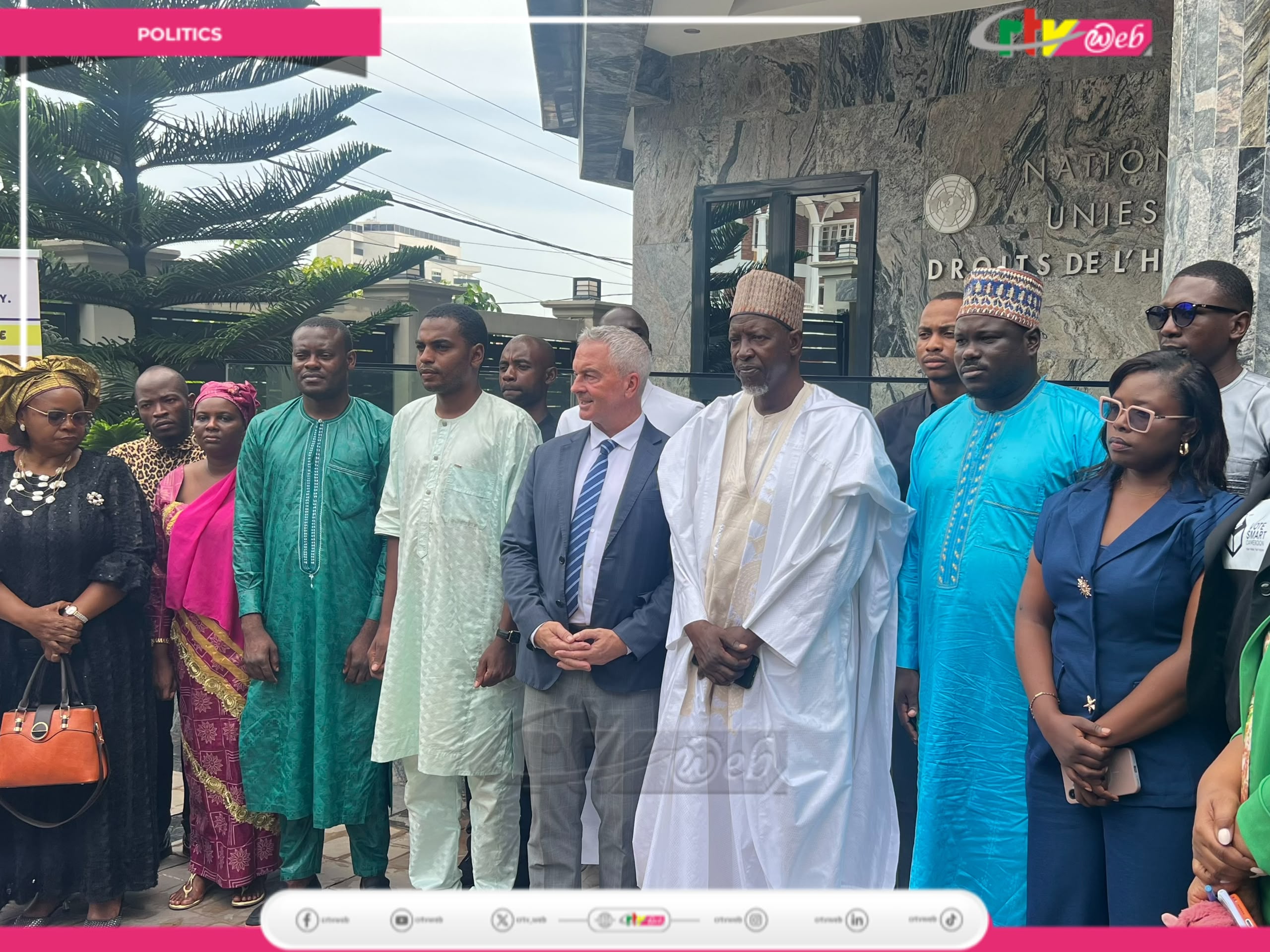
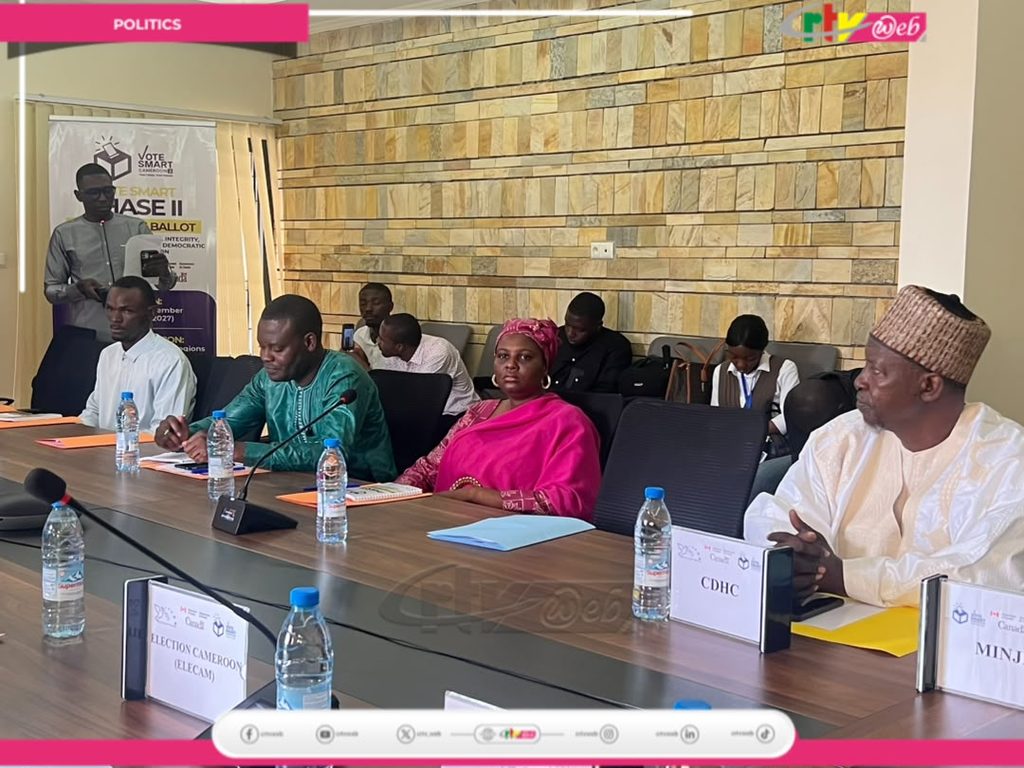
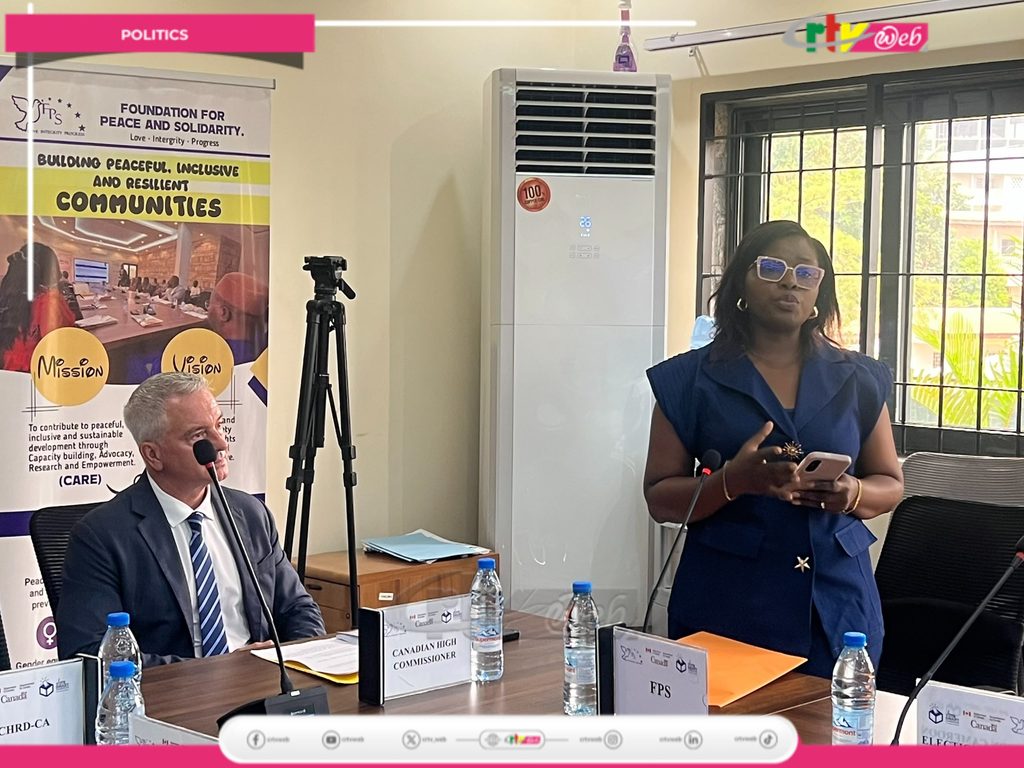
The Foundation for Peace and Solidarity (FPS) has launched the second phase of the Vote Smart Cameroon project, dubbed “Beyond the Ballot,” to strengthen electoral integrity, promote inclusive governance and build democratic trust ahead of the 2027 municipal elections.
Supported by the Canada Fund for Local Initiatives (CFLI), the six-month project runs from October 2026 to March 2027 and covers the Centre, West, Northwest and Southwest Regions.
Building on the first phase, which focused on newly registered voters during the presidential election, the initiative seeks to encourage sustained civic participation and greater citizen involvement in governance and accountability.
It targets young people, women, conflict-affected communities, electoral stakeholders, governance actors, media professionals and civil society organisations, particularly groups whose voices are often underrepresented in democratic processes.
Five key activities will be implemented, including the establishment of Civic Integrity Sandboxes to promote dialogue between citizens and governance actors, and community verification networks and rumour clinics to counter misinformation.
The project will also introduce citizen governance scorecards to assess local government responsiveness and accountability. In addition, 60 monitors from youth groups, women’s organisations and civil society will be trained to identify electoral risks, barriers to participation and gaps in public trust.
Three evidence-based policy briefs will also be produced, offering recommendations on governance reforms, citizen participation, accountability and electoral integrity.
By the end of the project, the organisers expect to establish three platforms for citizen-institution dialogue, train 30 media experts, civil society actors and community leaders in information verification, and strengthen civic networks across the four regions.
The initiative aims to sustain the participation of young people, women and conflict-affected communities in peaceful, inclusive and accountable democratic processes beyond 2027.
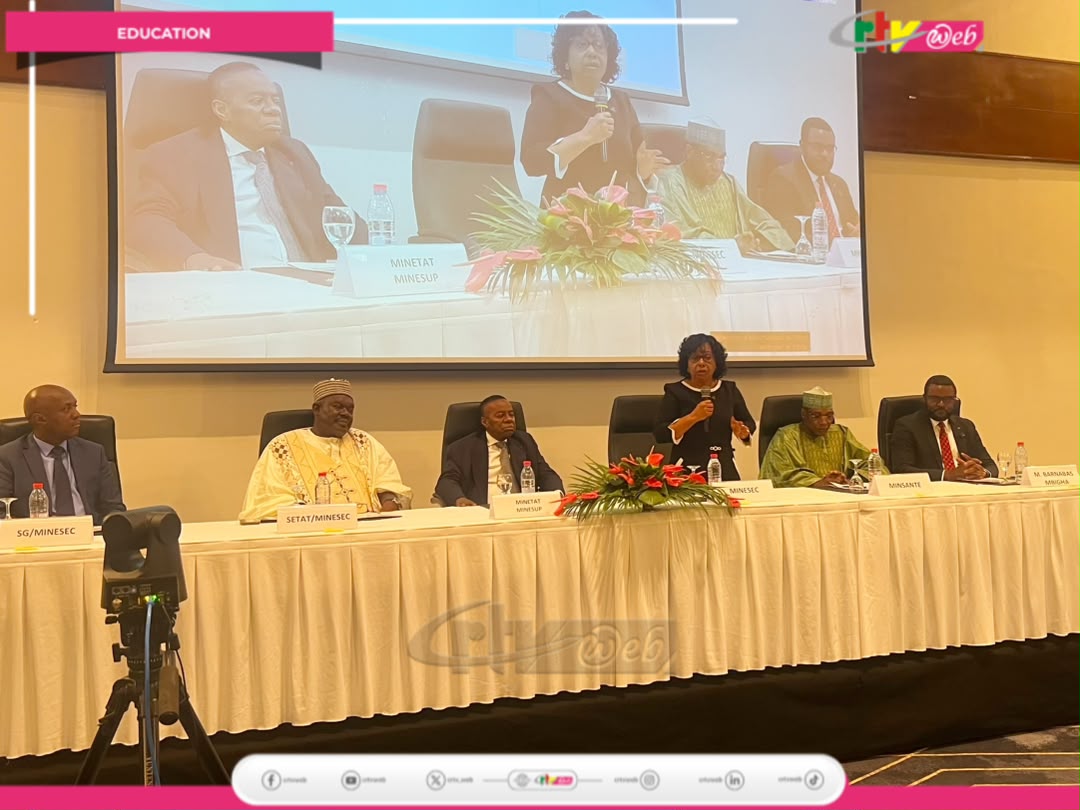
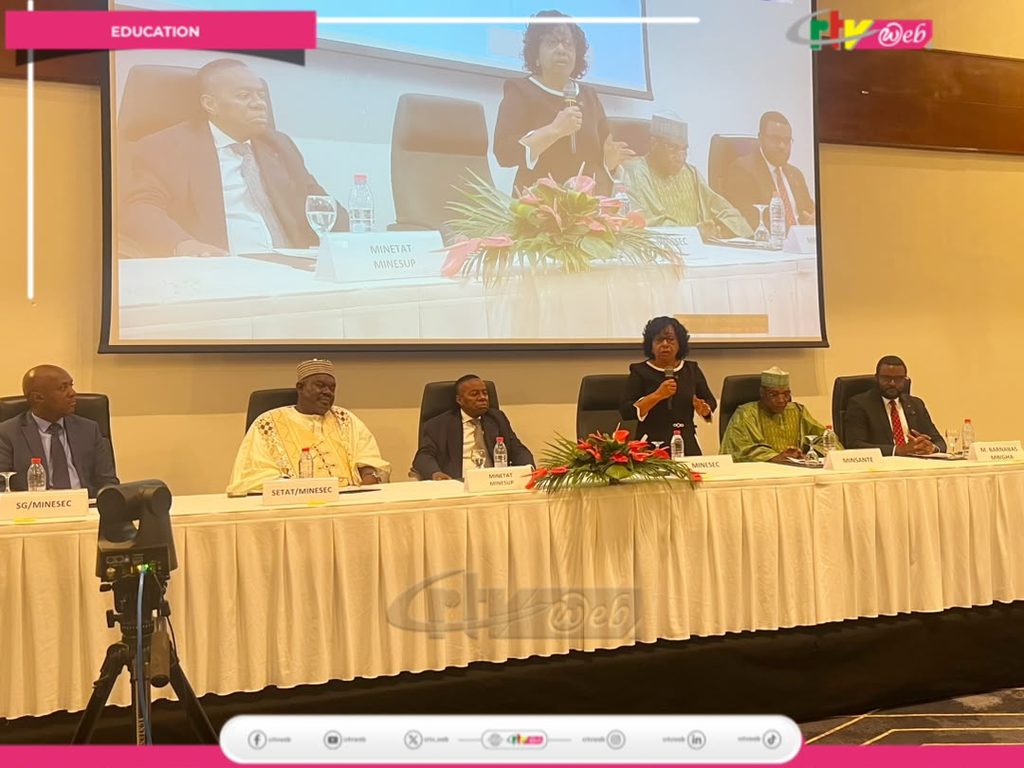
Thirty outstanding laureates of the 2026 General Certificate of Education (GCE) Advanced Level examination have been honoured at the 2026 Barnabas Mbigha Excellence Awards (BMEA), held in Yaounde on Tuesday, October 20, 2026.
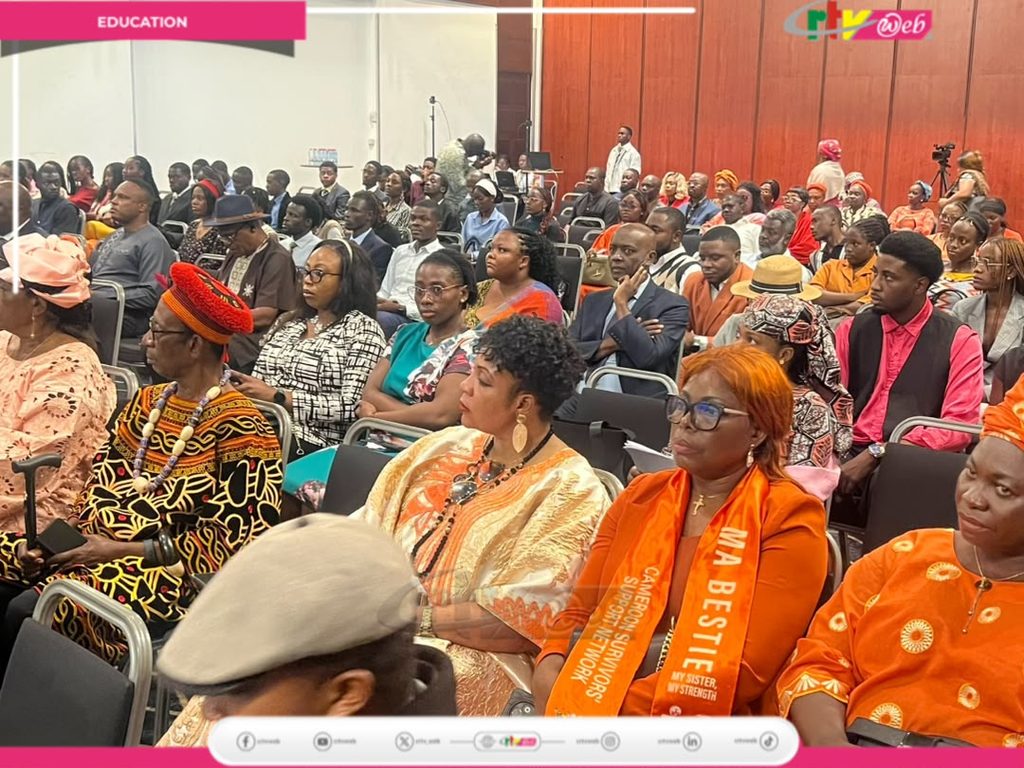
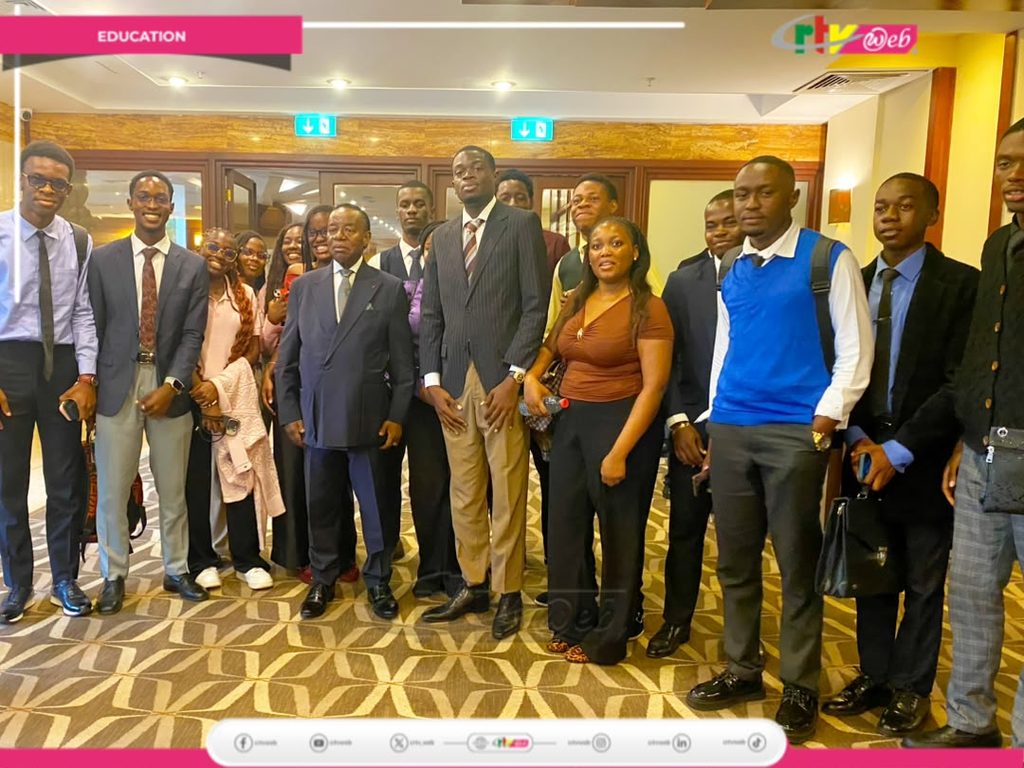
The ceremony, chaired by the Minister of Secondary Education, Professor Pauline Nalova Lyonga, brought together the Minister of State, Minister of Higher Education, Professor Jacques Fame Ndongo, and the Minister of Public Health, Dr Manaouda Malachie, alongside senior government officials, education stakeholders and medical students from the University of Yaounde I.
Beyond celebrating academic achievement, the event highlighted efforts to strengthen healthcare delivery and position Cameroon as a medical tourism destination in Central Africa.
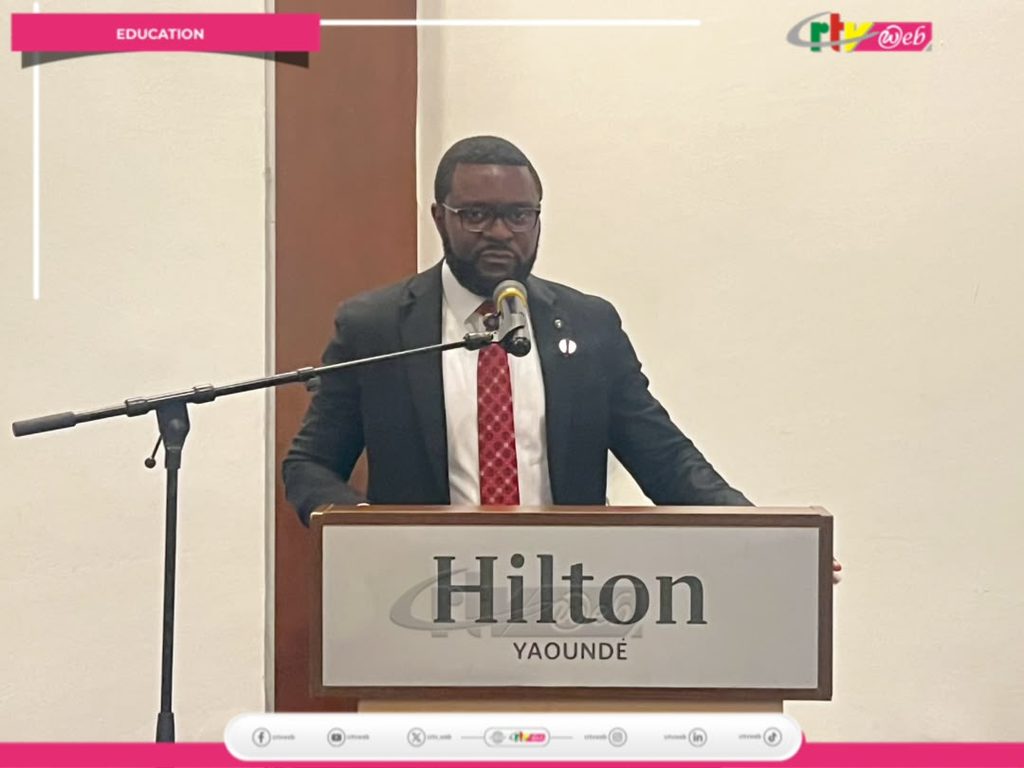
Speaking at the ceremony, Barnabas Mbigha, Chief Executive Officer of the Peace and Comfort Medical Foundation, outlined the foundation’s vision of developing state-of-the-art medical facilities equipped with modern technologies while improving access to primary healthcare.
He said the initiative is already taking shape in the Littoral Region, where healthcare services are being developed to address the needs of the population. A health facility has also been put in place, with particular attention to hypertension and the need for effective prevention and management.
The programme featured an interactive session on hypertension, while participants also explored proposed initiatives involving the diaspora to support development efforts.
The 30 laureates received awards in recognition of their outstanding performance during the 2026 GCE Advanced Level examination.
Closing the ceremony, the Minister of Secondary Education, Professor Pauline Nalova Lyonga, emphasised the importance of supporting academic excellence and investing in healthcare. She also appreciated the initiative for recognising outstanding students and contributing to efforts to address healthcare needs.
Through its focus on academic achievement and healthcare development, BMEA 2026 highlighted the importance of recognising merit while supporting initiatives aimed at improving the well-being of communities in Cameroon.
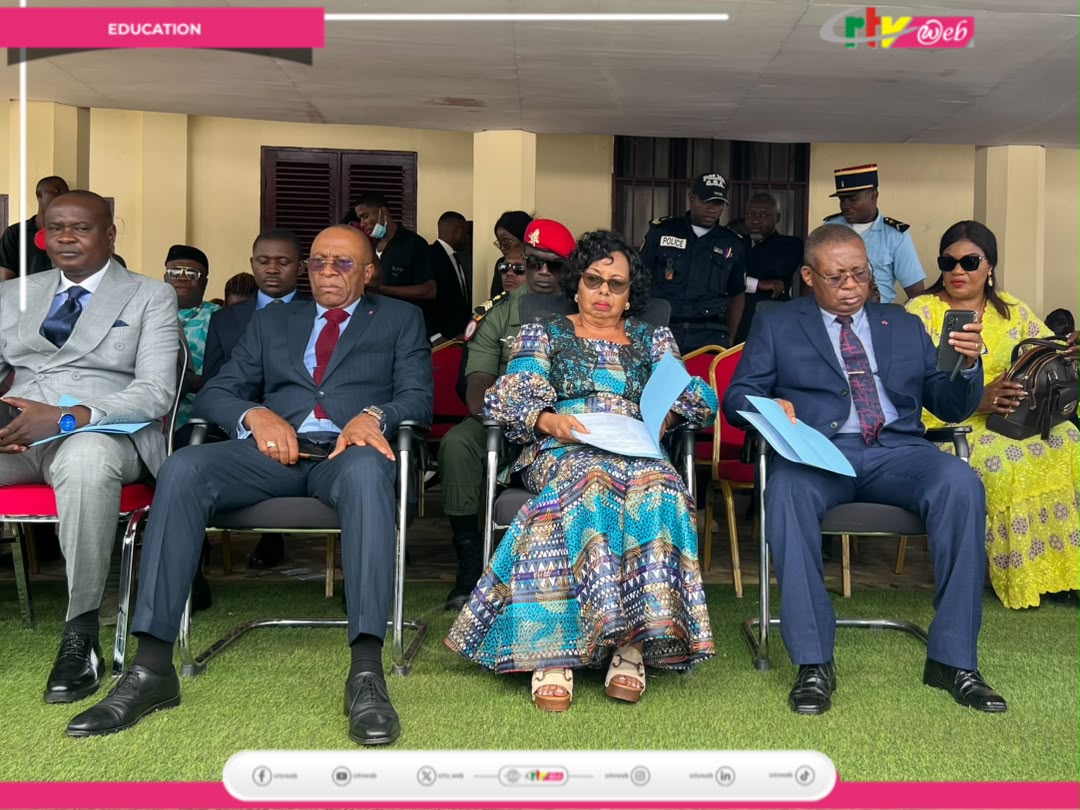
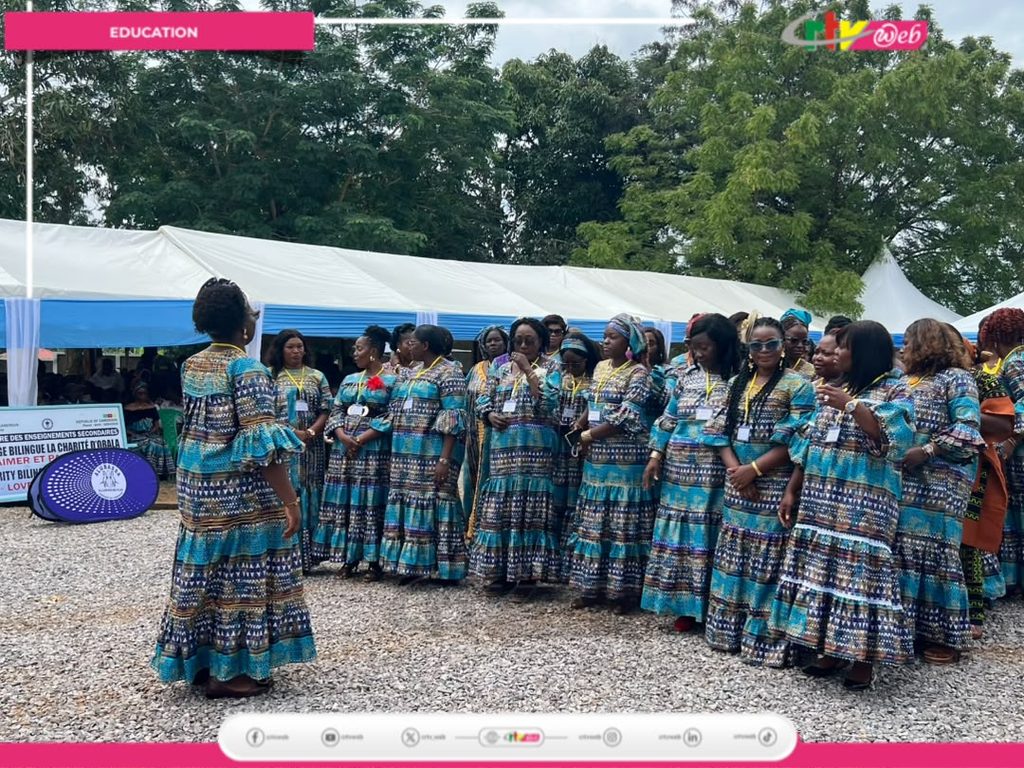
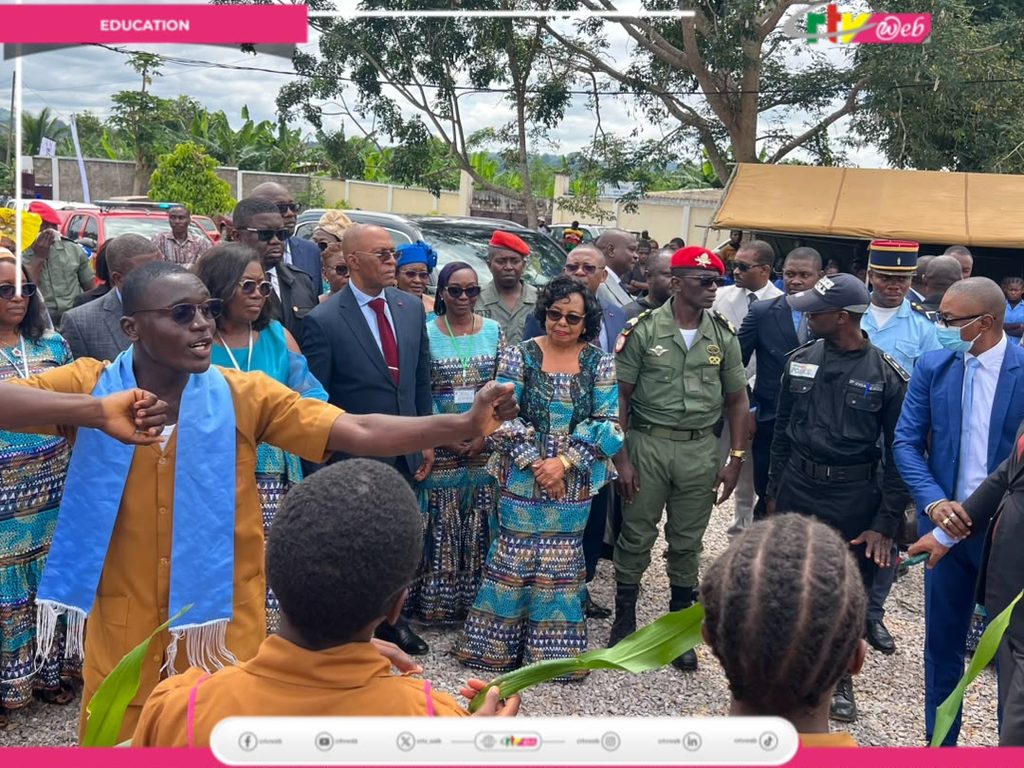
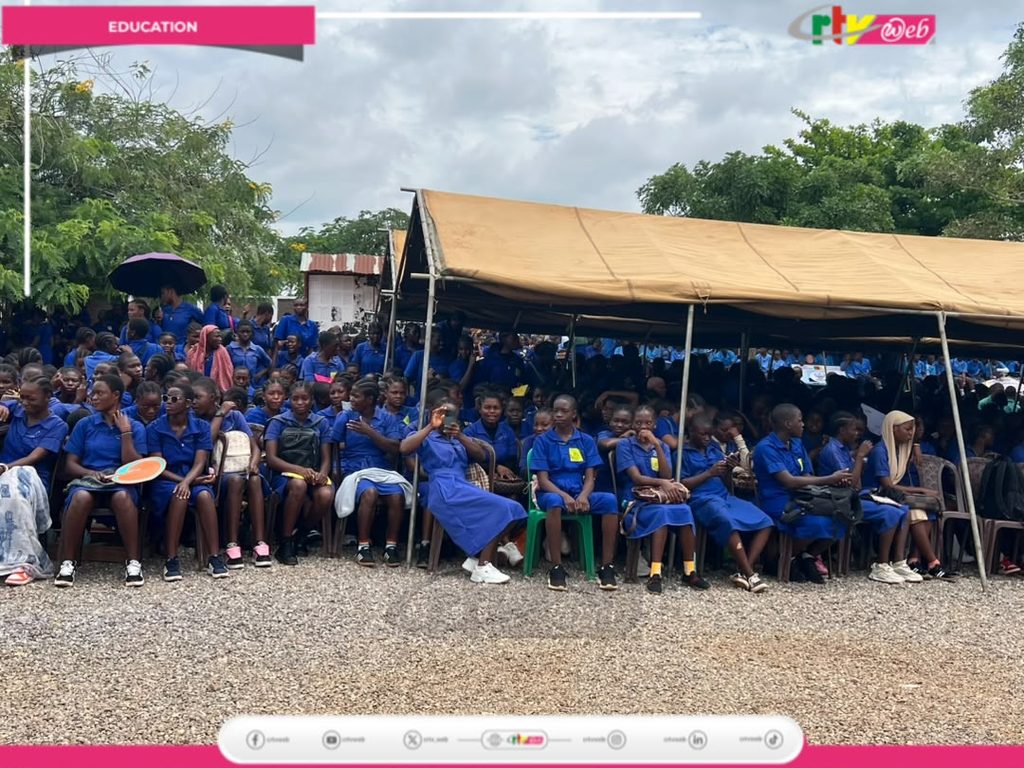
The 24th edition of the National Guidance Counselling Day has been celebrated at Government High School Obala in the Centre Region this October 16, 2026.
The event was presided over by the Minister of Secondary Education, Prof. Nalova Lyonga, under the theme “Educational and Vocational Guidance in Secondary Education, a Cornerstone for Local Development.”
The Minister called on guidance counsellors to remain accessible to students and understand their needs to help them make informed academic and career choices. She also stressed the importance of agriculture to national development and urged learners to make informed decisions in an era of artificial intelligence and widespread access to information.
Students presented several performances, including a drama on guidance counselling that captured the attention of the Minister and other personalities.
The Mayor of Obala also highlighted the school’s contribution to national leadership, citing prominent Cameroonians who had studied at the institution.
The celebration underscores the importance of guidance counselling in helping students identify their potential, make informed career choices and develop skills that contribute to national and local development.
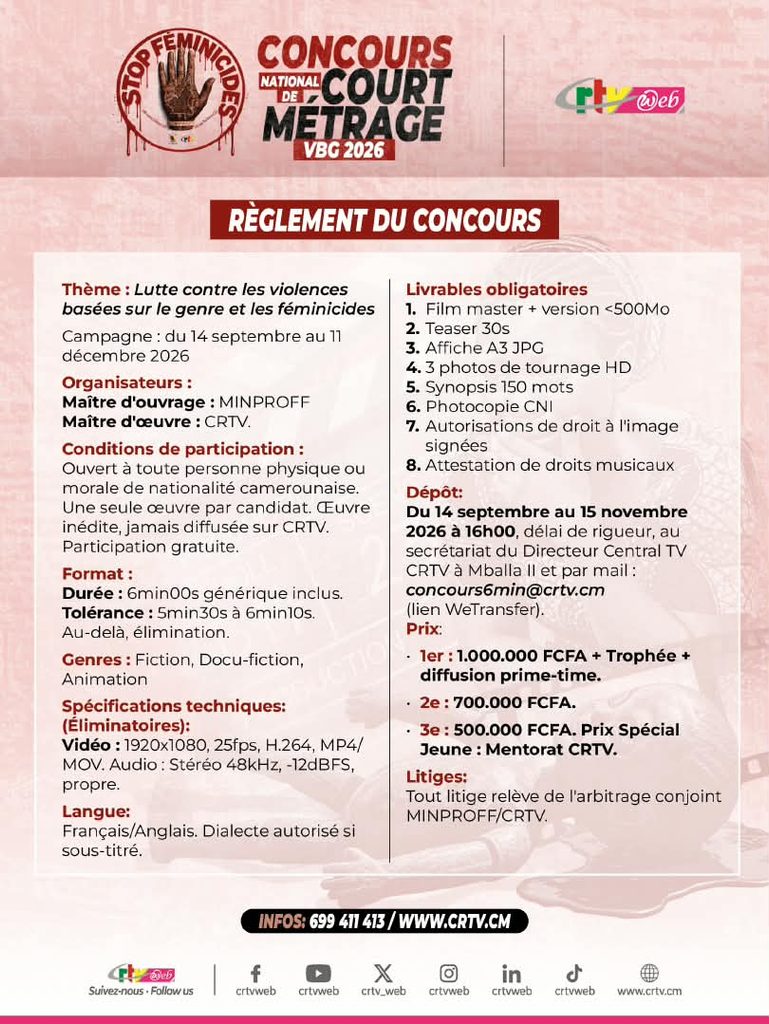
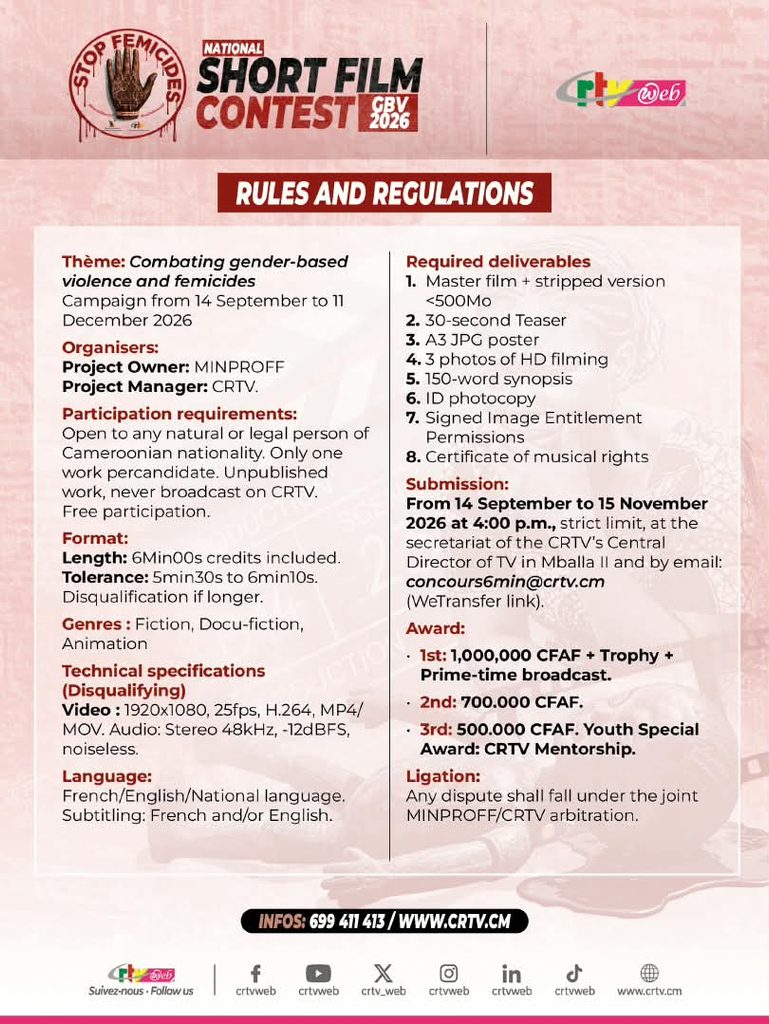
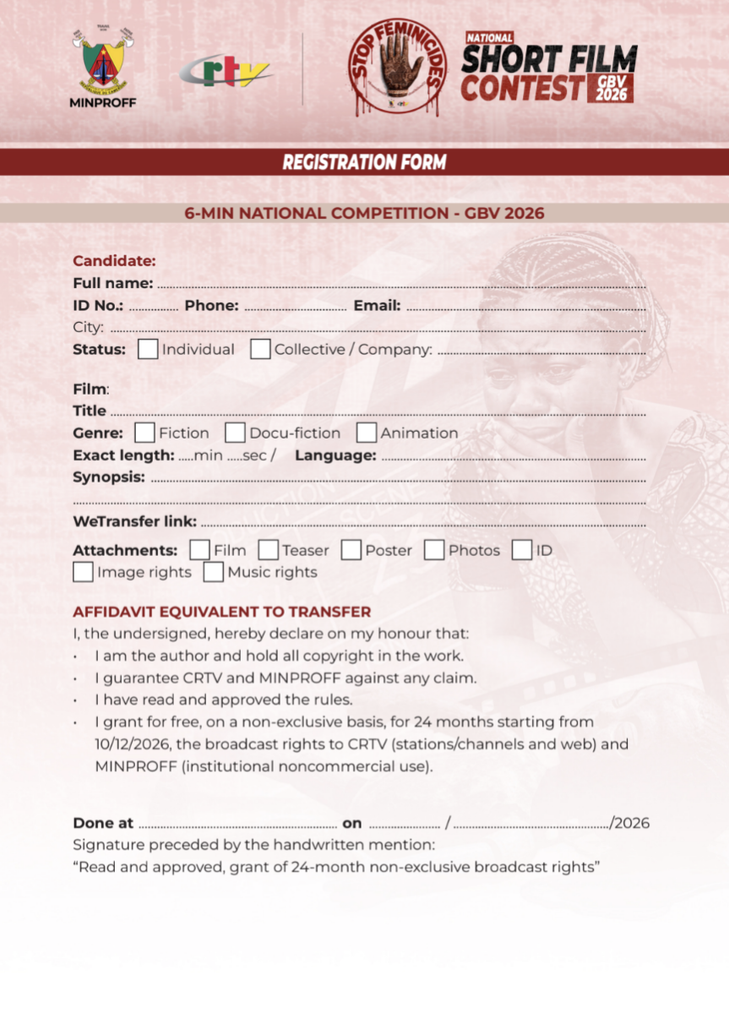
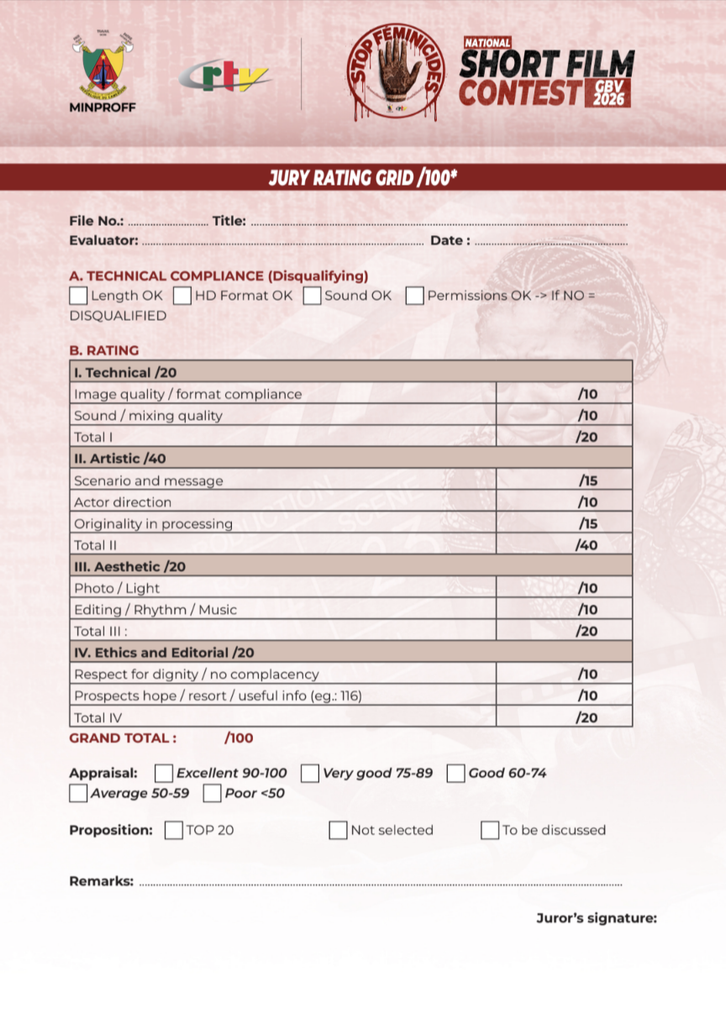
Êtes-vous un cinéaste inspiré par des histoires visant à mettre fin aux violences liées au genre et aux féminicides❓
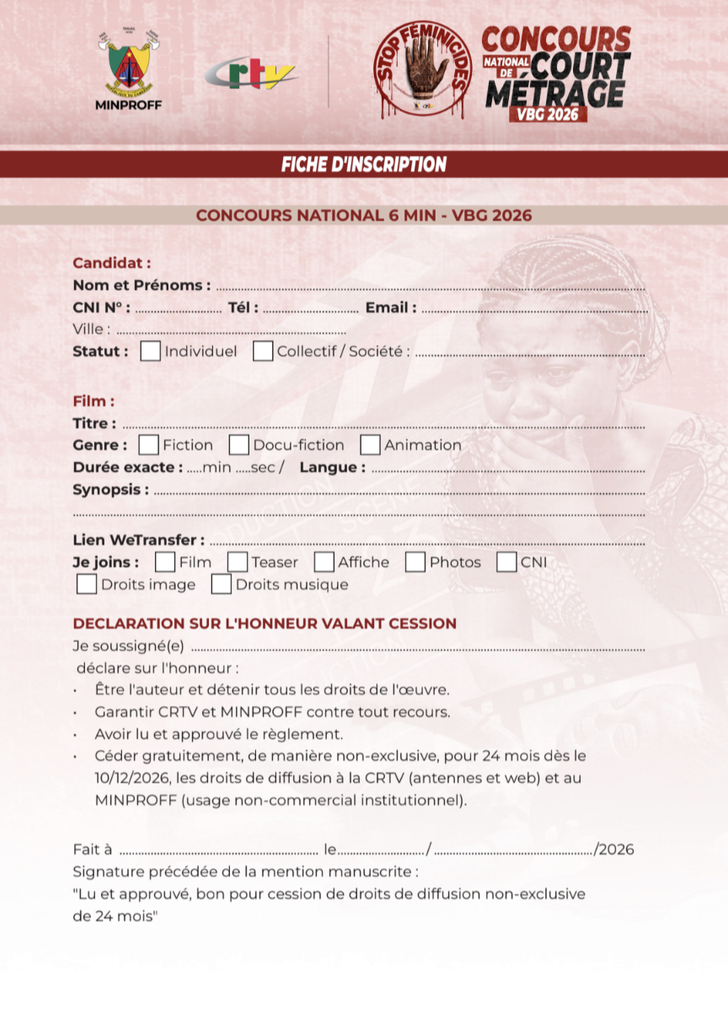
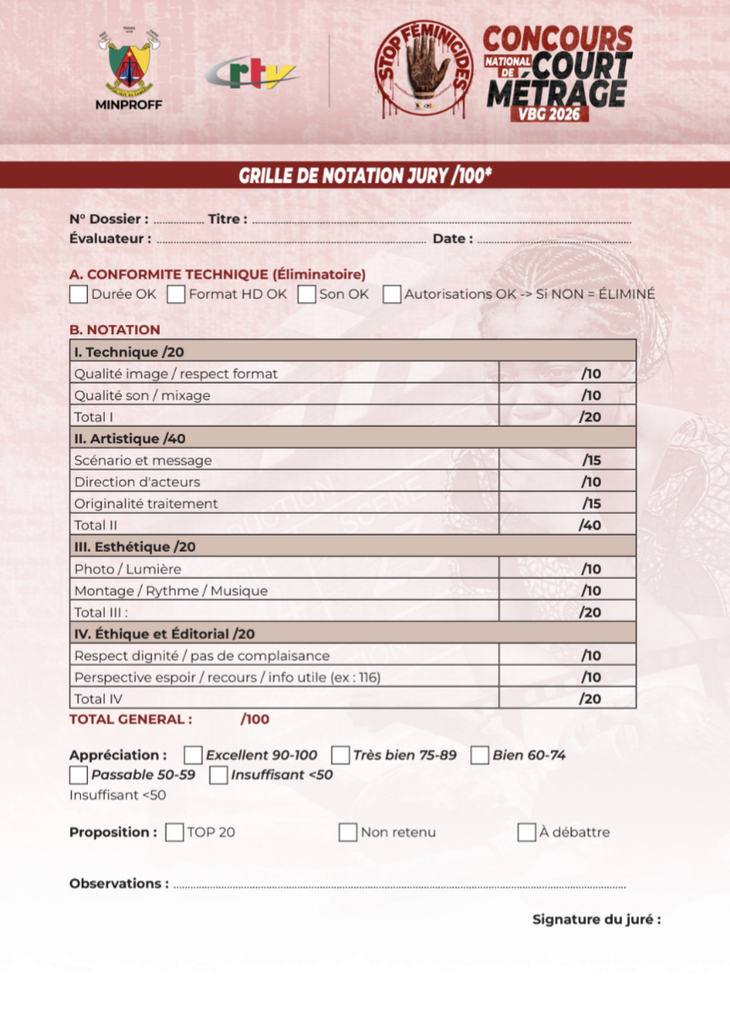
Alors participez au concours de courts-métrages 🎥 organisé par la Cameroon Radio Television (CRTV), en partenariat avec le ministère de la Femme et de la Famille, afin de soutenir la lutte contre la violence genre et les féminicides au Cameroun. La date limite de soumission des films est fixée au 15 novembre 2026.
Are you a movie maker inspired by stories to stop Gender Based Violence and femicide❓
Then take part in Short Film 🎥 Contest organised by the Cameroon Radio Television, CRTV, in partnership with the Ministry of Women’s Empowerment support the fight against GBV and femicides in Cameroon.
The deadline for submission of films is November 15, 2026.
The Ministry of Basic Education launched a two-day review of externally funded projects and discussions on new partnerships in Yaoundé on October 8, 2026.
The meeting aimed to assess project implementation, identify funding gaps and explore new financing opportunities to improve access to quality education and learning outcomes.
Presiding over the opening ceremony, the Minister of Basic Education, Professor Laurent Serge Etoundi Ngoa, described the review as a strategic step towards transforming education in Cameroon.
He acknowledged the contributions of development partners, noting that their support had yielded significant progress, while stressing the need for approaches that address the country’s diverse educational challenges.
The Secretary of State at the Ministry of Basic Education, Vivian Asheri Kilo, highlighted some of the gains from these partnerships, including the construction of schools, fencing of school premises to improve children’s safety, donations of textbooks and financial support for the education of children with special needs, refugees and internally displaced persons.
She noted that the review would help identify areas requiring further intervention and guide support for the next academic year.
The meeting brought together government officials, technical and financial partners, and other stakeholders to review ongoing projects and explore opportunities for further collaboration.
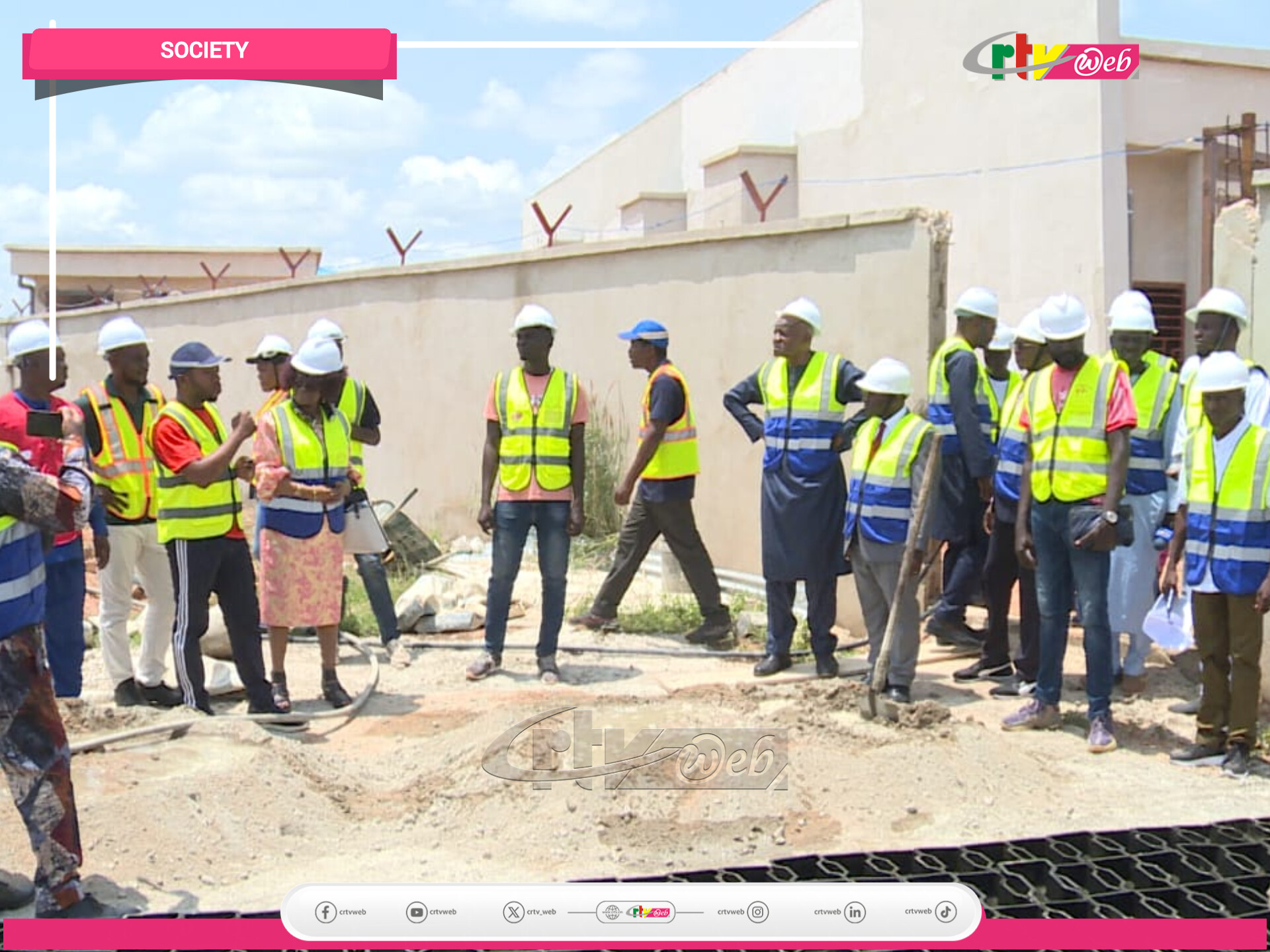
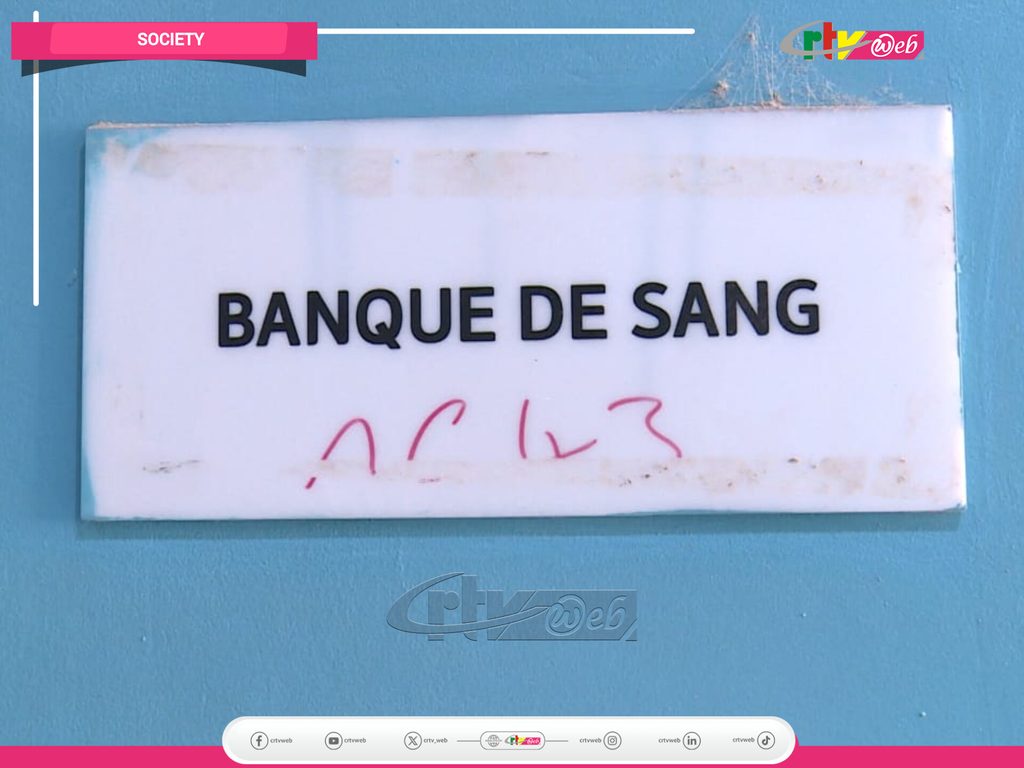
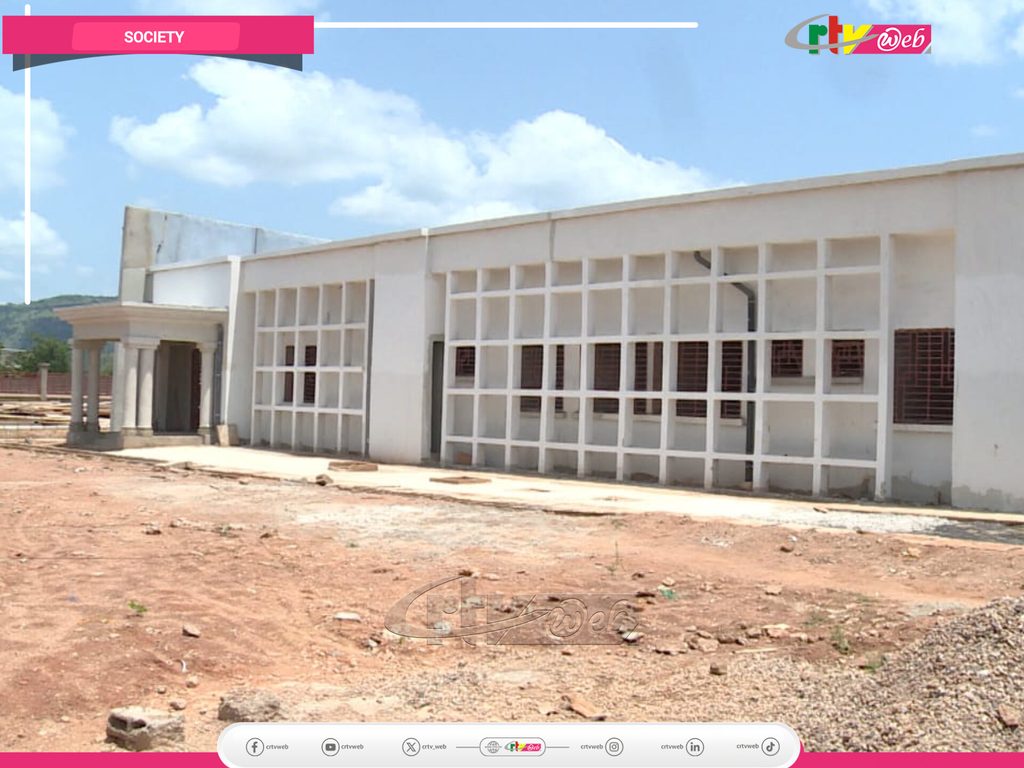
The level of progress of construction works on the Regional Blood Transfusion Centre has been assessed by a delegation from Yaoundé.
The delegation from the Management Committee of the National Blood Transfusion Centre on a working visit to the North Region began their visit at the Governor’s Office. They were received by the Secretary-General of the North Governor’s office, Joseph Densu.
The team later visited the North Regional Council, where they were welcomed by the Regional Council President, Oumarou Ousmanou.
The delegation subsequently inspected the construction site to evaluate the progress of the works. The visit was conducted with the approval of the project owner, the Minister of Public Health, Dr Manaouda Malachi.
The centre is expected to improve the availability, storage and distribution of safe blood, while strengthening transfusion services and emergency medical care in the North Region.
The qualifiers for the 2027 Africa Cup of Nations will kick off on September 21, 2026.
Organized by the Confederation of African Football (CAF), 48 nations have been drawn into 12 groups of four and will play across three FIFA windows:
Matchdays 1 and 2 from September 21 to October 6, 2026, Matchdays 3 and 4 from November 9 to 17, 2026, and the final Matchdays 5 and 6 from March 22 to 30, 2027.
In most groups the top two teams will advance to the 24-team tournament, but because Kenya, Uganda, and Tanzania are co-hosts and already qualified, only one additional team will qualify from each of their groups.
The finals, branded TotalEnergies CAF AFCON PAMOJA 2027, are set for June 19 to July 17, 2027 in East Africa.
La Cameroon Radio Television forme ses cadres aux bonnes pratiques protocolaires. C’est dans le cadre d’un séminaire tenu dans les locaux de l’IBC à la Maison de la Radio les 25 et 26 août 2026. La formation portait sur le langage diplomatique, les bonnes pratiques protocolaires, la bienséance et la préséance.
La délégation d’experts venus du ministère des Relations extérieures, était conduite par Edmond Gervais Bindzi Edzimbi, le directeur du protocole, du cérémonial et des affaires consulaires au MINREX.
Pendant les deux jours de travaux, les participants ont échangé sur :
Le protocole d’accueil : appliquer les règles de préséance.
Les cérémonies officielles : maîtriser la gestion et l’ordonnancement.
L’orientation des hôtes : adopter la bonne posture face aux VIP.
La rédaction institutionnelle : respecter l’étiquette dans les invitations.
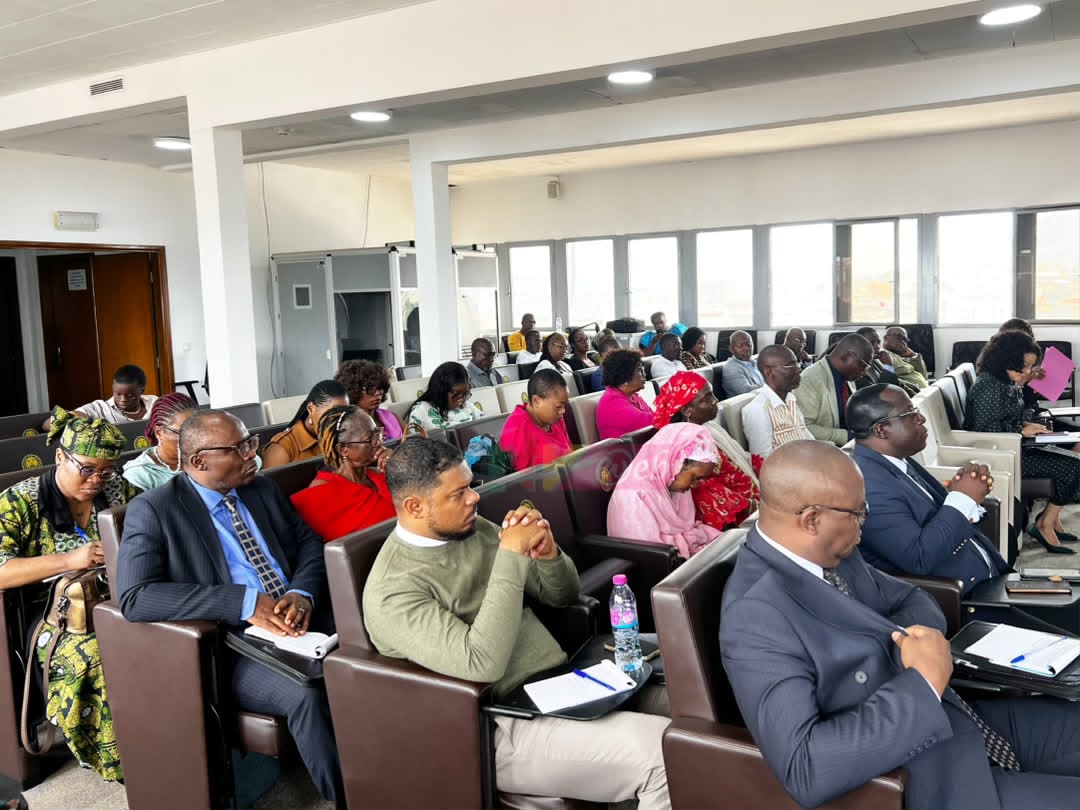
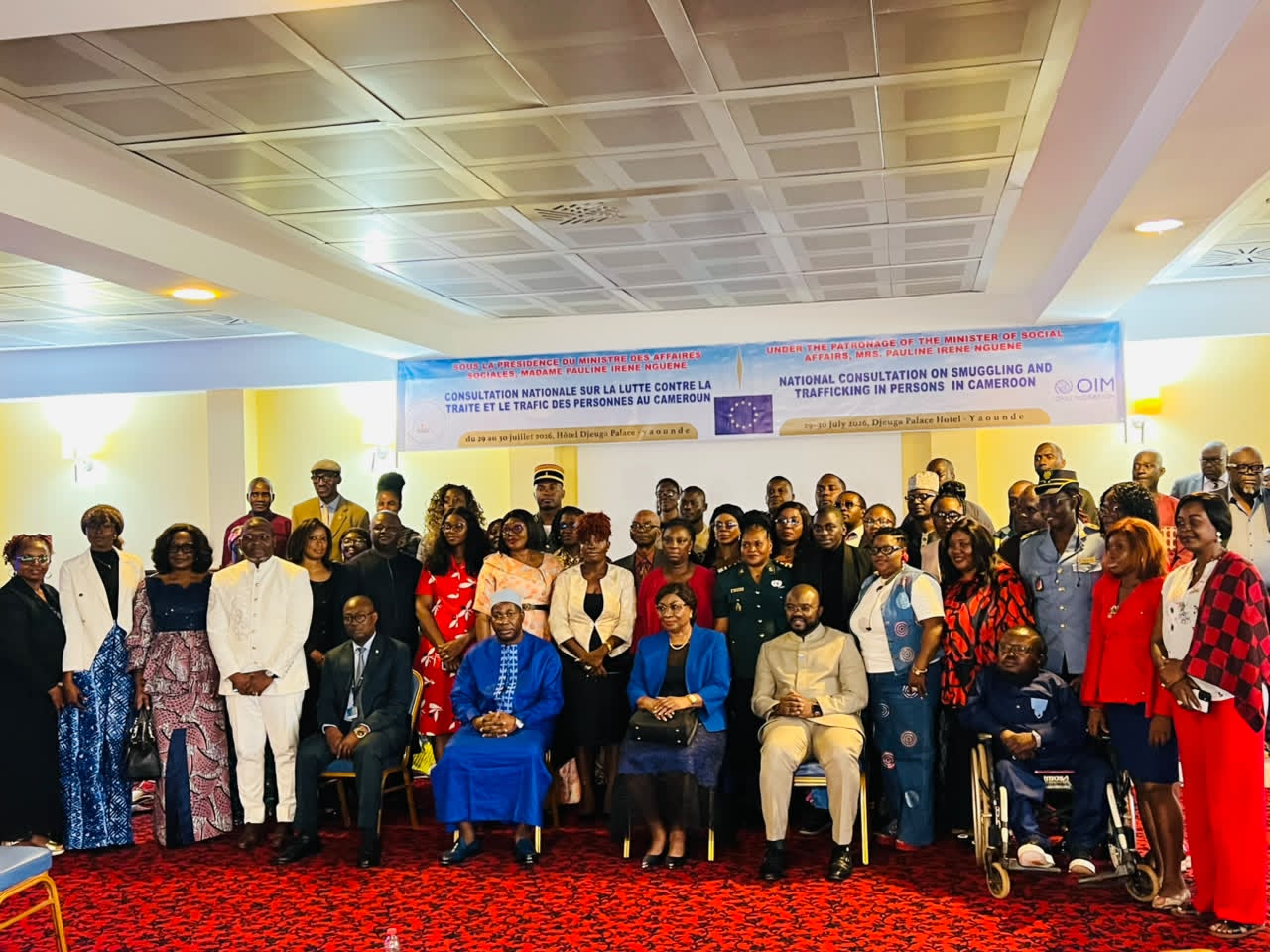
For two days, government officials, United Nations agencies, civil society organisations, development partners and survivors of human trafficking gathered in Yaoundé to examine one of the most pressing migration challenges facing Cameroon: trafficking in persons and the smuggling of migrants.
Organised by the Platform for Dialogue and Exchange between the Government and Civil Society, in partnership with the International Organization for Migration (IOM), the national consultation ended with a series of recommendations expected to shape Cameroon’s first National Migration Policy.
The discussions highlighted persistent challenges, including weak institutional coordination, inadequate data collection and sharing, limited resources for victim assistance, evolving criminal networks and the growing use of digital platforms by traffickers.
Survivor’s testimony puts a human face on trafficking
One of the most emotional moments of the consultation came when survivor Rose Kanjo recounted her experience after being trafficked to Kuwait in 2015.
Promised a teaching job by a relative, she instead found herself trapped in domestic servitude.
“I worked 19 to 20 hours every day. I slept on the floor, ate leftovers, had no access to a phone and endured physical, emotional and sexual abuse,” she told participants.
Although her family eventually paid a ransom of 4,000 US dollars, Kanjo said she still had to devise a way to recover her passport and escape from her employer before returning to Cameroon.
Her testimony served as a stark reminder of the realities behind fraudulent overseas recruitment schemes and reinforced calls for stronger prevention and protection measures.
A roadmap for stronger action
Participants agreed that trafficking in persons and migrant smuggling should become a priority pillar of Cameroon’s future National Migration Policy.
Recommendations adopted during the consultation include strengthening national coordination mechanisms, reviewing the legal framework to better align with international standards, improving the collection and sharing of migration data, increasing sustainable funding for anti-trafficking programmes and establishing a harmonised national referral system for victims.
Delegates also called for nationwide awareness campaigns, particularly in vulnerable communities and border areas, while recommending the integration of migration and anti-trafficking modules into the training of magistrates, security personnel, social workers and other frontline professionals.
The consultation further stressed the need for comprehensive assistance to victims, including medical, psychological, legal and economic support, alongside programmes that promote long-term reintegration.
United Nations unveils child protection initiative
Representing the United Nations System in Cameroon, officials warned that conflicts, displacement, poverty and climate-related pressures continue to increase children’s vulnerability to trafficking, particularly in the North-West and South-West regions.
The UN announced plans for a new project targeting children exposed to trafficking and exploitation in the two regions. Under the leadership of the Ministry of Social Affairs, the initiative is expected to directly benefit nearly 3,000 people while positively impacting about 15,000 others, including families and communities.
The project will focus on expanding child protection services, preventing online-facilitated trafficking, strengthening victim identification and referral mechanisms and improving the capacity of institutions responsible for investigations and prosecutions.
In a joint declaration marking the World Day Against Trafficking in Persons, the United Nations Migration Network in Cameroon also called for multidisciplinary victim support centres, stronger legal reforms, improved law enforcement capacity and greater collaboration among public institutions, civil society and local communities.
Government pledges sustained commitment
Closing the consultation, the Minister of Social Affairs, Pauline Irène Nguene, described trafficking in persons as an established reality in Cameroon that requires coordinated national action.
She acknowledged that while assistance to victims remains essential, greater emphasis must also be placed on prosecuting traffickers and dismantling criminal networks.
The minister announced that the recommendations from the consultation will feed into the finalisation of Cameroon’s National Migration Policy and guide future sectoral interventions.
She also welcomed the continued support of the International Organization for Migration, notably its commitment to expand the migrant transit and reception centre to improve services for vulnerable migrants.
As Cameroon commemorates the World Day Against Trafficking in Persons, the outcomes of the consultation reflect a growing determination among government, international partners and civil society to move beyond dialogue and strengthen concrete action against a crime that continues to threaten the country’s most vulnerable populations.