Some Cameroonian athletes who won medals for the country in recent international competitions have been awarded certificates of performance.
This follows a yellow jersey win in this year’s Cameroon International Cycling Tour, new athletics records by Emmanuel ESEME , and 9 medals clinched by sambists.
They have been hailed by the Minister of Sports and Physical Education, Prof. Narcisse Mouellé Kombi, during a reception.
The Ministry of Higher Education has taken stock of the implementation of key resolutions adopted during the Conference of Heads of Higher Education Institutions, as part of efforts to strengthen the quality, relevance, and competitiveness of university Education in Cameroon.
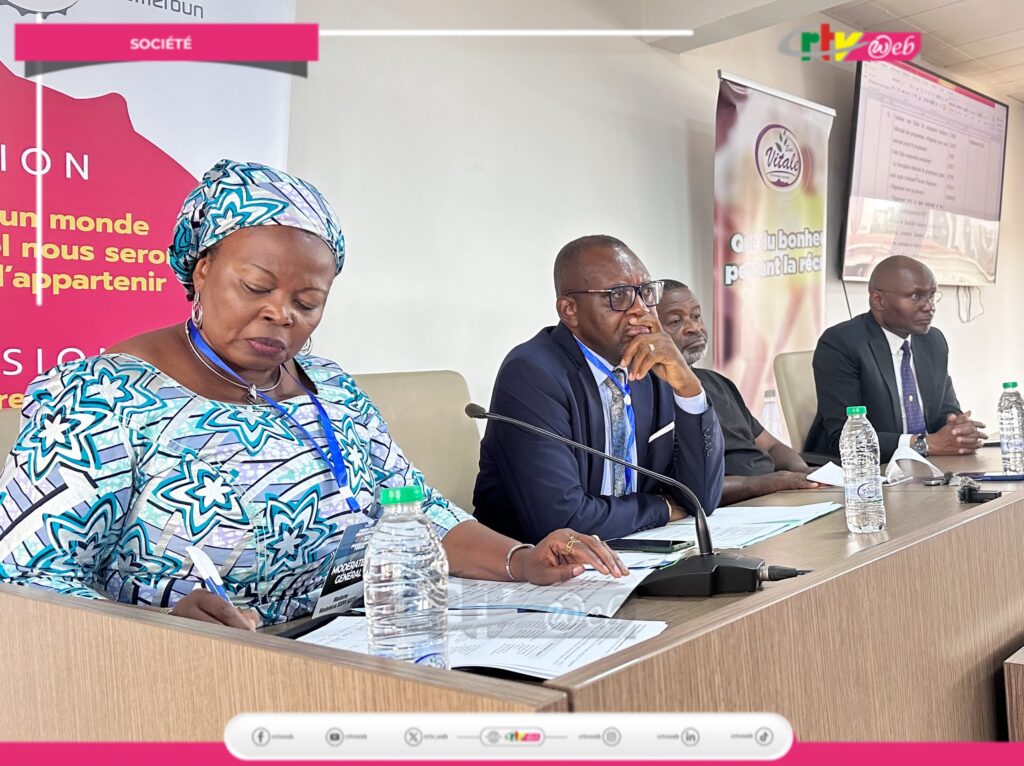
The evaluation meeting in Yoaunde was chaired on behalf of the Minister of State, Minister of Higher Education, Professor Jacques Fame Ndongo, by the Secretary General of the Ministry, Professor Wilfred Gabsa Neba.
The session provided an opportunity for stakeholders to assess progress made, identify remaining challenges, and chart the way forward in the execution of reforms aimed at enhancing academic excellence, governance, innovation, and graduate employability.
Thirteen suspects linked to a human trafficking and fraudulent recruitment network were presented to the press on June 22, 2026, at the National Gendarmerie headquarters in Yaoundé.
The suspects include six coordinators and seven representatives accused of operating under the cover of network marketing schemes.
According to the Deputy Director of Central Coordination at the National Gendarmerie, Colonel Atangana Fiacre Kisito, investigations were launched at the beginning of 2026 following numerous complaints from Cameroonians and citizens of neighboring countries, particularly Nigeria.
The investigations uncovered a structured network operating under names such as QNET, IGNITE, UNIMEC and other local variants. The group allegedly targeted students, unemployed youths, recent graduates facing financial difficulties and individuals seeking opportunities abroad.
Authorities say victims were lured with promises of employment, training and better prospects overseas before being required to pay substantial registration fees. Many were housed in communal residences and subjected to psychological pressure aimed at recruiting additional members.
Security services have identified hundreds of victims, with more than 6,000 individuals reportedly registered across several cities, including Yaoundé, Douala, Bafoussam, Ebolowa, Bertoua, Maroua, Garoua and Ngaoundéré.
Investigations revealed that the network operated through a hierarchical structure involving leaders, recruiters and victims. Some victims were reportedly transferred through Garoua to Nigeria, while foreign nationals were also integrated into local cells.
While thirteen suspects are now in custody and expected to face justice, two alleged leaders believed to be in the Republic of Congo and the Central African Republic remain on the run and are actively being sought after.
The National Gendarmerie has urged the public to remain vigilant and report any suspicious recruitment offers, promises of overseas employment or pressure to join such schemes. Authorities say efforts are continuing to dismantle the network, identify its financial channels and support victims through reintegration measures.
La caravane menée par Denise Ngono Metomo, Directeur des Affaires sociales de la Communauté Urbaine de Yaoundé(CUY) ce 18 juin 2026, a ainsi visité sept centres d’encadrement d’enfants en détresse de la ville, identifiés dans les sept communes d’arrondissement.
Des dons de différentes natures ont ainsi été remis à ces différentes structures qui abritent au total 500 enfants vulnérables. Il s’agit de: La Tribu de Lulu la Grâce; Orphelinat Vie de Grâce ; Foyer de l’Espérance Garçon ; Centre AGAPE ; Fondation Famille Chrétienne (FACT) ; Orphelinat Péniel Royal Home Vision et Pouponnière Saint Kisito.
Des structures bénéficiaires des dons aussi variés que: des matelas, babouches, produits d’hygiène (savon, brosses à dents, dentifrice), riz, haricots, pâtes alimentaires, huile, beurre, chocolat, levure et sucre.
Gratitude des bénéficiaires
Un geste de sollicitude salué par les responsables de ces maisons d’accueil comme Marie France Ngo-On de l’orphelinat Vie de Grâce, pour qui les matelas arrivent à point nommé : « Tout le temps, il fallait sortir les matelas, les laver avec des enfants qui font tout le temps pipi au lit. À un moment donné, je suis obligée de les jeter », dit-elle soulagée de recevoir ce don qui vient améliorer les conditions de vie des enfants dans son centre.
Du côté du Foyer de l’Espérance, le Père Tobian Noubaissem, Directeur général du Foyer, affirme également que ces dons vont leur permettre de mieux subvenir aux besoins des enfants. D’où ses remerciements : « C’est avec une gratitude énorme que nous adressons nos remerciements à Monsieur le Maire de la ville de Yaoundé qui a pris cette initiative avec ses collaborateurs, de venir nous soutenir et nous aider à donner des conditions meilleures aux enfants que nous accueillons », a-t-il confié à la presse.
Cette initiative qui rentre dans le cadre de la célébration de la 36e édition de la Journée de l’Enfant Africain, s’inscrit, selon les donateurs, dans la politique communale de promotion de la solidarité, de la protection de l’enfance et de l’inclusion sociale.
C’était ce vendredi 12 juin 2026 à Mimetala, dans l’arrondissement de Mfou, département de la Mefou et Afamba dans le Centre.
Au total, deux maisons de retraite ont reçu la visite de la délégation du ministère des Affaires sociales menée par la Secrétaire générale de ce ministère, Panje Beryl Itoh, représentante de la ministre. Il s’agit du « Foyer Sainte Louise de Marillac » et de « La Maison de Nazareth ».
Promouvoir la solidarité intergénérationnelle
Cette visite qui intervient en prélude à la célébration de la Journée Mondiale de Sensibilisation contre la Maltraitance des Personnes Agées, édition 2026, prévue le 15 juin, a permis à la représentante de la ministre des Affaires sociales, de souligner l’importance de protéger les droits de ces personnes du troisième âge. « Les personnes âgées avec leur sagesse et leur expérience ont contribué énormément au développement de notre société », a-t-elle rappelé. D’où, selon elle, la nécessité d’une solidarité intergénérationnelle, afin qu’elles sachent qu’elles n’ont pas été abandonnées.
Une solidarité qui s’est notamment traduite par la remise des dons de natures diverses dans ces lieux de repos, en présence des autorités administratives, traditionnelles et religieuses locales. « Ces cadeaux expriment déjà l’attachement que le ministère a envers les personnes vulnérables et les personnes âgées », a fait remarquer Sœur Régine Cyrille Ngono Bounoungou, Supérieure générale des filles de Marie, responsables de « La Maison de Nazareth », l’une des maisons visitées. La religieuse a, en outre, saisi l’occasion pour émettre le vœu que se poursuivent de telles attentions de l’Etat à leur égard.
Prévenir les maltraitances
Célébrée chaque année le 15 juin, la Journée mondiale de sensibilisation à la maltraitance des personnes âgées se célèbre cette année 2026 sous le thème : « Au-delà de la sensibilisation : faire en sorte que la prévention de la maltraitance des personnes âgées fonctionne ». Elle a été instituée par les Nations Unies, afin de briser le silence autour de cette question de santé publique et promouvoir les droits et le bien-être des aînés.
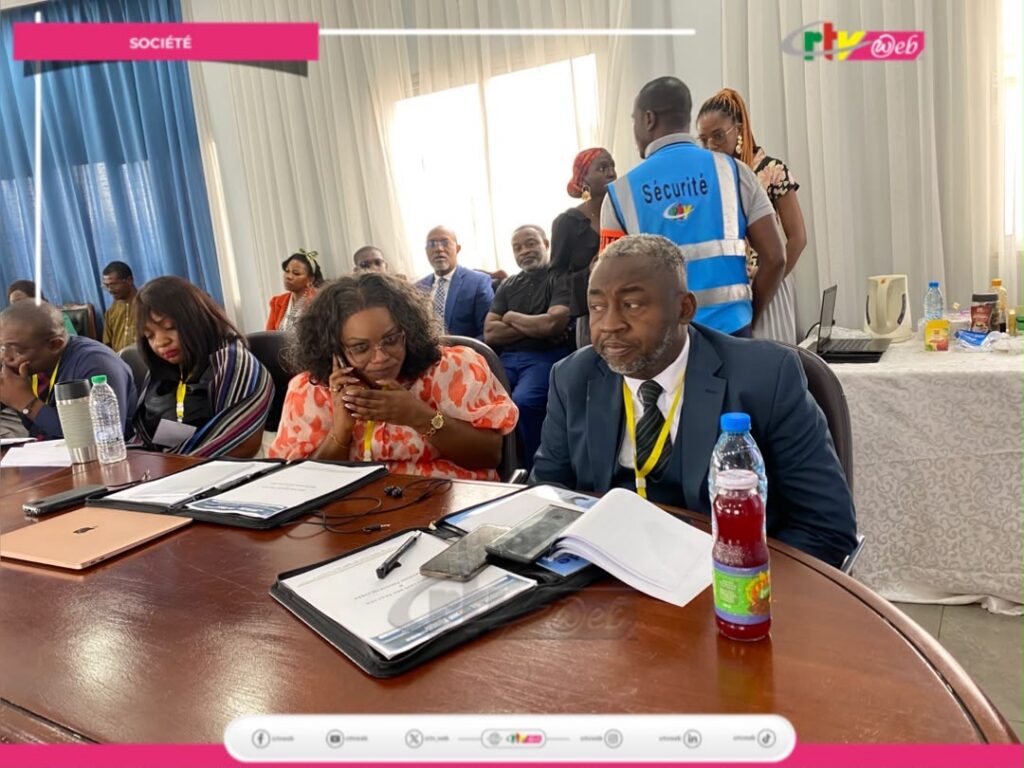
Cameroon organized its maiden HIV, TB and malaria Open-Door Day in the capital, Yaoundé, on June 18, to showcase Global Fund-sponsored health projects in the country.
The country’s Public Health Minister, Dr. Manaouda Malachie, representing the Prime Minister, Joseph Dion Ngute, chaired the event themed, “Performance and Accountability: The Key Results of the Global Fund’s Financing and the Expertise France Initiative against Malaria, HIV/AIDS and Tuberculosis in Cameroon.”
“We organized this day to amplify sensitization and advocacy. We want to get everyone involved. It will no longer be a single actor fighting against these diseases, but the entire national and international community. We are calling on communities, parliamentarians, institutions, and the private and public sectors to mobilize to fight these diseases.”
As external funding dwindles, the government of Cameroon is exploring other funding alternatives to continue the HIV/TB and malaria elimination agenda.
Government members, health organizations, civil society organizations and community health organizations turned up for the event to commend the Global Fund’s over 15 years commitment to saving lives in the country.
HIV, TB and Malaria Prevalence
According to the 2024 Population-Based HIV Impact Assessment (CamPHIA) 2024/2025 report, 509,766 people in Cameroon are HIV positive. This figure represents a 2.6% prevalence rate.
The National Malaria Control Programme(NMCP) recorded 2,943,674 malaria cases in 2025, alongside 1,261 deaths, 909 of them children under five. Malaria remains a public health concern in the country, and Cameroon is the 11th country most affected by the disease worldwide.
Tuberculosis data shows that 38,472 cases, about 132 infections per 100,000 people, were recorded in the country in 2024. The mortality rate linked to TB is 17 per 100,000 people.
Spin-Offs of the Global Fund’s Grants in Cameroon
The Global Fund began financing public health programmes to combat HIV, TB and malaria in Cameroon in December 2004. Since then, the international health organization has remained committed to strengthening the health system, helping vulnerable populations and partnering with community leaders to address health problems.
Saving lives and preventing infections in Cameroon has costed the Global Fund an estimated 750 billions FCFA for HIV, TB and malaria control . This amount is stratified as follows: HIV/AIDS, 418 billion FCFA; tuberculosis, 42 billion FCFA; HIV/TB co-infection, 39 billion FCFA; and malaria, 270 billion FCFA.
According to the Ministry of Public Health, this investment has enabled the procurement of antiretroviral drugs for about 450,000 persons with living with HIV, provided treatment for close to 30,000 TB patients, and facilitated the distribution of insecticide-treated bed nets (ITNs) distributed to about 890,000 homes.
In addition to this are related projects sponsored by « Expertise France », particularly “Equité Access Palu,” carried out by Impact Santé Afrique, the secretariat for the Global Fund Advocates Network (GFAN) and the Civil Society for Malaria Elimination (CS4ME). The “Equité Access Palu,” is aimed at streamlining inequalities in access to malaria prevention and treatment, especially in vulnerable communities.
“We were able to distribute mosquito nets to orphanages in Cameroon, empower community leaders to eliminate malaria, and break gender barriers regarding the fight against malaria,” Amélie Claire MedjouKeng, gender expert at Impact Santé Afrique, told CRTV Web.
Another key actor of the national response to HIV, TB and malaria is Expertise France. Expertise France has been instrumental in strengthening health systems and fighting HIV/AIDS, tuberculosis (TB), and malaria in Cameroon. The regional health adviser at Expertise France, Prof. Christophe Vanhecke, presented a report on his country’s investment in health projects in Cameroon during the inaugural HIV, TB and malaria Open-Door Day in Yaoundé. He stated that Expertise France remains dedicated to financing ongoing health infrastructure and projects in Cameroon. »
“France is the second historic partner of the Global Fund and spent over 1.6 billion euros for the 7th Global Fund cycle . The current international context no longer permits such investments to be made. France has made a commitment of 660million euros for the 8th replenishment of the Global Fund, and we are still among the big sponsors,” Prof. Christophe Vanhecke, regional health adviser at « Expertise France », said.
The Global Fund to Fight AIDS, Tuberculosis and Malaria remains one of the principal donors to Cameroon’s national response . For the current funding cycle, the Fund has allocated about 205,149,000 euros, approximately 134 billion FCFA to the country’s national programme.
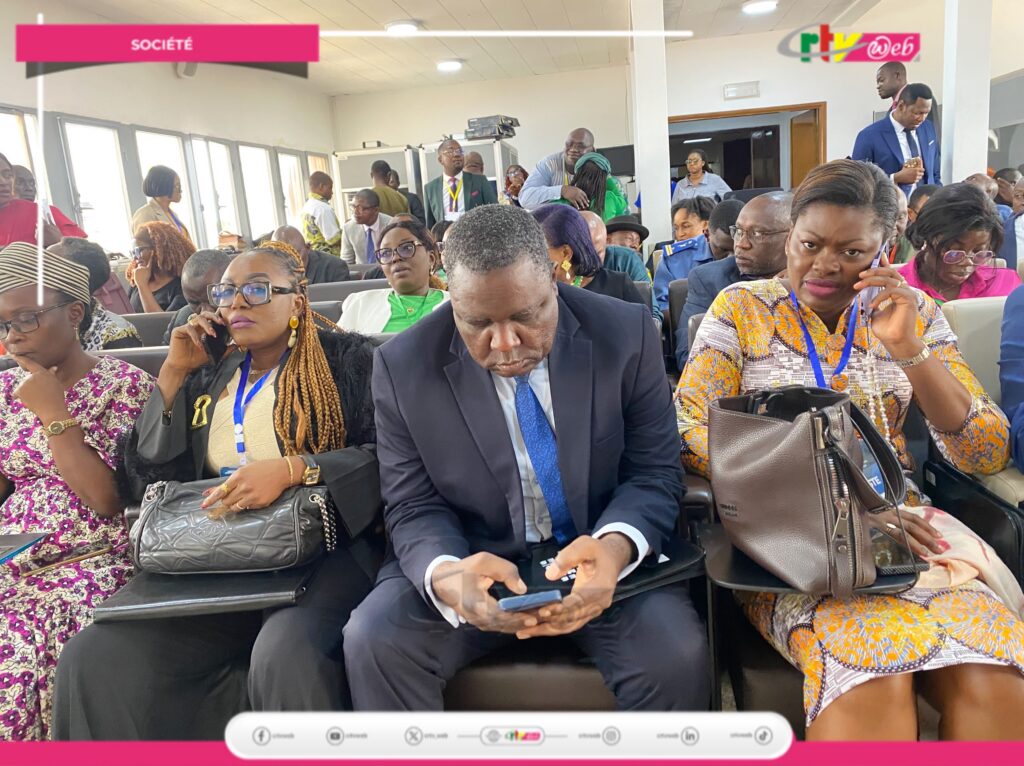
Advances in medical science are enabling more people living with sickle cell disease to reach adulthood, prompting health experts in Cameroon to pay greater attention to the long-term management of the condition among adult patients.
This concern was at the centre of a scientific day organised by the Cameroon Society of Hematology and Blood Transfusion (SOCAHEMA) on June 18 in Yaoundé, bringing together specialists, researchers and clinicians to discuss challenges and opportunities in adult sickle cell care.
The Director General of the National Blood Transfusion Service, Professor Dora Mbanya, highlighted ongoing efforts to improve patient care through access to essential medicines, blood transfusion services and emerging treatment options such as transplantation and gene therapy.
The Director of GEDREPACAM, a network of specialists involved in sickle cell disease care and research in Cameroon, Dr Wamba, also noted progress in neonatal screening across several health facilities, stressing that early diagnosis helps prevent severe complications and improve patients’ quality of life.
Participants examined strategies to strengthen prevention, treatment and multidisciplinary care for people living with sickle cell disease in Cameroon. The scientific day reflects ongoing efforts by health authorities and stakeholders to strengthen the response to sickle cell disease, a major public health concern in Cameroon.
Thirty -Six year old Kombou Tchapnda Ferdinand Martial, had a life time worth of praises showered on him at the World Blood Donor Day event in Yaoundé-Cameroon, on June 14, organized by the National Blood Transfusion Service (NBTS).
The Gold Donor made his first blood donation at 17, a high student at the Government Bilingual High School Etoug Ebe, about 19 years back. That initial act would become a lifetime commitment to saving lives and supporting health systems via blood donation.
Over the years, Kombou Tchapnda has stayed faithful to this course, churning out over 22.000 milliliters of blood to save the lives of children suffering from anemia, accident victims, cancer patients, pregnant women and other persons, often in need of blood transfusion.
Helping a Stranger
Blood donation is still a far-fetched practice for a vast majority of Cameroonians. People are often quick to donate blood when a close relative is in need, than for the common good. This is why blood donation in the country is scaling rather slowly. According to the National Blood Transfusion Service(NBTS), barely 187,224 pints of blood were collected in 2025, representing 47% of the country’s blood needs. This leaves blood demands from hospitals superior to an insufficient supply of blood .
The avid blood donor understood this reality too soon, and embarked on a mission to reverse the trend of blood shortages. Kombou Tchapnda says he wanted to donate blood for just anyone in need regardless of their personality or family history.
« I became a blood donor because I wanted to help end family blood donor replacement. I didn’t just want to give blood to someone I knew, but to someone I did not know, » he told CRTV Web.
After crossing the 50 blood donation threshold, the humanity hero says he has lost count of how many blood donations he has made. His main goal now is raising awareness about the ever-present need for blood donations.
» I stopped keeping score on how many times I have donated blood. What is important to me now is fighting the mindset that blood is sold in hospitals. There are many things people need to understand. »
« Blood is not Sold »
The growing reticence around blood donation in Cameroon is fueled by one of the most preoccupying beliefs that blood is sold in hospitals.
Hospitals often require two replacement donors, and charge a fee of about 50,000FCFA per pint of blood often from the blood bank. Health experts say one of the replacement donors could be disqualified because of health conditions, while the 50,000FCFA covers operational and biological procedures for the blood collected.
« We don’t find blood in pharmacies, so it is not sold. Blood banks are filled with donations from people. We can all donate blood once in three months for men and once in four months for women, he said.
On World Blood Donor Day, he makes a clarion call for everyone to take a commitment to regularly donate blood in order to prevent the loads of problems that come with blood shortages in hospitals.
He says the operational and biological costs for a pint of blood costs almost a 100,000FCFA, and what the patient pays is only a contribution to the subsidization costs the government is shouldering.
The 50-times blood donor was among voluntary non-remunerated blood donors in #Cameroon honored on World Blood Day at a ceremony in Yaoundé. In attendance was the Director of Pharmacy, Drugs and Laboratories, Yaba Dana Basil, representing the Minister of Public Health, and Dr. Douba, representing the World Health Organization .
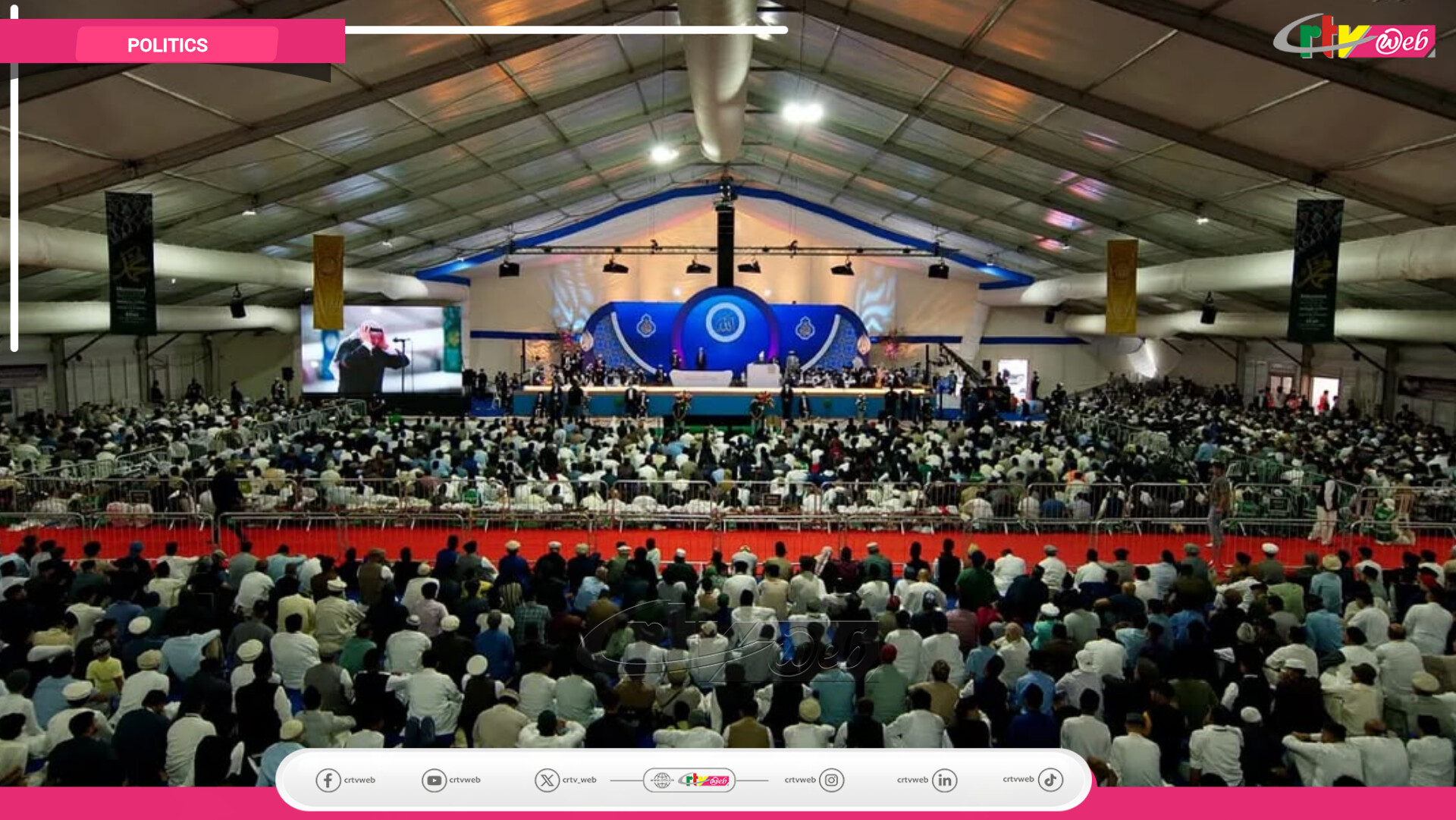
Cameroonians for the most part took position in public place and in small groups to experience the history making moment in World Cup.
For the first time since the inception of the competition three opening ceremonies took place 90 minutes before opening games in each of the host countries: Mexico, Canada and the United States of America.
The event unfolded over two days. In Mexico City where the Kick off the tournament was given, Mexico City Stadium (Estadio Azteca) local tradition was celebrated in choreographic dance steps to the rhythm of cultural music. Renown artists like Shakira and Nigerian International Afrobeat Star musician, Burna Boy, who sang the official tournament anthem « Dai Dai » made the opening ceremony even more electric.
In Canada, the event was in Toronto, at the BMO Field. The celebration highlighted the cultural mosaics of the country artists, including Alanis Morissette and Michael Bublé, alongside Jessie Reyez and Alessia Cara thrilling fans.
In the United States of America, the stage was set at the Los Angeles Stadium. On the podium where Katy Perry, Future, Anitta, and LISA.
Though thousand of kilometers away Cameroon enjoyed the moment via the screens.
In Yaounde, city dwellers are enjoying the great start of the world football bonanza in their spaces of comfort. Some are savouring a drink in company of others while discussing on the game as Mexico hosts South Africa at the Estadio Azteca.
Mexico has hosted the FIFA Men’s World Cup a record three times. They initially staged the tournament in 1970 and 1986, and are currently hosting it once again as a co-host alongside the United States and Canada in 2026.
At the close of Day 23, a total of 4 wins, 5 losses, and 1 draw were recorded.
Panthère Sportive du Ndé sits mid-table and is expected to face Dynamo of Douala on Match Day 24.
Dynamo of Douala has boosted their survival hopes with a 2-1 win over Coton Sport on Match Day 23.
The Douala based team has been positioning themselves as one of the forces to reckon with since the start of the second half of the season.
The team has been putting in a string of top-notch performances, With 9 wins and 1 draw.
Aigle Royal of Menoua defeated Gazelle Football Academy by 1-0
AS Fortuna had a 1-1 draw with PWD of Bamenda
Victoria United of Limbe defeated Panthère Sportive of Nde 2 goals to 1.
Meanwhile Stade Renard of Melong was defeated by leaders Unisport by 2-1
Colombe thrashed Canon One goal to zero.
Aigle Royal du Moungo humbled Fauve Azur 3 goals to 2.
Match Day 23 of the MTN Elite One Championship reshared the cards and all teams are bracing up and revising their notes in order to pick up at least a point in the next encounter.