By Gladys Asu Ngouana
“Whether you are young or old, go for check-ups. Know your status. The earlier you know, the better. Don’t joke with your health.”
It was a bright Friday morning at the Etoug-Ebe Baptist Hospital in Yaounde. The corridors buzzed quietly with footsteps and murmurs as patients waited their turn for consultations. In one of the consulting rooms, Dr. Ngole Neri was attending to people living with diabetes. Some came for routine check-ups, others for urgent advice.
That is where I met Mbangoko Barnabas Amengwoh, a 60-year-old businessman, husband, and father of six – who had come in for his follow-up. He looked calm, but as he spoke, I could sense the weight of his journey.
“I was unconscious the day I discovered I had diabetes. My sugar level was 368. I woke up to doctors explaining I had type 2 diabetes.”
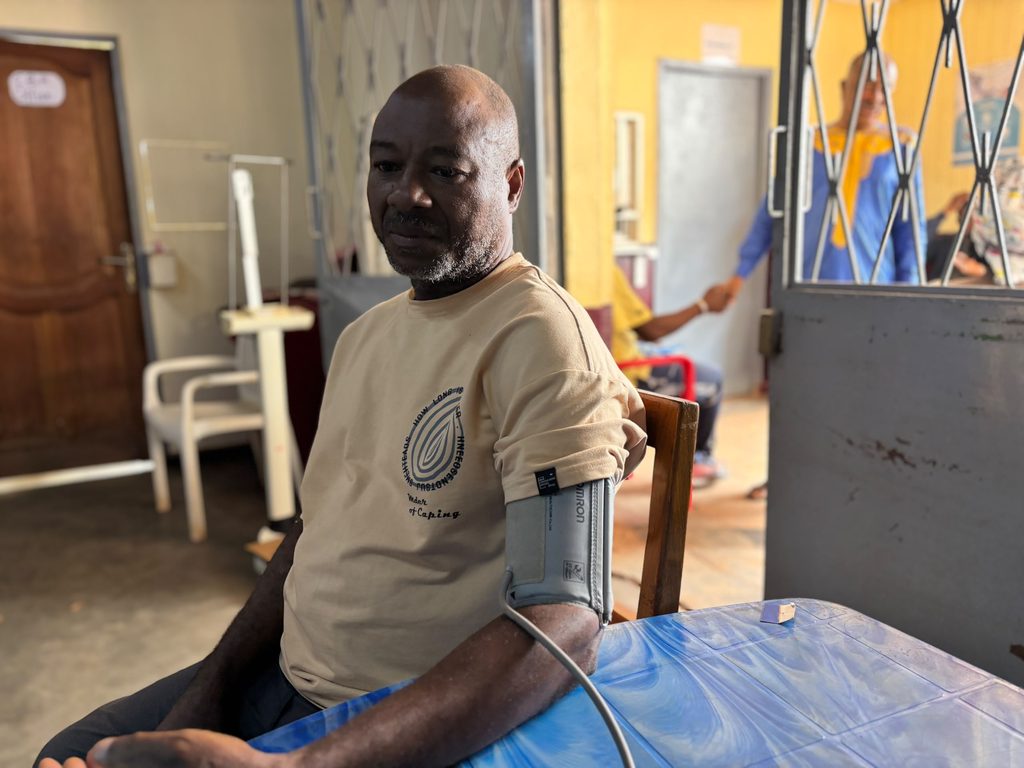
For more than ten years, Barnabas had already been managing hypertension. Diabetes came as a second blow – one that forced him to rethink everything about his lifestyle.
Diabetes in Cameroon: A Growing Silent Epidemic
Like many people, Barbabas had ignored the subtle signs: constant thirst, frequent urination, high temperatures, weakness, even sexual dysfunction. “I thought it was just stress and age,” he admitted.
But his body had been trying to whisper a warning all along. Unfortunately, he only listened when it shouted.
Dr. Neri explains this is all too common.
“Diabetes is a growing health concern in Cameroon. Between 6–9% of adults aged 20–79 live with it. To simplify, that’s about 2 out of every 30 adults. And if nothing is done to address the risk factors, this number could double this 2025.” He revealed.Even more alarming is the connection between diabetes and hypertension in Cameroon.
“Diabetes is closely linked with hypertension. More than 50% of people living with type 2 diabetes also have hypertension, since both share the same risk factors.” Added Dr. Neri.
Living with Diabetes and Hypertension: A Patient’s Experience
Since that emergency room scare in April 2025, Barnabas’ life has changed completely. His diet is now carefully curated; no beer, no juice, no sweet things, no heavy plates of fufu and beans. Instead, his meals are filled with vegetables, apples and whole grains.
It has not been easy.
“The hardest part is food,” he confessed. “At home, my wife now makes separate meals for me and the children. That means a double budget. The drugs are affordable, but keeping up with the right diet is expensive.
”Despite the struggles, he is determined to follow the doctor’s advice: “My mind is on the goal: to stay alive and healthy. Each time I remember the emergency room, I remind myself why I must keep going.”
What Causes Diabetes in Cameroon? Lifestyle and Diet Risks
Dr. Neri highlights that type 2 diabetes – which makes up 90% of cases in Cameroon is strongly influenced by lifestyle.
“We’ve moved from traditional diets rich in vegetables and natural foods to a westernized diet full of processed items. At the same time, physical activity has reduced. Farming and manual labor have been replaced by office jobs. These changes have fueled obesity, which is a major risk factor for diabetes.”
He adds that people most at risk include those with a family history of diabetes, adults over 40 years old, and people who are overweight or physically inactive.
He went further, warning that early signs of diabetes often go unnoticed:
- Constant thirst
- Frequent urination (day and night)
- Unexplained hunger
- Weakness and fatigue
- Wounds that heal slowly
- Tingling or numbness in hands and feet
- Erectile dysfunction in men
“By the time many patients come in, complications like kidney damage, nerve pain, or vision problems have already started,” he explained.
How to Prevent Diabetes and Hypertension
The good news is that diabetes and hypertension can be prevented and managed. According to Dr. Neri, here are three simple steps every Cameroonian can take today:
- Check your blood sugar regularly – at least twice a year if you’re at risk, more if you have symptoms.
- Adopt a healthy diet – eat more fruits, vegetables, whole grains, and lean proteins. Cut down on processed foods, sugary drinks, and excess oil.
- Exercise regularly – 150 minutes of moderate activity a week, such as walking, cycling, swimming, or football.
“A healthy lifestyle and regular screening are the most powerful tools to fight diabetes and hypertension in Cameroon,” he said.
For Barnabas, awareness is everything. “I didn’t know anything about diabetes before my diagnosis,” he admits. Today, he shares his story to inspire others not to wait until it’s too late.
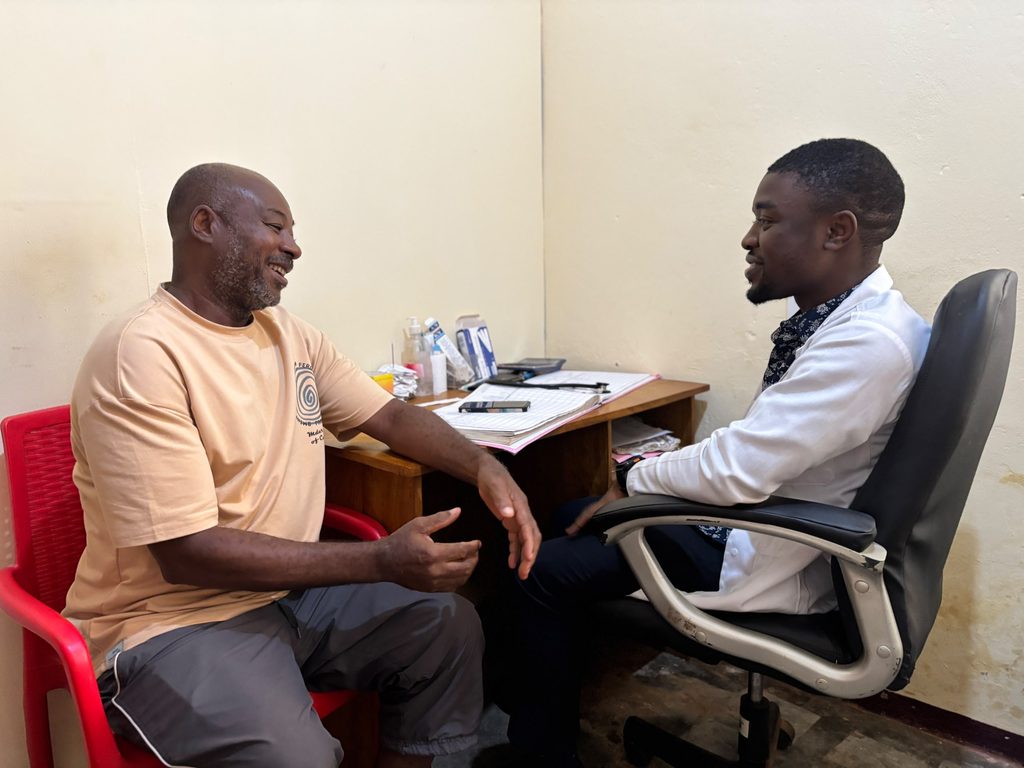
“Whether you are young or old, go for check-ups. Know your status. The earlier you know, the better. Don’t joke with your health.”
Early Detection of Diabetes Saves Lives
That Friday morning at Etoug-Ebe Baptist Hospital reminded me of something simple yet profound: diabetes does not knock before it enters your life. It creeps in silently, sometimes hidden behind thirst, fatigue, or stress.
But the message from both Dr. Ngole Neri and Barnabas Mbangoko is that awareness, prevention, and early detection of diabetes and hypertension can save lives.
A blood sugar test today could be the difference between a manageable condition and a life-threatening crisis tomorrow.
Laisser un commentaire