C’était ce vendredi 12 juin 2026 à Mimetala, dans l’arrondissement de Mfou, département de la Mefou et Afamba dans le Centre.
Au total, deux maisons de retraite ont reçu la visite de la délégation du ministère des Affaires sociales menée par la Secrétaire générale de ce ministère, Panje Beryl Itoh, représentante de la ministre. Il s’agit du « Foyer Sainte Louise de Marillac » et de « La Maison de Nazareth ».
Promouvoir la solidarité intergénérationnelle
Cette visite qui intervient en prélude à la célébration de la Journée Mondiale de Sensibilisation contre la Maltraitance des Personnes Agées, édition 2026, prévue le 15 juin, a permis à la représentante de la ministre des Affaires sociales, de souligner l’importance de protéger les droits de ces personnes du troisième âge. « Les personnes âgées avec leur sagesse et leur expérience ont contribué énormément au développement de notre société », a-t-elle rappelé. D’où, selon elle, la nécessité d’une solidarité intergénérationnelle, afin qu’elles sachent qu’elles n’ont pas été abandonnées.
Une solidarité qui s’est notamment traduite par la remise des dons de natures diverses dans ces lieux de repos, en présence des autorités administratives, traditionnelles et religieuses locales. « Ces cadeaux expriment déjà l’attachement que le ministère a envers les personnes vulnérables et les personnes âgées », a fait remarquer Sœur Régine Cyrille Ngono Bounoungou, Supérieure générale des filles de Marie, responsables de « La Maison de Nazareth », l’une des maisons visitées. La religieuse a, en outre, saisi l’occasion pour émettre le vœu que se poursuivent de telles attentions de l’Etat à leur égard.
Prévenir les maltraitances
Célébrée chaque année le 15 juin, la Journée mondiale de sensibilisation à la maltraitance des personnes âgées se célèbre cette année 2026 sous le thème : « Au-delà de la sensibilisation : faire en sorte que la prévention de la maltraitance des personnes âgées fonctionne ». Elle a été instituée par les Nations Unies, afin de briser le silence autour de cette question de santé publique et promouvoir les droits et le bien-être des aînés.
Cameroon organized its maiden HIV, TB and malaria Open-Door Day in the capital, Yaoundé, on June 18, to showcase Global Fund-sponsored health projects in the country.
The country’s Public Health Minister, Dr. Manaouda Malachie, representing the Prime Minister, Joseph Dion Ngute, chaired the event themed, “Performance and Accountability: The Key Results of the Global Fund’s Financing and the Expertise France Initiative against Malaria, HIV/AIDS and Tuberculosis in Cameroon.”
“We organized this day to amplify sensitization and advocacy. We want to get everyone involved. It will no longer be a single actor fighting against these diseases, but the entire national and international community. We are calling on communities, parliamentarians, institutions, and the private and public sectors to mobilize to fight these diseases.”
As external funding dwindles, the government of Cameroon is exploring other funding alternatives to continue the HIV/TB and malaria elimination agenda.
Government members, health organizations, civil society organizations and community health organizations turned up for the event to commend the Global Fund’s over 15 years commitment to saving lives in the country.
HIV, TB and Malaria Prevalence
According to the 2024 Population-Based HIV Impact Assessment (CamPHIA) 2024/2025 report, 509,766 people in Cameroon are HIV positive. This figure represents a 2.6% prevalence rate.
The National Malaria Control Programme(NMCP) recorded 2,943,674 malaria cases in 2025, alongside 1,261 deaths, 909 of them children under five. Malaria remains a public health concern in the country, and Cameroon is the 11th country most affected by the disease worldwide.
Tuberculosis data shows that 38,472 cases, about 132 infections per 100,000 people, were recorded in the country in 2024. The mortality rate linked to TB is 17 per 100,000 people.
Spin-Offs of the Global Fund’s Grants in Cameroon
The Global Fund began financing public health programmes to combat HIV, TB and malaria in Cameroon in December 2004. Since then, the international health organization has remained committed to strengthening the health system, helping vulnerable populations and partnering with community leaders to address health problems.
Saving lives and preventing infections in Cameroon has costed the Global Fund an estimated 750 billions FCFA for HIV, TB and malaria control . This amount is stratified as follows: HIV/AIDS, 418 billion FCFA; tuberculosis, 42 billion FCFA; HIV/TB co-infection, 39 billion FCFA; and malaria, 270 billion FCFA.
According to the Ministry of Public Health, this investment has enabled the procurement of antiretroviral drugs for about 450,000 persons with living with HIV, provided treatment for close to 30,000 TB patients, and facilitated the distribution of insecticide-treated bed nets (ITNs) distributed to about 890,000 homes.
In addition to this are related projects sponsored by « Expertise France », particularly “Equité Access Palu,” carried out by Impact Santé Afrique, the secretariat for the Global Fund Advocates Network (GFAN) and the Civil Society for Malaria Elimination (CS4ME). The “Equité Access Palu,” is aimed at streamlining inequalities in access to malaria prevention and treatment, especially in vulnerable communities.
“We were able to distribute mosquito nets to orphanages in Cameroon, empower community leaders to eliminate malaria, and break gender barriers regarding the fight against malaria,” Amélie Claire MedjouKeng, gender expert at Impact Santé Afrique, told CRTV Web.
Another key actor of the national response to HIV, TB and malaria is Expertise France. Expertise France has been instrumental in strengthening health systems and fighting HIV/AIDS, tuberculosis (TB), and malaria in Cameroon. The regional health adviser at Expertise France, Prof. Christophe Vanhecke, presented a report on his country’s investment in health projects in Cameroon during the inaugural HIV, TB and malaria Open-Door Day in Yaoundé. He stated that Expertise France remains dedicated to financing ongoing health infrastructure and projects in Cameroon. »
“France is the second historic partner of the Global Fund and spent over 1.6 billion euros for the 7th Global Fund cycle . The current international context no longer permits such investments to be made. France has made a commitment of 660million euros for the 8th replenishment of the Global Fund, and we are still among the big sponsors,” Prof. Christophe Vanhecke, regional health adviser at « Expertise France », said.
The Global Fund to Fight AIDS, Tuberculosis and Malaria remains one of the principal donors to Cameroon’s national response . For the current funding cycle, the Fund has allocated about 205,149,000 euros, approximately 134 billion FCFA to the country’s national programme.
Thirty -Six year old Kombou Tchapnda Ferdinand Martial, had a life time worth of praises showered on him at the World Blood Donor Day event in Yaoundé-Cameroon, on June 14, organized by the National Blood Transfusion Service (NBTS).
The Gold Donor made his first blood donation at 17, a high student at the Government Bilingual High School Etoug Ebe, about 19 years back. That initial act would become a lifetime commitment to saving lives and supporting health systems via blood donation.
Over the years, Kombou Tchapnda has stayed faithful to this course, churning out over 22.000 milliliters of blood to save the lives of children suffering from anemia, accident victims, cancer patients, pregnant women and other persons, often in need of blood transfusion.
Helping a Stranger
Blood donation is still a far-fetched practice for a vast majority of Cameroonians. People are often quick to donate blood when a close relative is in need, than for the common good. This is why blood donation in the country is scaling rather slowly. According to the National Blood Transfusion Service(NBTS), barely 187,224 pints of blood were collected in 2025, representing 47% of the country’s blood needs. This leaves blood demands from hospitals superior to an insufficient supply of blood .
The avid blood donor understood this reality too soon, and embarked on a mission to reverse the trend of blood shortages. Kombou Tchapnda says he wanted to donate blood for just anyone in need regardless of their personality or family history.
« I became a blood donor because I wanted to help end family blood donor replacement. I didn’t just want to give blood to someone I knew, but to someone I did not know, » he told CRTV Web.
After crossing the 50 blood donation threshold, the humanity hero says he has lost count of how many blood donations he has made. His main goal now is raising awareness about the ever-present need for blood donations.
» I stopped keeping score on how many times I have donated blood. What is important to me now is fighting the mindset that blood is sold in hospitals. There are many things people need to understand. »
« Blood is not Sold »
The growing reticence around blood donation in Cameroon is fueled by one of the most preoccupying beliefs that blood is sold in hospitals.
Hospitals often require two replacement donors, and charge a fee of about 50,000FCFA per pint of blood often from the blood bank. Health experts say one of the replacement donors could be disqualified because of health conditions, while the 50,000FCFA covers operational and biological procedures for the blood collected.
« We don’t find blood in pharmacies, so it is not sold. Blood banks are filled with donations from people. We can all donate blood once in three months for men and once in four months for women, he said.
On World Blood Donor Day, he makes a clarion call for everyone to take a commitment to regularly donate blood in order to prevent the loads of problems that come with blood shortages in hospitals.
He says the operational and biological costs for a pint of blood costs almost a 100,000FCFA, and what the patient pays is only a contribution to the subsidization costs the government is shouldering.
The 50-times blood donor was among voluntary non-remunerated blood donors in #Cameroon honored on World Blood Day at a ceremony in Yaoundé. In attendance was the Director of Pharmacy, Drugs and Laboratories, Yaba Dana Basil, representing the Minister of Public Health, and Dr. Douba, representing the World Health Organization .
Cameroonians for the most part took position in public place and in small groups to experience the history making moment in World Cup.
For the first time since the inception of the competition three opening ceremonies took place 90 minutes before opening games in each of the host countries: Mexico, Canada and the United States of America.
The event unfolded over two days. In Mexico City where the Kick off the tournament was given, Mexico City Stadium (Estadio Azteca) local tradition was celebrated in choreographic dance steps to the rhythm of cultural music. Renown artists like Shakira and Nigerian International Afrobeat Star musician, Burna Boy, who sang the official tournament anthem « Dai Dai » made the opening ceremony even more electric.
In Canada, the event was in Toronto, at the BMO Field. The celebration highlighted the cultural mosaics of the country artists, including Alanis Morissette and Michael Bublé, alongside Jessie Reyez and Alessia Cara thrilling fans.
In the United States of America, the stage was set at the Los Angeles Stadium. On the podium where Katy Perry, Future, Anitta, and LISA.
Though thousand of kilometers away Cameroon enjoyed the moment via the screens.
In Yaounde, city dwellers are enjoying the great start of the world football bonanza in their spaces of comfort. Some are savouring a drink in company of others while discussing on the game as Mexico hosts South Africa at the Estadio Azteca.
Mexico has hosted the FIFA Men’s World Cup a record three times. They initially staged the tournament in 1970 and 1986, and are currently hosting it once again as a co-host alongside the United States and Canada in 2026.
At the close of Day 23, a total of 4 wins, 5 losses, and 1 draw were recorded.
Panthère Sportive du Ndé sits mid-table and is expected to face Dynamo of Douala on Match Day 24.
Dynamo of Douala has boosted their survival hopes with a 2-1 win over Coton Sport on Match Day 23.
The Douala based team has been positioning themselves as one of the forces to reckon with since the start of the second half of the season.
The team has been putting in a string of top-notch performances, With 9 wins and 1 draw.
Aigle Royal of Menoua defeated Gazelle Football Academy by 1-0
AS Fortuna had a 1-1 draw with PWD of Bamenda
Victoria United of Limbe defeated Panthère Sportive of Nde 2 goals to 1.
Meanwhile Stade Renard of Melong was defeated by leaders Unisport by 2-1
Colombe thrashed Canon One goal to zero.
Aigle Royal du Moungo humbled Fauve Azur 3 goals to 2.
Match Day 23 of the MTN Elite One Championship reshared the cards and all teams are bracing up and revising their notes in order to pick up at least a point in the next encounter.
Face à l’explosion des cas de cancer dans le monde et au Cameroun, l’Hôpital Central de Yaoundé (HCY) a réuni la communauté scientifique les 10 et 11 juin 2026. Objectif de ce symposium : démystifier la chimiothérapie, faire l’état des lieux de la prise en charge et tracer des pistes concrètes pour rendre les traitements plus accessibles._
L’alerte est mondiale, et les chiffres interpellent. Modéré par de grandes figures du corps médical national, le Pr Agrégé Pierre Ongolo Zogo et le Pr Arthur Essomba, le Symposium scientifique sur les actualités en chimiothérapie a d’entrée de jeu posé les jalons d’un défi sanitaire majeur.
S’appuyant sur les dernières données du Global Burden of Cancer (GLOBOCAN 2022), les experts ont rappelé que le monde enregistre chaque année 20 millions de nouveaux cas et 9,7 millions de décès. Une tragédie qui frappe de plein fouet les Pays à Revenus Faibles et Intermédiaires (PRFI), lesquels concentrent à eux seuls 55 % des malades. Selon les projections scientifiques, l’incidence du cancer devrait bondir de 77 % dans le monde d’ici 2050, et de plus de 50 % sur le continent africain à l’horizon 2040.
Le diagnostic local : la réalité épidémiologique au Cameroun Au niveau national, la courbe épidémiologique demeure tout aussi préoccupante. Le Cameroun enregistre environ 19 564 nouveaux cas de cancer par an. Le tableau clinique est dominé par les cancers du sein, du col de l’utérus et de la prostate, avec pour corollaire un problème récurrent : le diagnostic tardif à des stades déjà avancés. À l’Hôpital Central de Yaoundé, formation sanitaire de référence, la cartographie des données hospitalières met en exergue la prédominance du cancer du sein, qui arrive largement en tête des consultations :
Cancer du sein : 49 % des cas
Cancer du col utérin : 10 %
Cancer de l’ovaire : 9 %
Cancer de la prostate : 8 %
Lymphomes : 8 % La prise en charge au sein de l’institution s’avère d’autant plus complexe que les équipes médicales doivent gérer de lourds antécédents. Près de 18 % des patients admis présentent un passé chirurgical, souvent associé à des comorbidités majeures : le diabète et l’Hypertension Artérielle (HTA) se hissent à 6,6 % chacun, suivis de l’infection au VIH (4,8 %) et de l’Hépatite Virale C (1,8 %).
L’offensive thérapeutique : l’innovation technologique au service des patients Face à la pression hospitalière et à la hausse exponentielle des demandes d’examens d’imagerie, la communauté scientifique camerounaise sonne la révolte par l’innovation. Le symposium a mis en vitrine les avancées diagnostiques désormais incontournables disponibles dans nos hôpitaux, à l’instar de l’immunohistochimie et de la biologie moléculaire. Sur le plan des traitements, l’offre se modernise radicalement avec l’introduction des thérapies ciblées, de l’immunothérapie et de la radiothérapie. En matière chirurgicale, l’Hôpital Central s’arrime aux standards internationaux en privilégiant la chirurgie limitée. Des études partagées lors des travaux démontrent qu’une intervention conservatrice, adossée à une irradiation complémentaire, garantit la même efficacité thérapeutique qu’une mastectomie totale pour le cancer du sein.
La réponse institutionnelle : la stratégie du Minsanté pour l’accès aux soins Le nœud du problème restant l’accessibilité financière, les pouvoirs publics affichent leur détermination à briser la barrière des coûts. Intervenant au nom du Ministère de la Santé Publique, le Dr Zeh Kakanou a réaffirmé la volonté du gouvernement de s’attaquer de front au financement de la chimiothérapie, identifié comme le frein majeur pour les populations. Pour y parvenir, la feuille de route issue de ce symposium de Yaoundé s’articule autour de trois axes stratégiques :
La conduite de négociations fermes sur les prix avec les firmes pharmaceutiques internationales ;
Le renforcement structurel de la chaîne d’approvisionnement pour sécuriser la disponibilité des médicaments anticancéreux ;
Le développement continu et la mise à niveau des services d’oncologie dans les hôpitaux de référence du pays.
La cérémonie d’ouverture du festival Mbidambani a eu lieu ce 11 juin 2026 au musée ethnographique de Yaoundé.
Placé sous le signe de la transmission, l’événement a démarré par l’ouverture des jeux patrimoniaux sur le thème “Contexte, Pratique et Actualité” : danses traditionnelles, rites patrimoniaux et concours de déclamation généalogique. Ce vendredi sera marquée par une Table Ronde “Jeunesse et préservation des savoirs ancestraux”, une visite guidée du Musée Ethnographique, puis un défilé de mode traditionnel «Elerengueng», mettant en valeur les symboles des clans Mbidambani et l’élection de Miss #Mbidambani.
La journée se clôt par une soirée hommage aux pionniers, un dîner des hôtes et des séances thérapeutiques et spirituelles avec cérémonie de purification “Soir au village”.
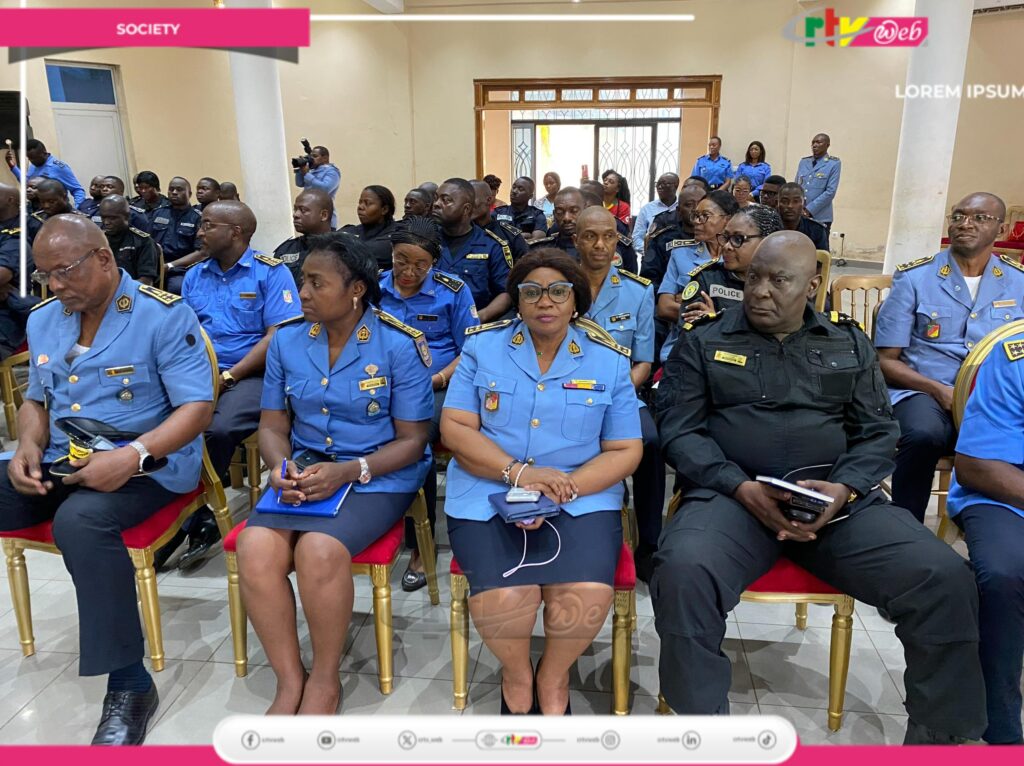
Public authorising officers and vote holders from selected ministerial departments are taking part in a three-day capacity-building workshop in Bamenda aimed at strengthening accountability and improving the management of public resources. The workshop was opened by the Minister Delegate at the Presidency in charge of the Supreme State Audit Office (CONSUPE), Mbah Acha Rose Fomundam. The training focuses on preventing irregularities, mismanagement, and financial malpractice, while promoting transparency, accountability, and sound public financial management practices.
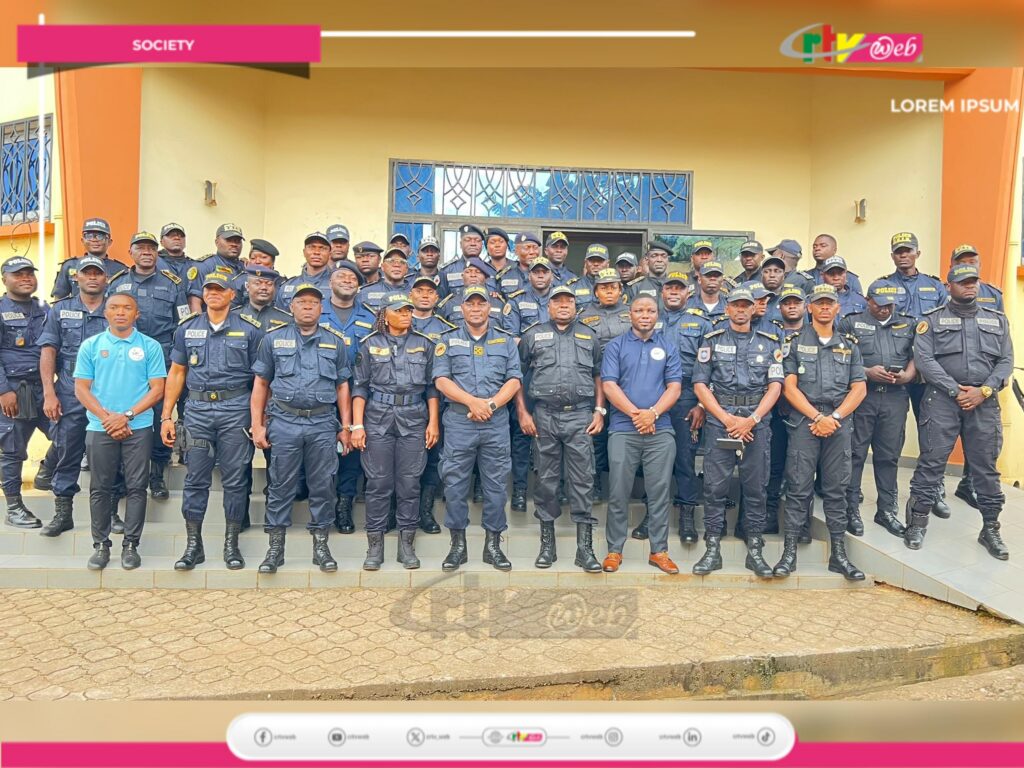
The 2026 General and Technical Probatoire examinations are progressing in a calm and orderly atmosphere across examination sub-centers in the East Region, with nearly 9,000 candidates taking part in the session. Officials of the Cameroon Baccalaureate Board have been touring examination centers to monitor the smooth conduct of the exams. Security, health, and anti-fraud measures have been reinforced to ensure the credibility and integrity of the examination process.
The final evaluation of the 2025 Regional Anti-Corruption Plan and the drafting of the 2026 Action Plan for the Adamawa Region were held in Ngaoundéré during a three-day workshop that brought together key regional stakeholders. The meeting, chaired by Dieudonné Massi Gams, President of the National Anti-Corruption Commission, in the presence of the Governor of the Adamawa Region and other officials, aimed to strengthen anti-corruption efforts across the region.